
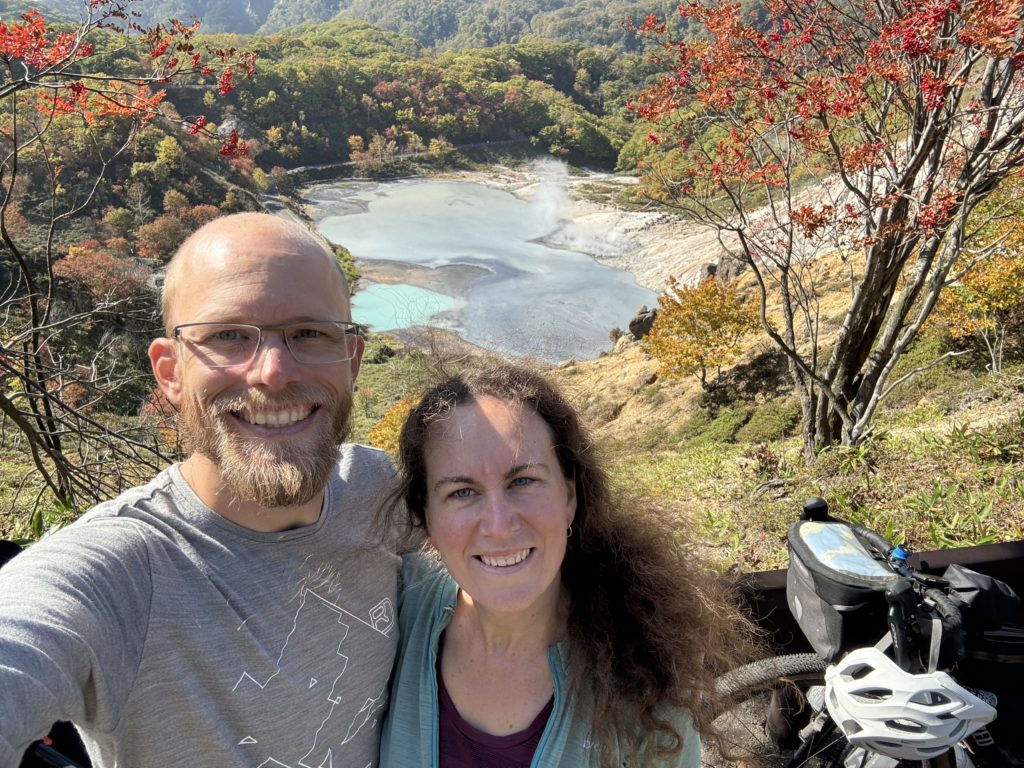
Japan, some love it. I…
Here we were, back in Japan, and with it all my bad memories of this country came back. The difficulties communicating, everything either being too loud or too still, the tiny packages of fluffy stuff and colorful jellies, squeaking adults hysterically taking pictures of every cute, pet-faced icon printed on windows, walls, or whatever. But then dare you if you’re too loud in some other places! Everyone is overly polite, I don’t understand any of it, and I feel like a bull in a china shop. Why did I want to come back here again? I had been here many years ago and still remembered my struggles then. I knew, didn’t I?
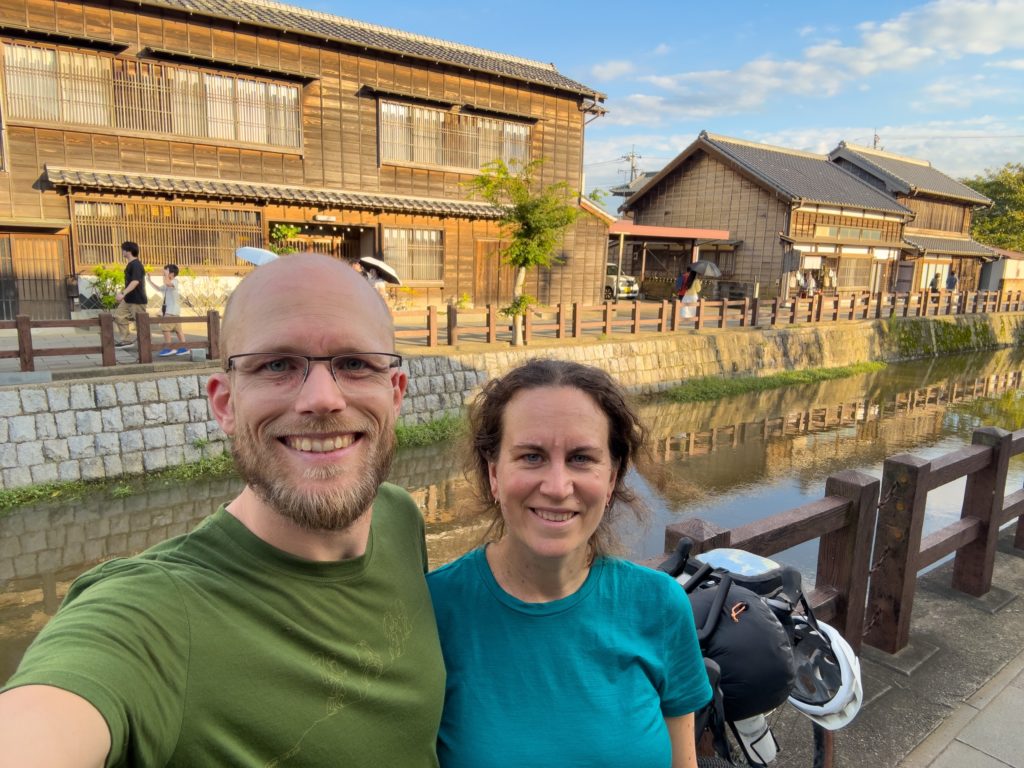
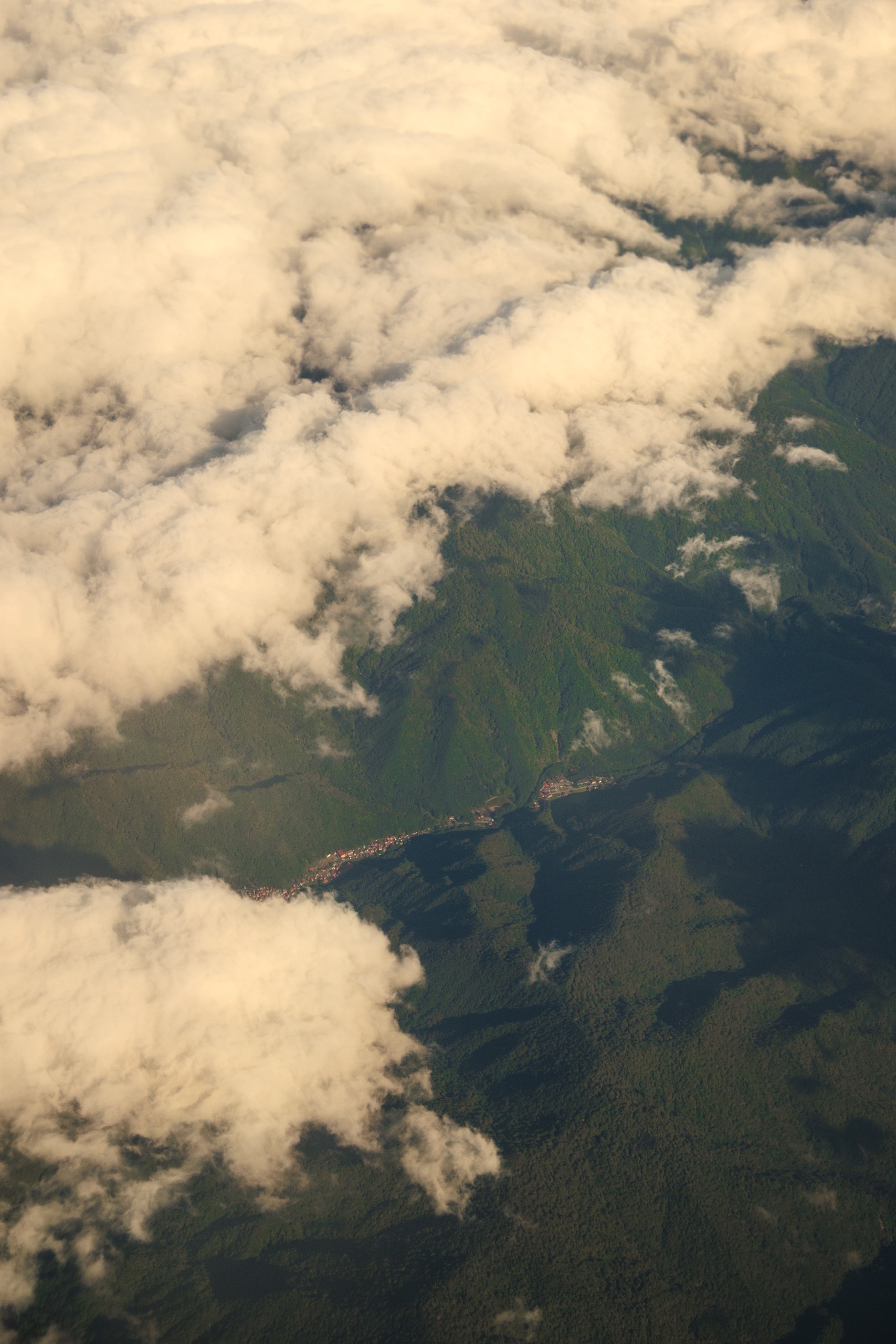
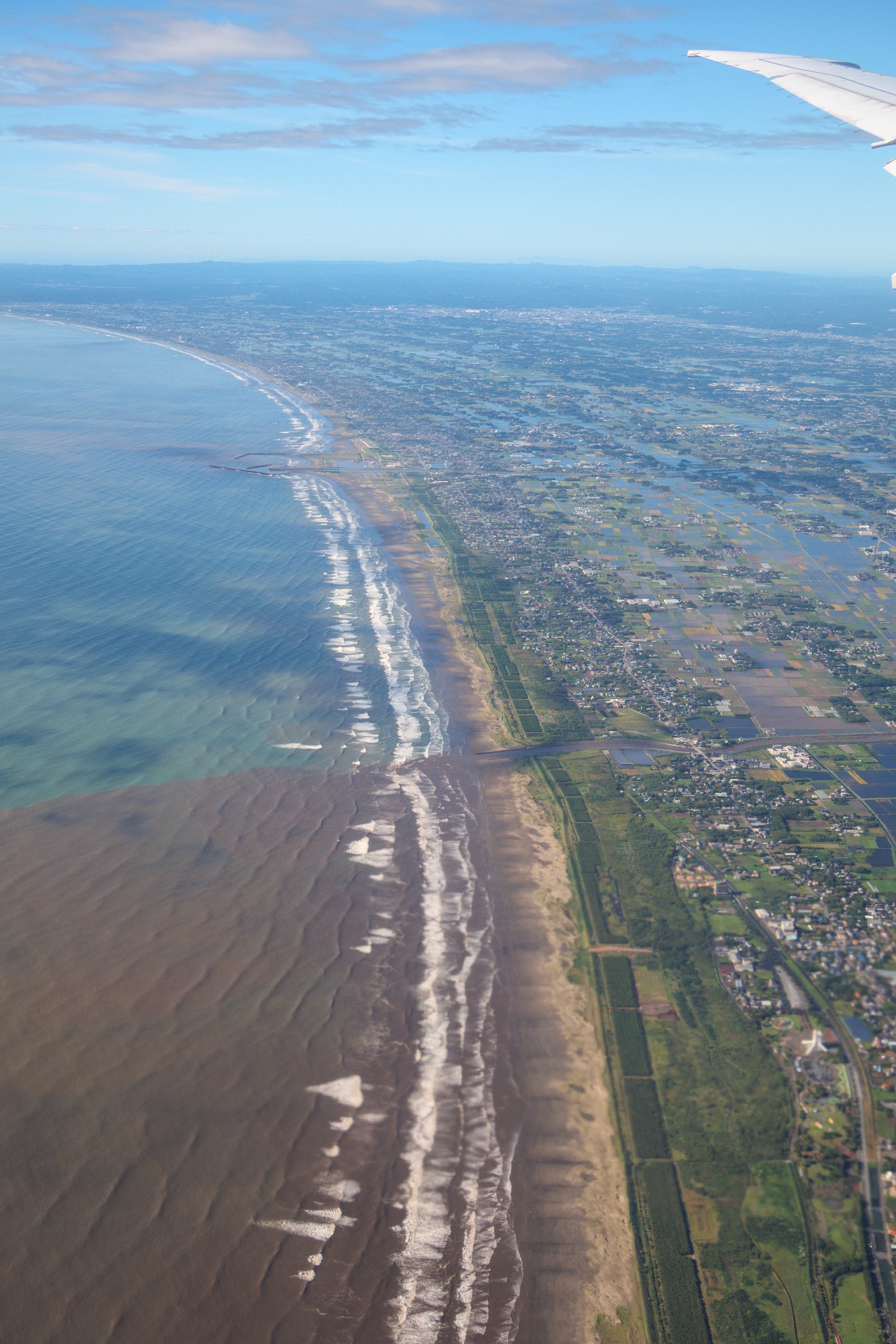
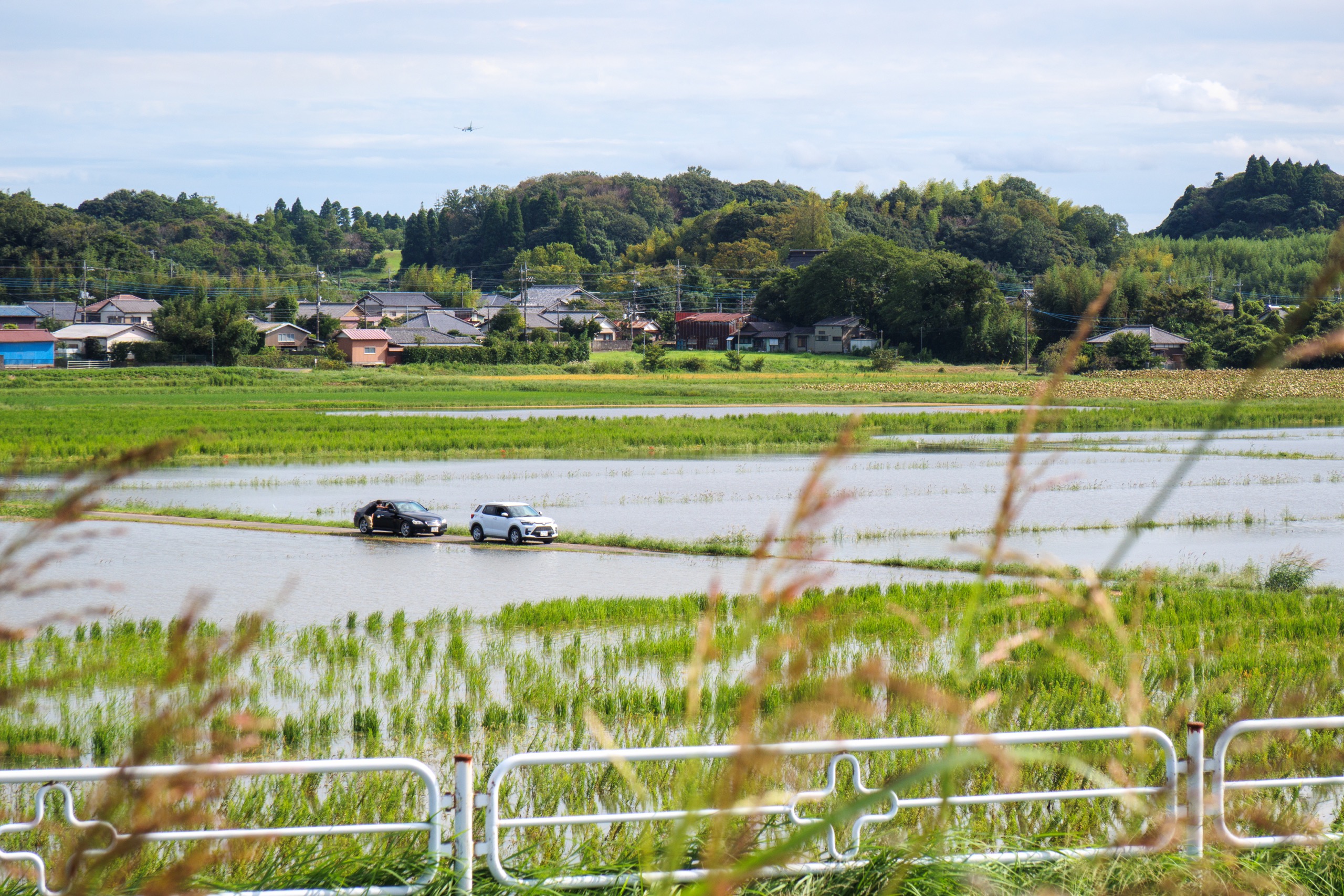
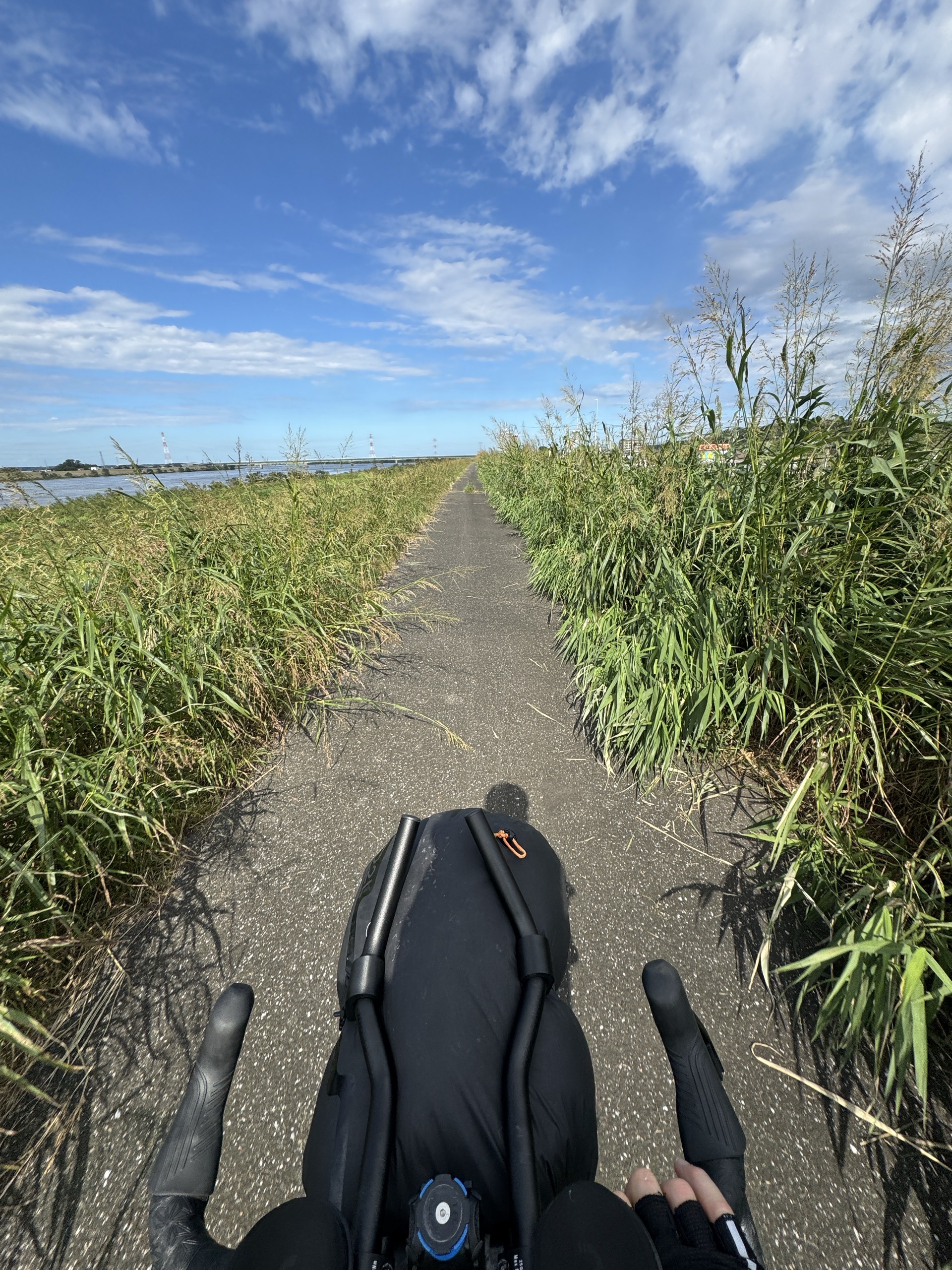
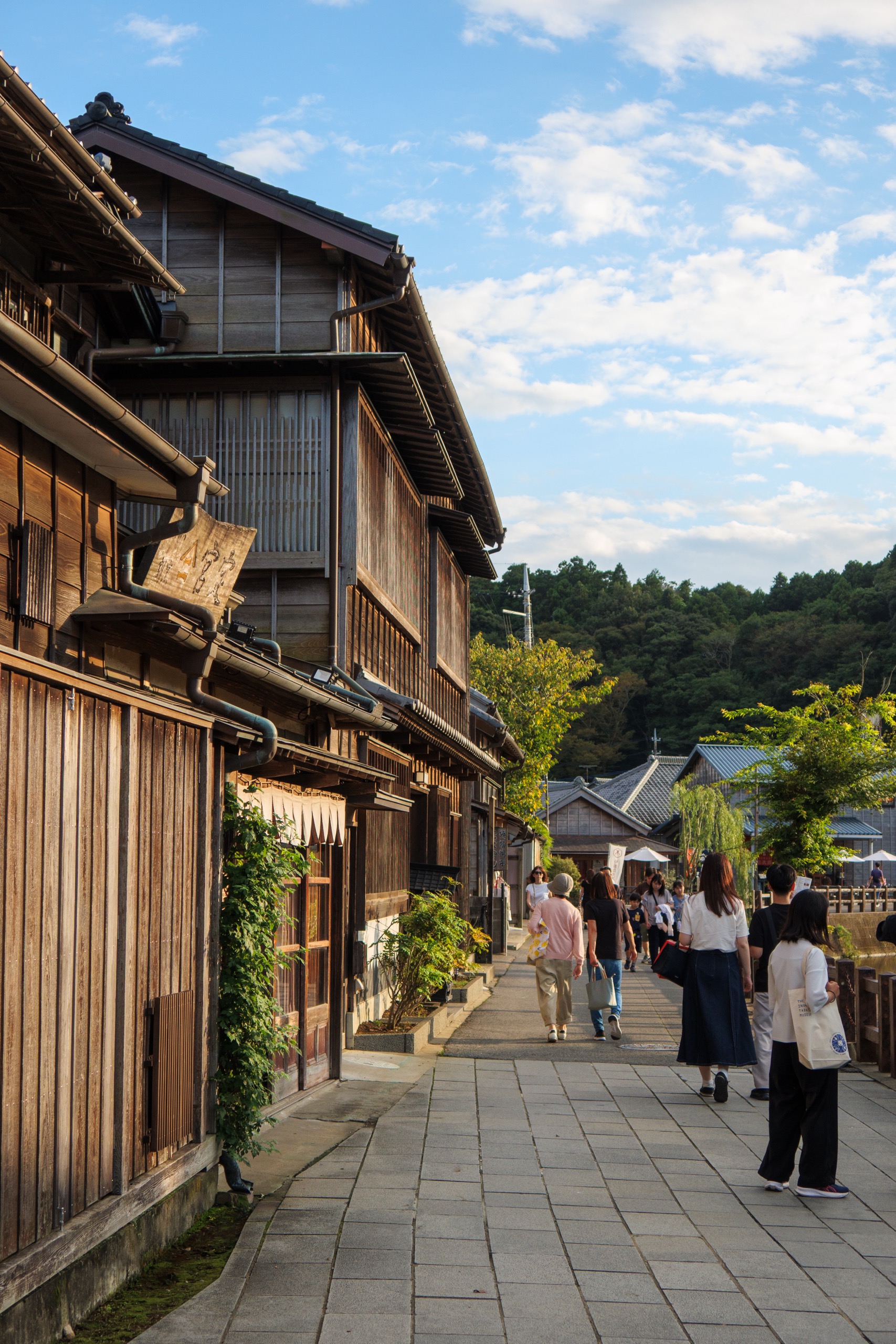
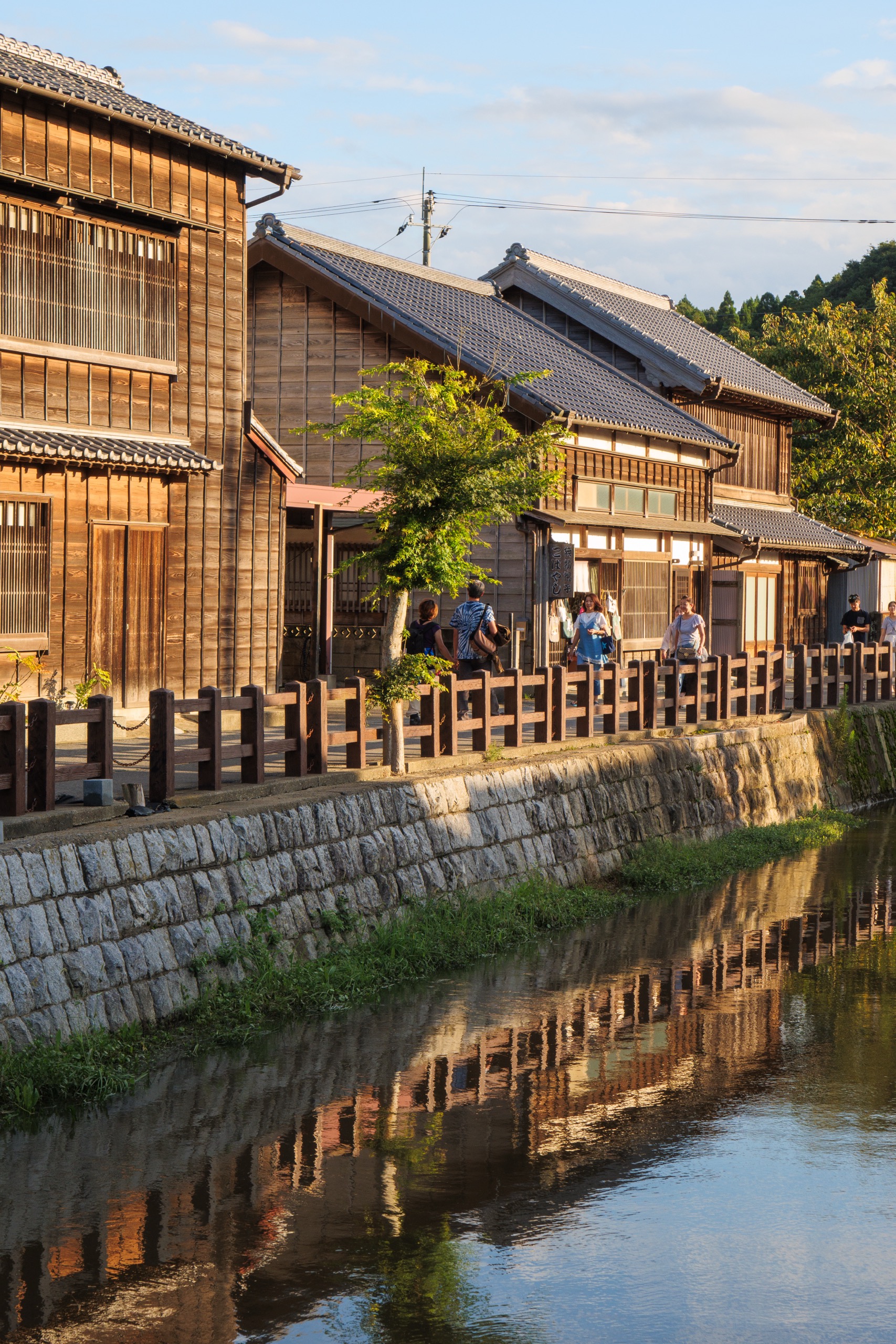
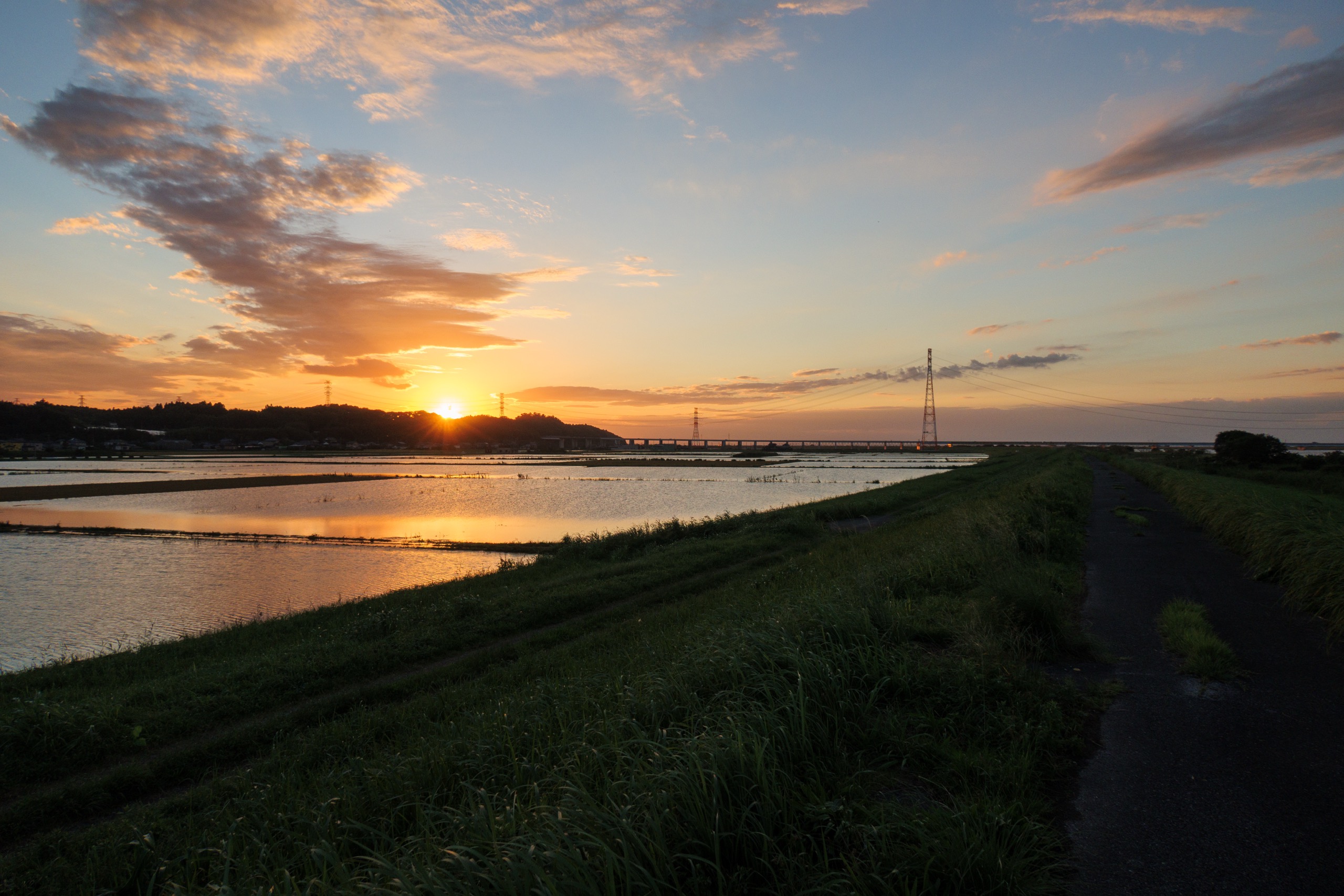
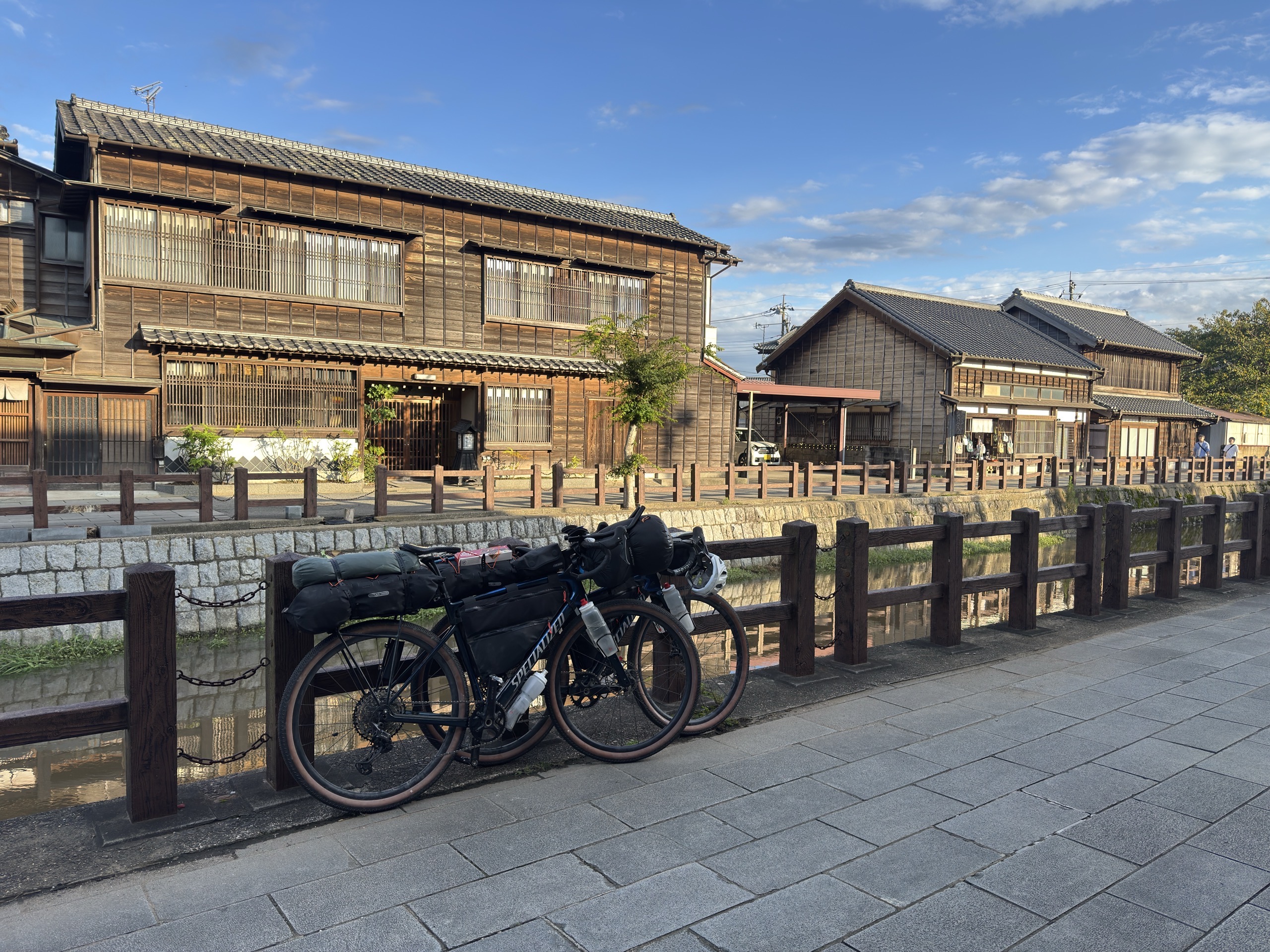
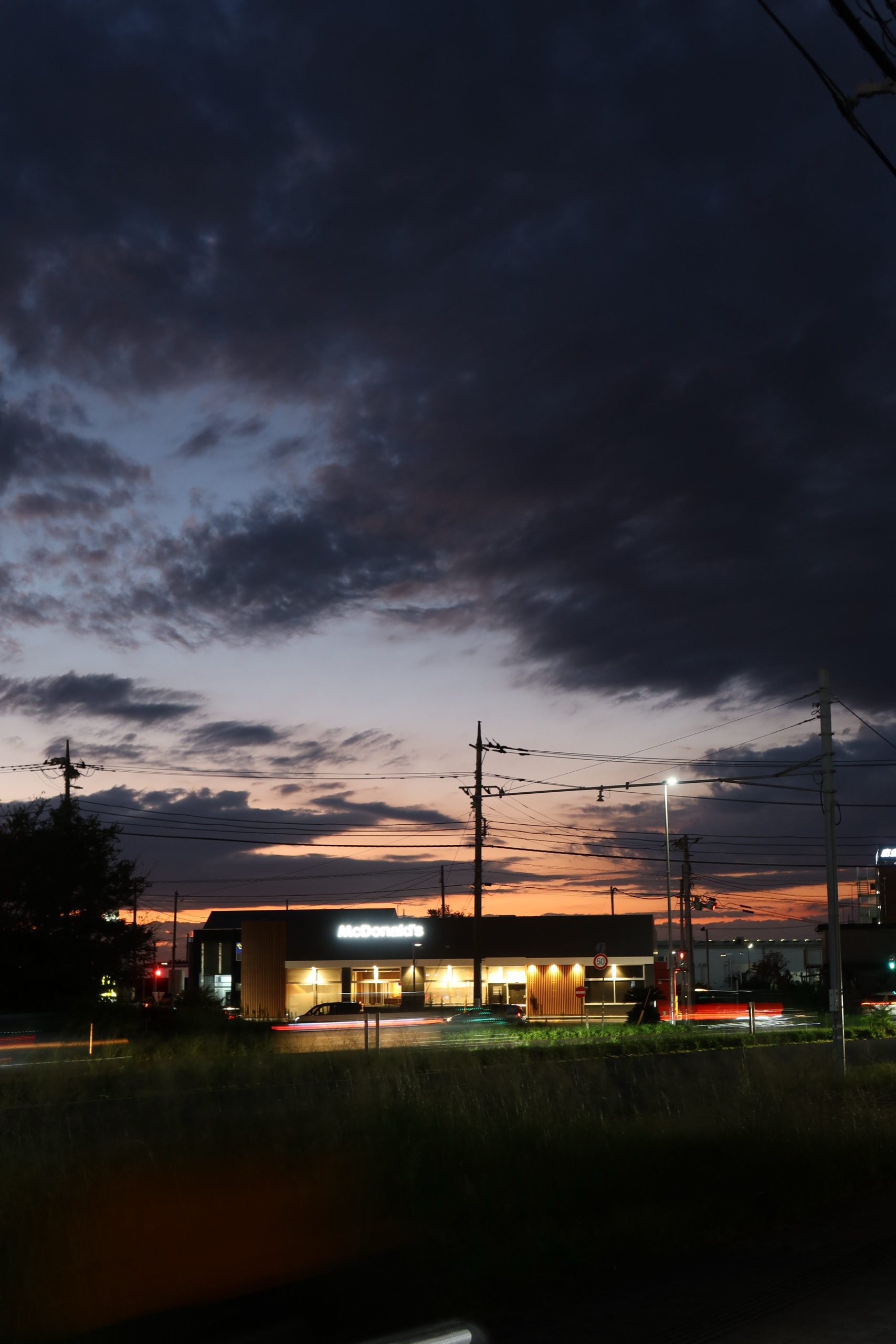
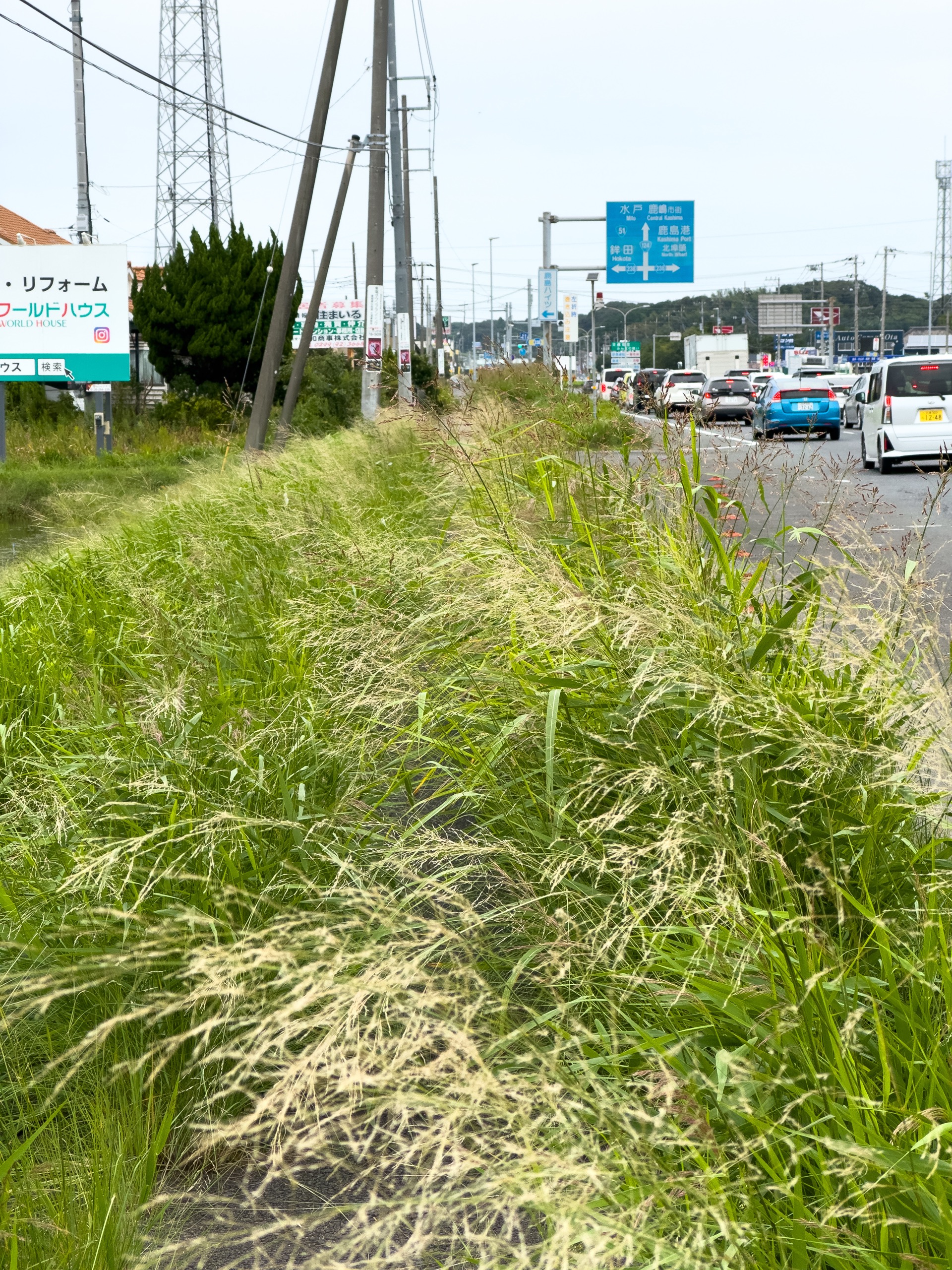
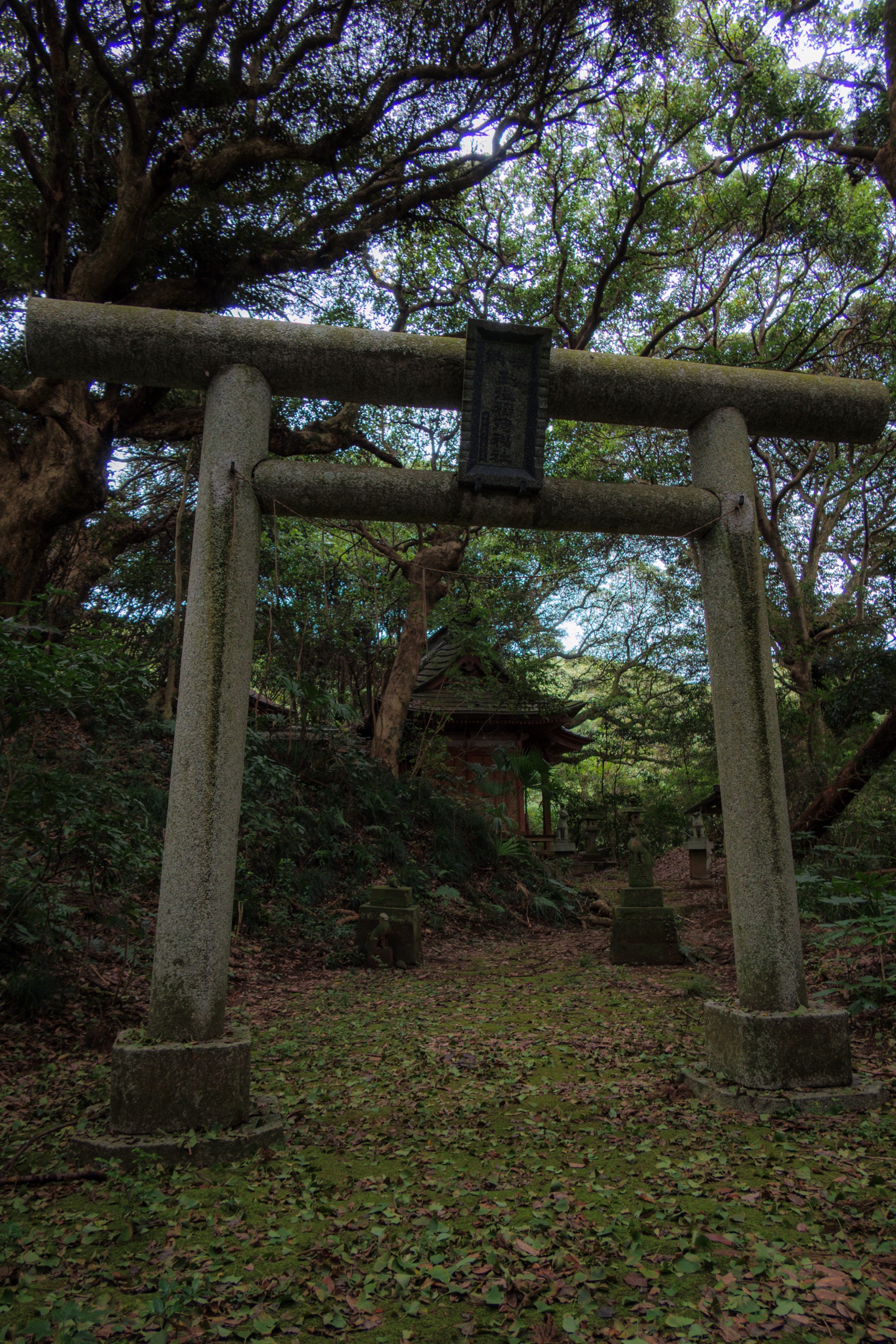
But then we are in the saddle, and I calm down again. The one thing that feels the same in any country: cycling.
And I try to remind myself that we haven’t really arrived yet. We are still sleep-deprived and exhausted, have barely landed, and are already heading north, where we want to start our journey through Japan from north to south. I remind myself that convenience stores in Europe also sell trash, and that the crowd on the ferry to Norway wasn’t exactly mine either. I know there is another side to Japan that we haven’t had time to experience yet—there must be a reason I chose to come back.
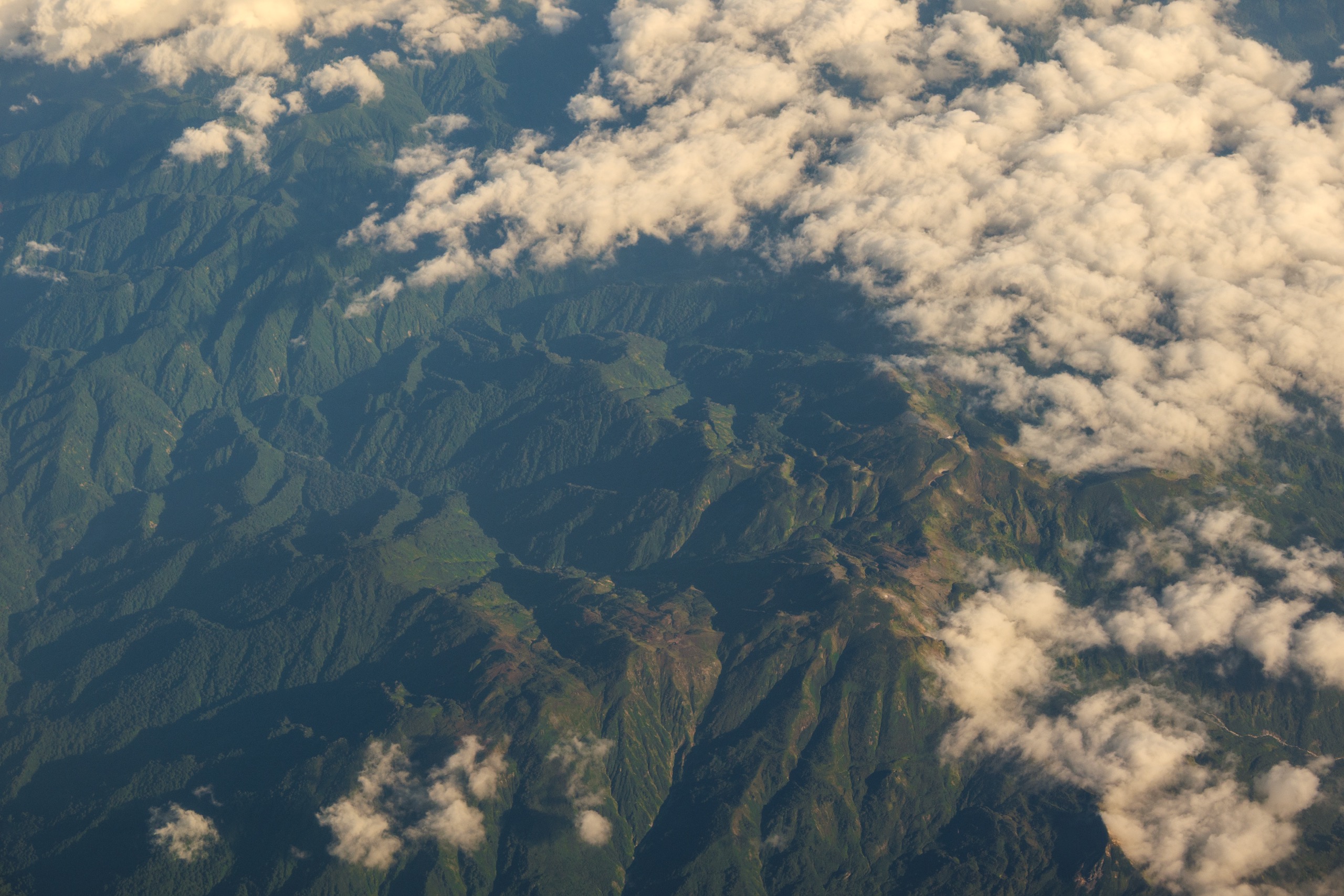
Two years ago, on our long journey from Zurich to India, we had experienced the slow changes of traveling through one country after another. This time, an airplane had simply dropped us into Japan, and somehow, while our bodies had made it here, the rest of us seemed to have been left behind.
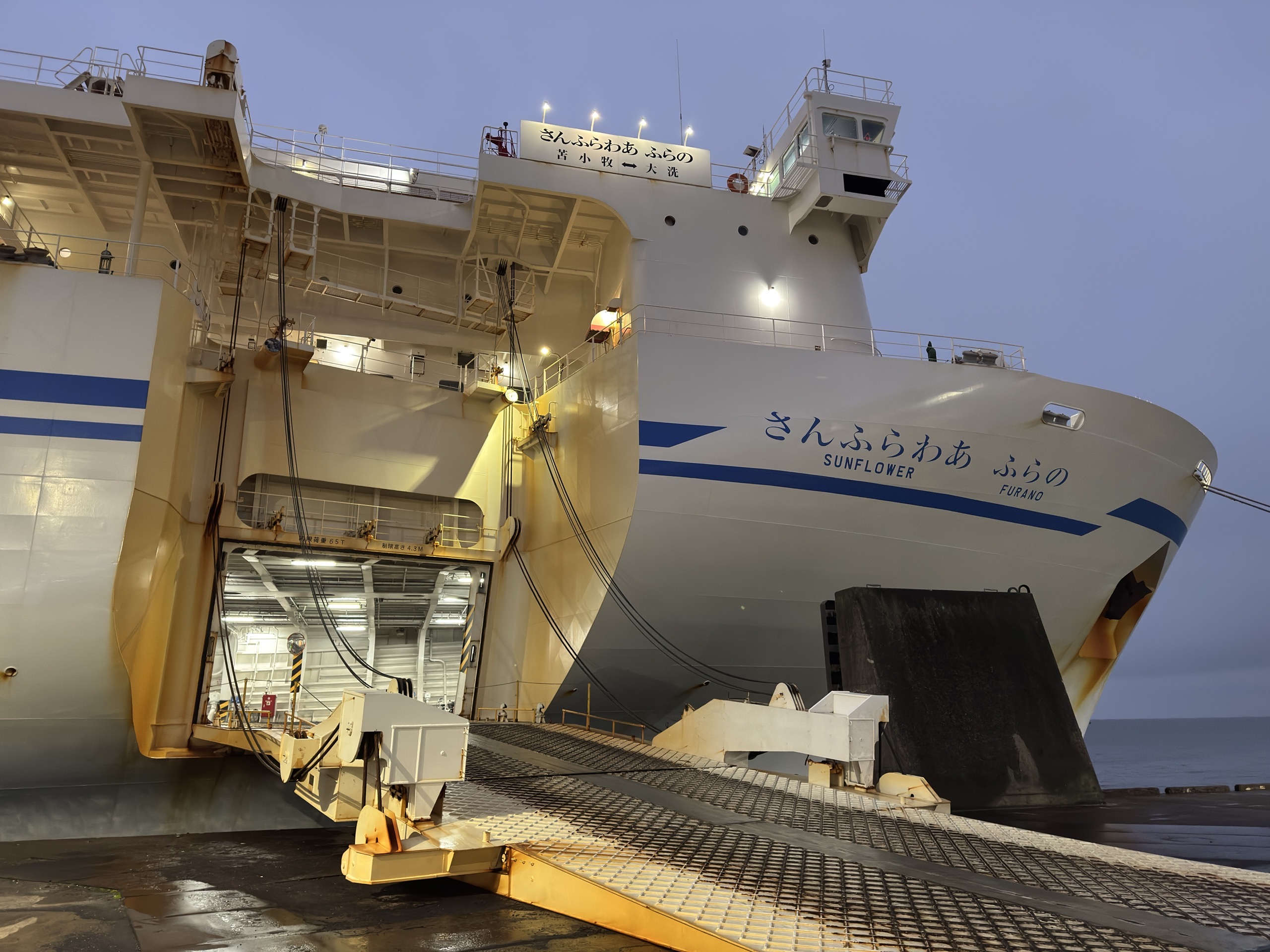
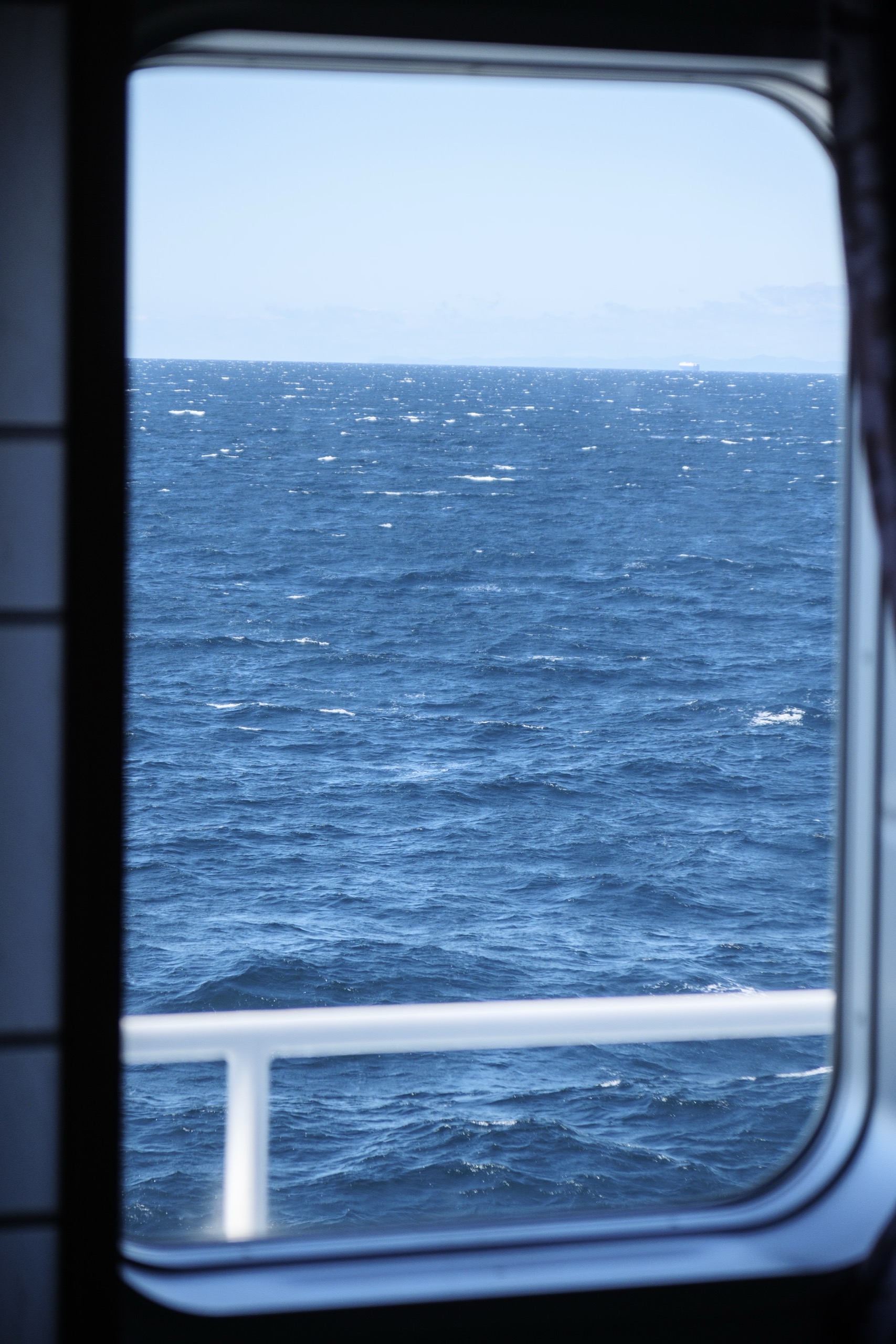
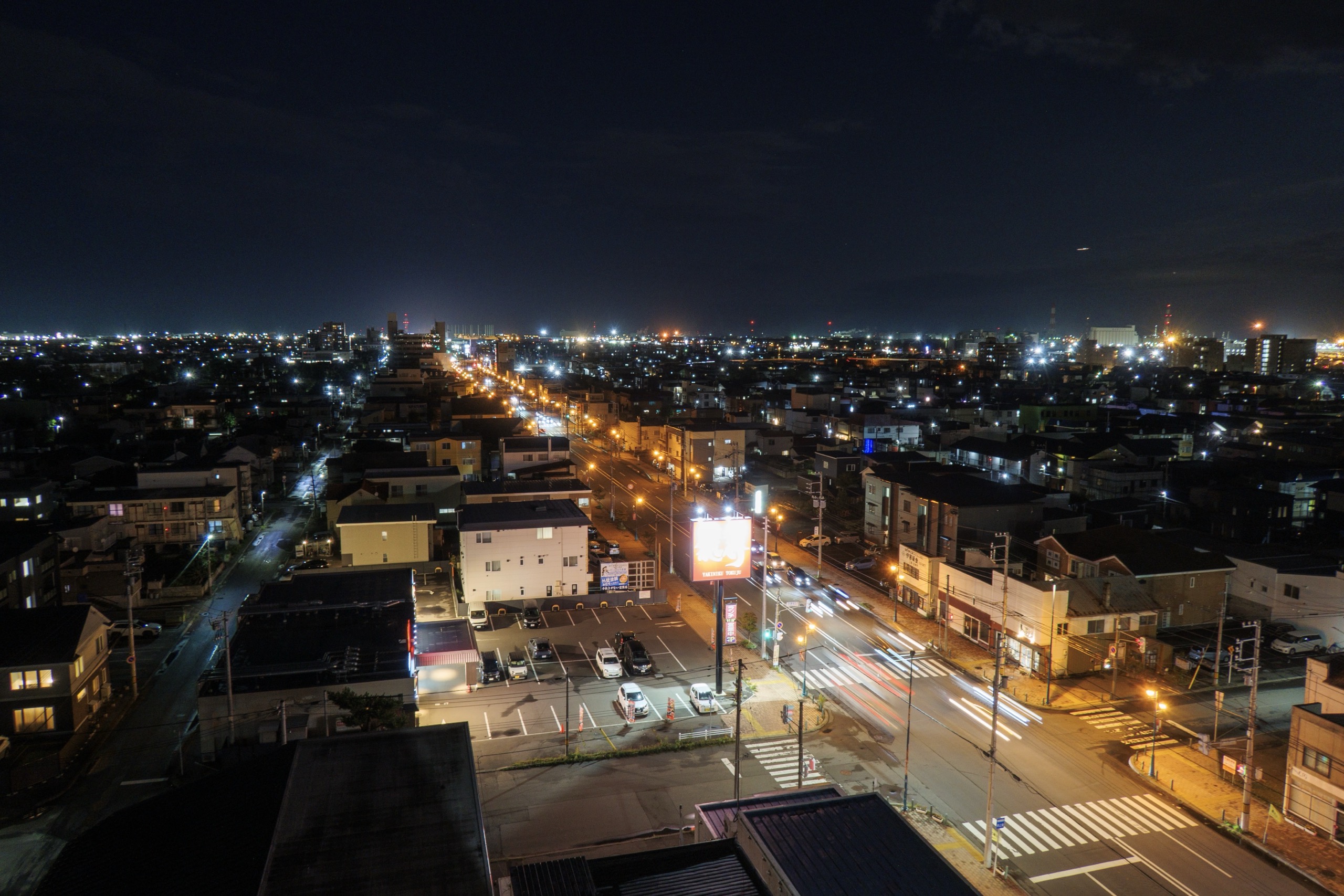
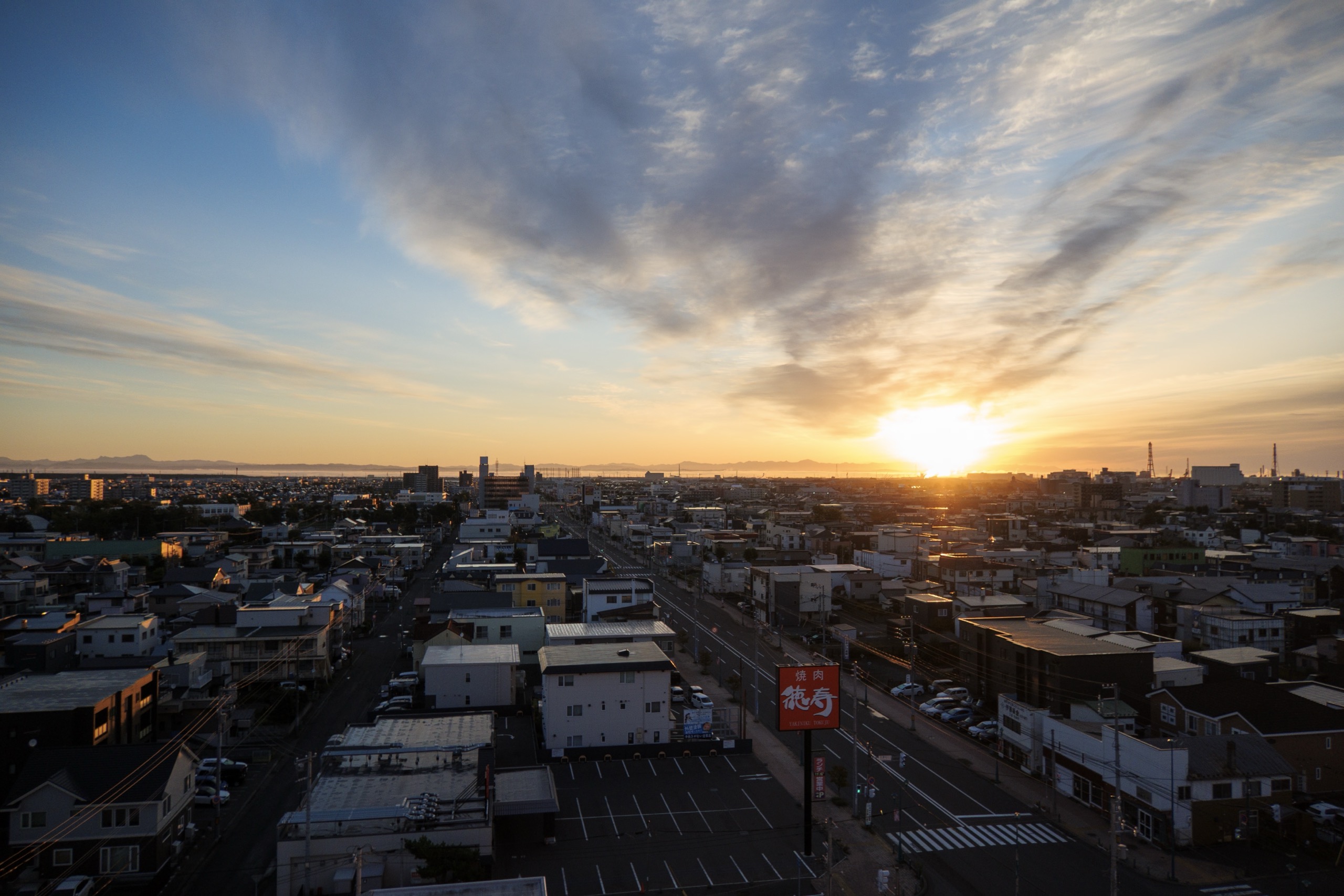
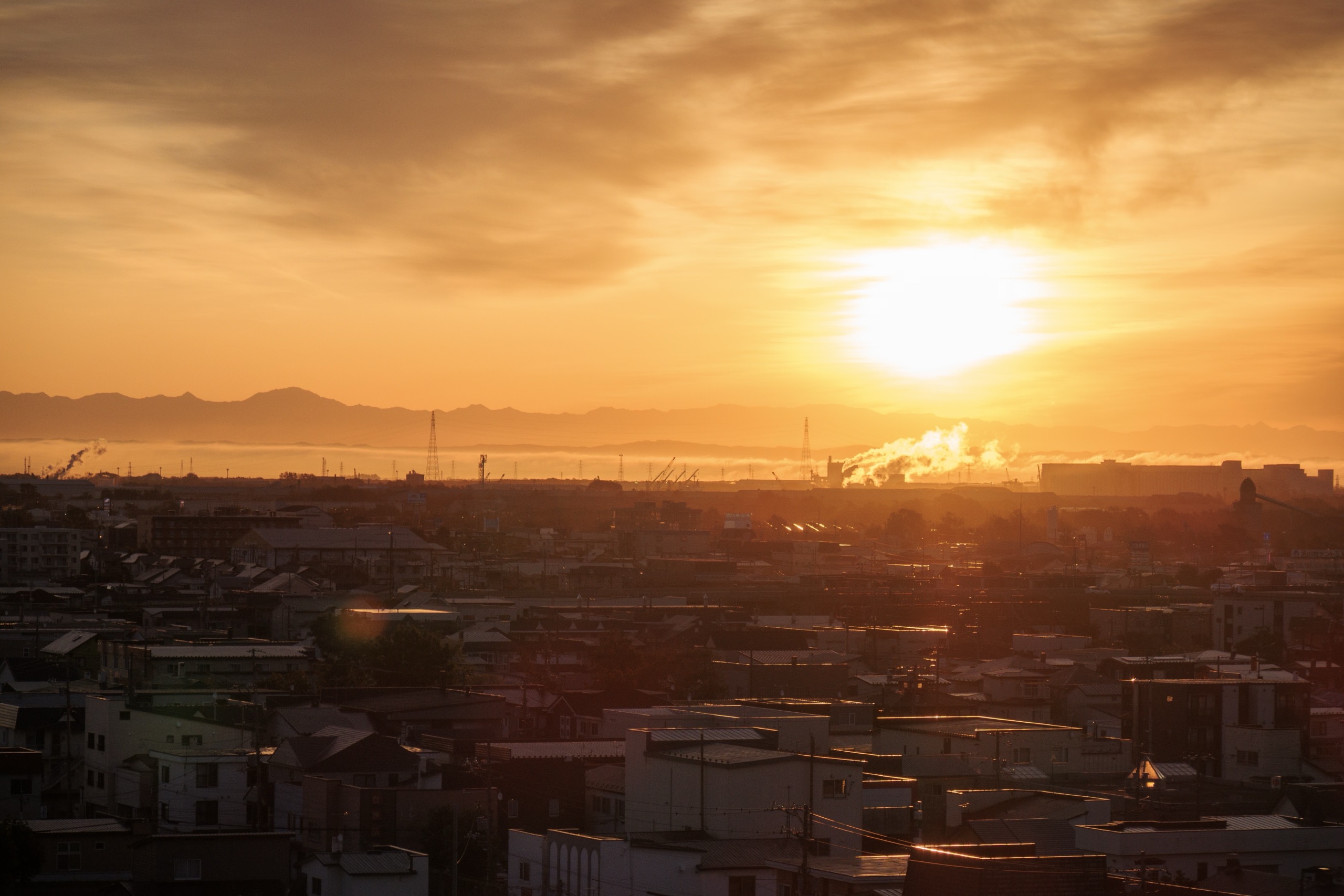
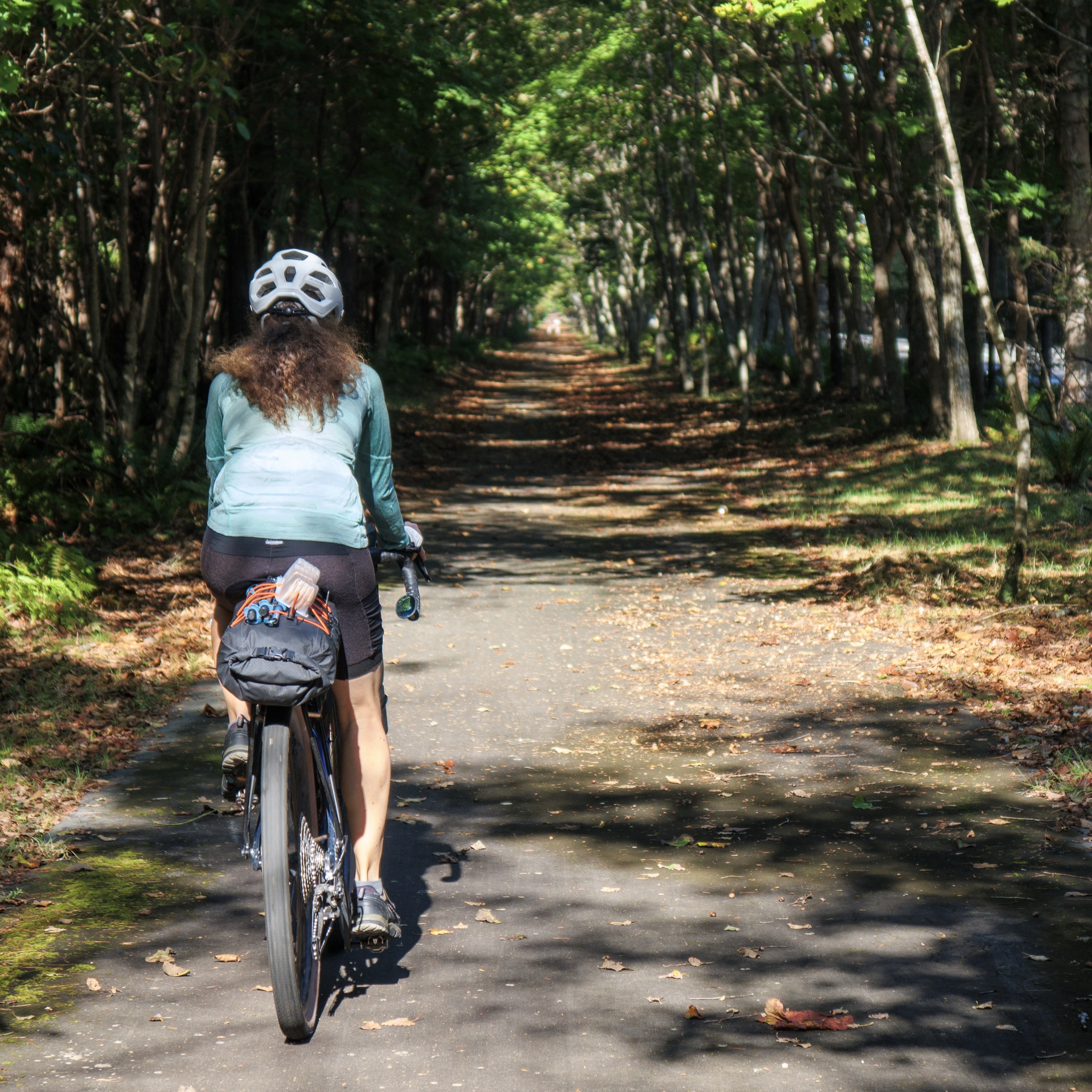
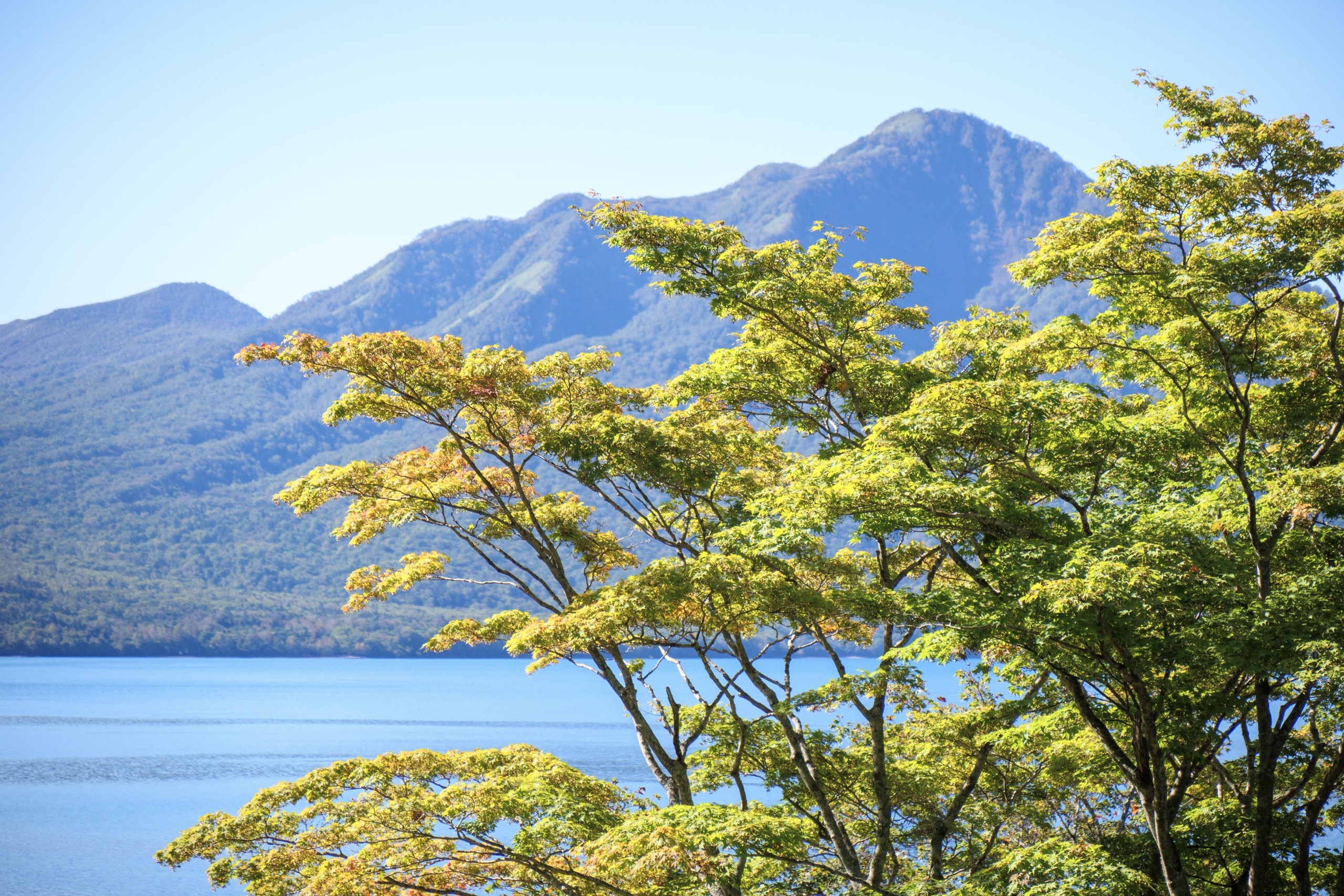
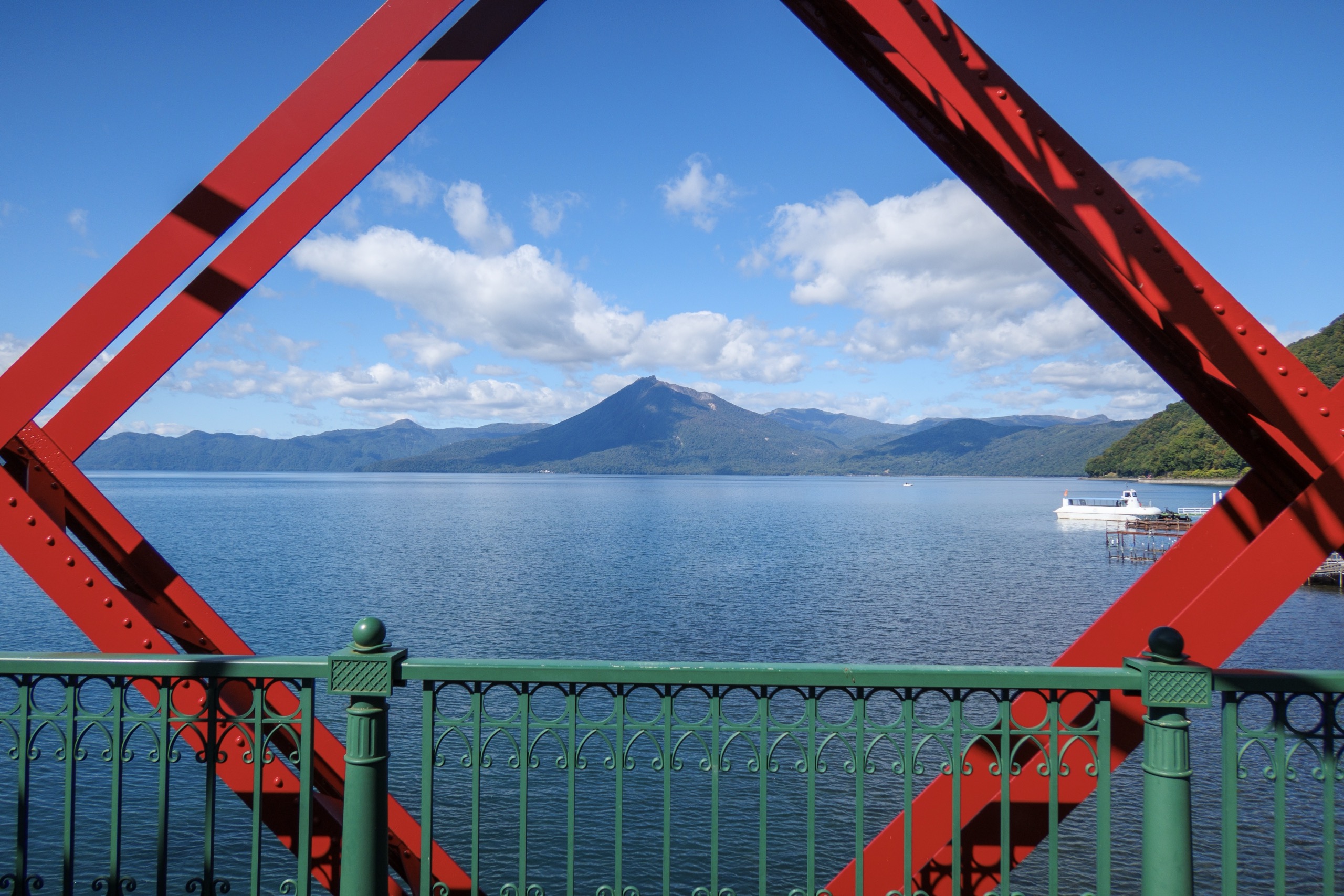
This post somehow does not come out easily. I had already sketched a rough draft during our first days in Japan, trying to describe how difficult it was to really arrive here, assuming I would soon be able to write about how we finally did.
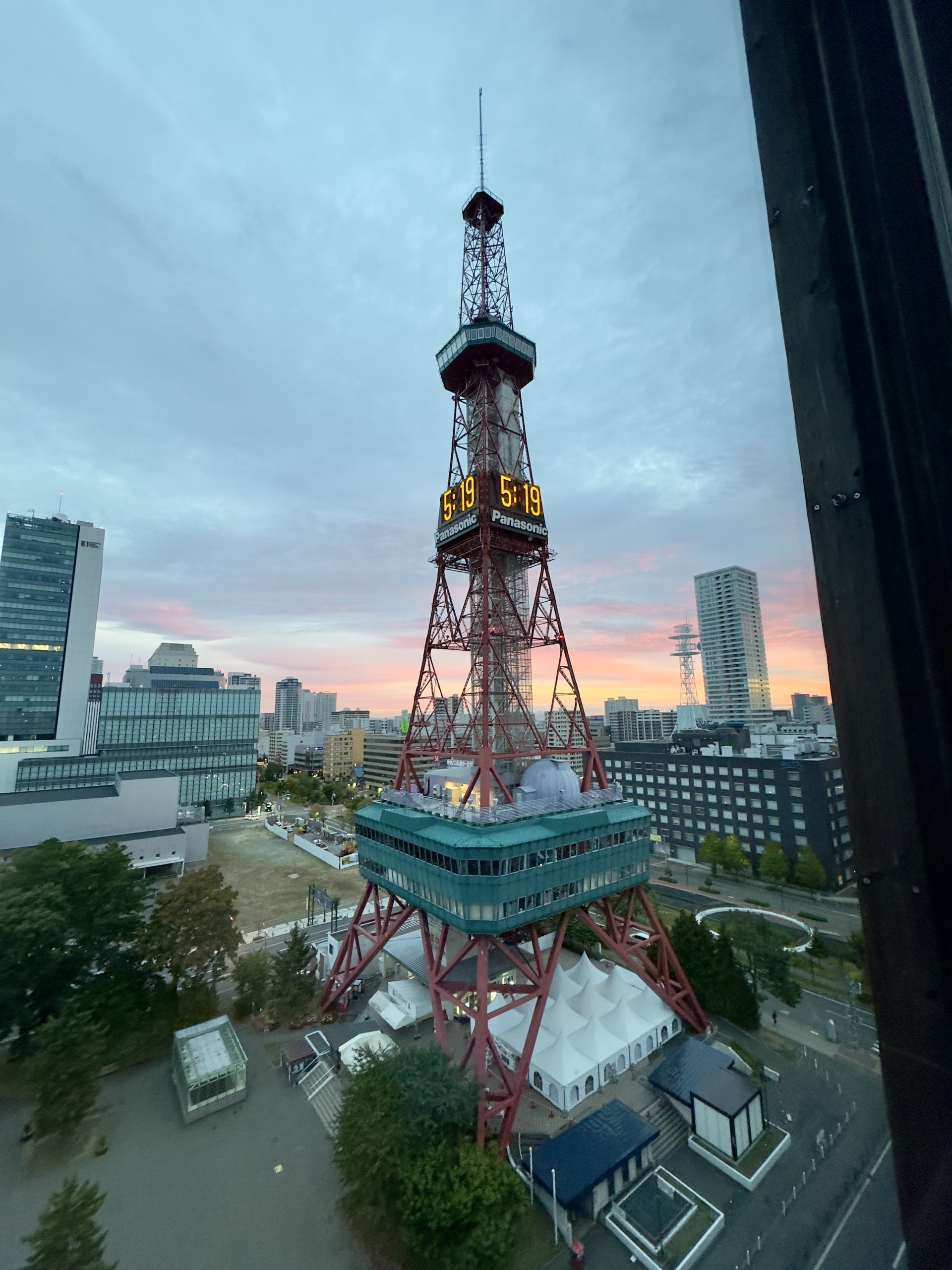
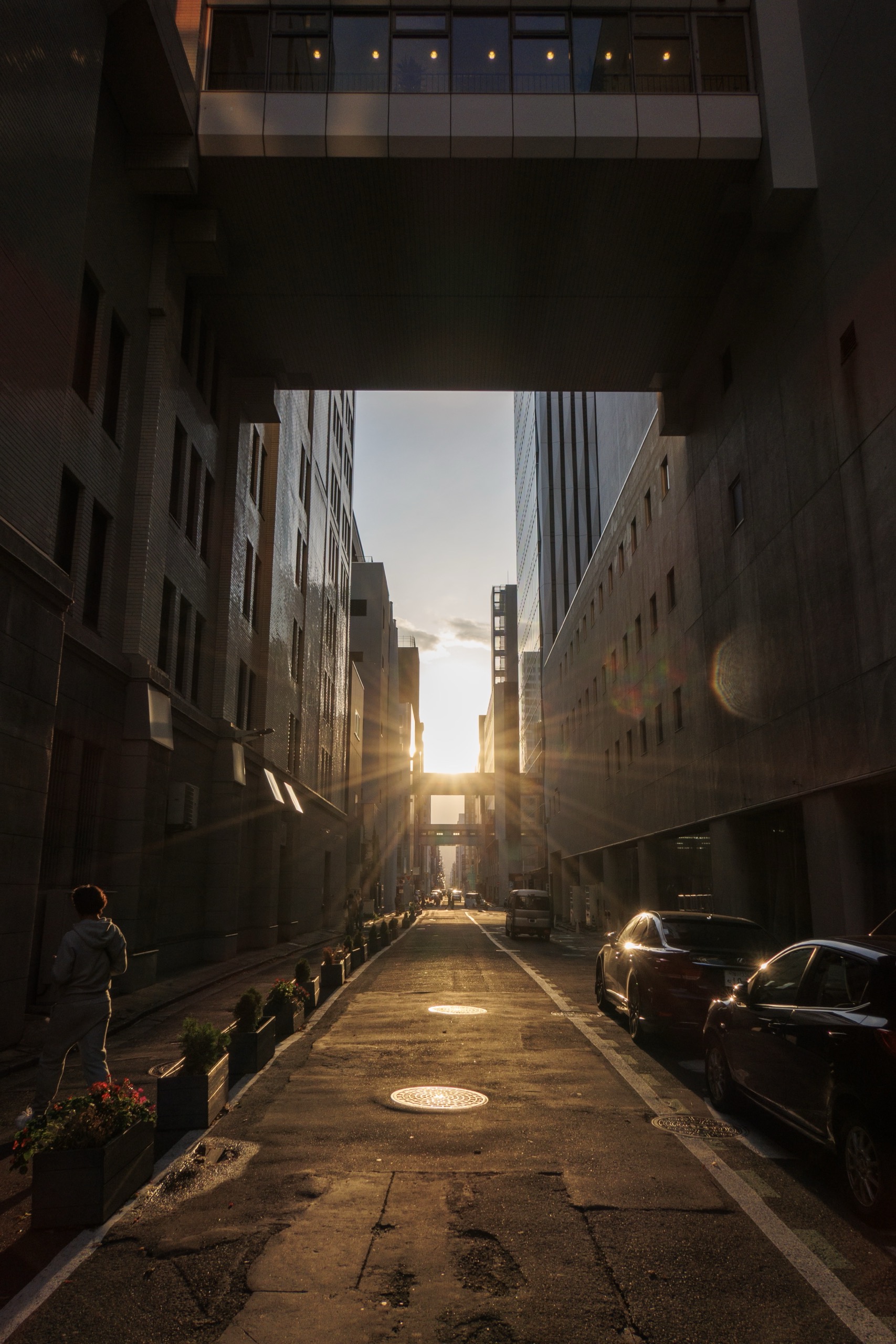
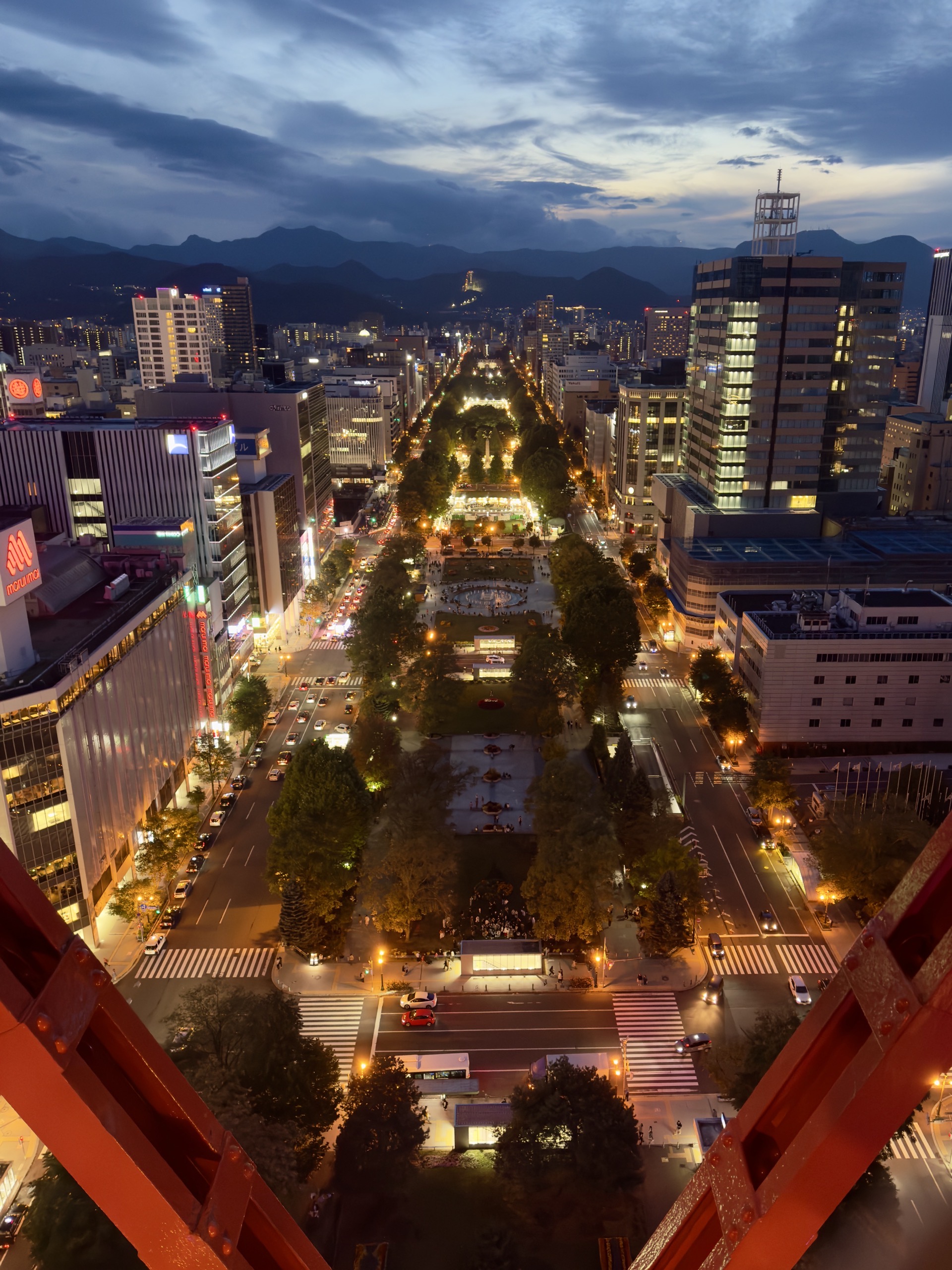
I thought our two-day break in Sapporo, between our journey north and actually starting to cycle south, would give those missing parts time to catch up.
But then the feeling of finally having arrived did not arrive.
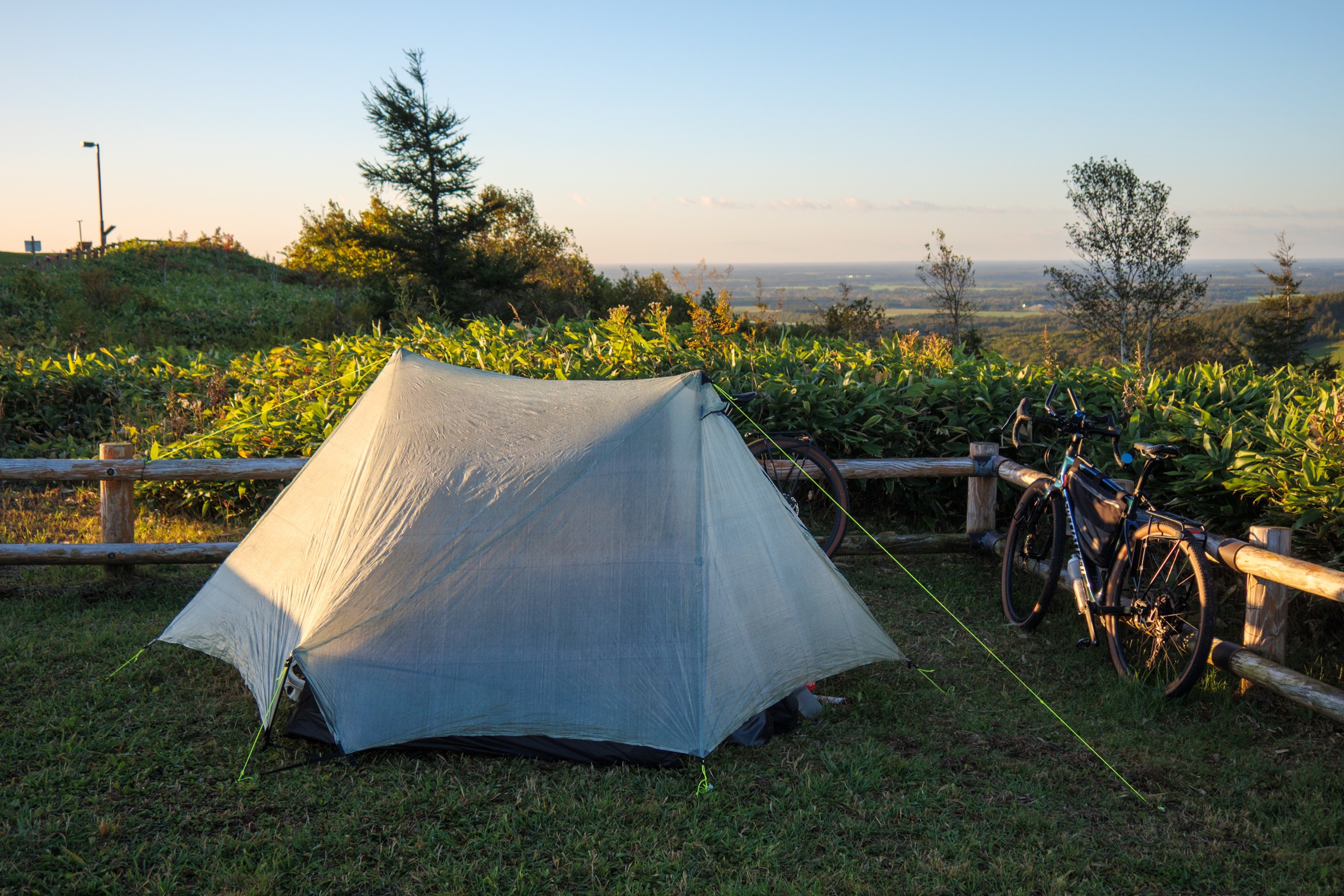
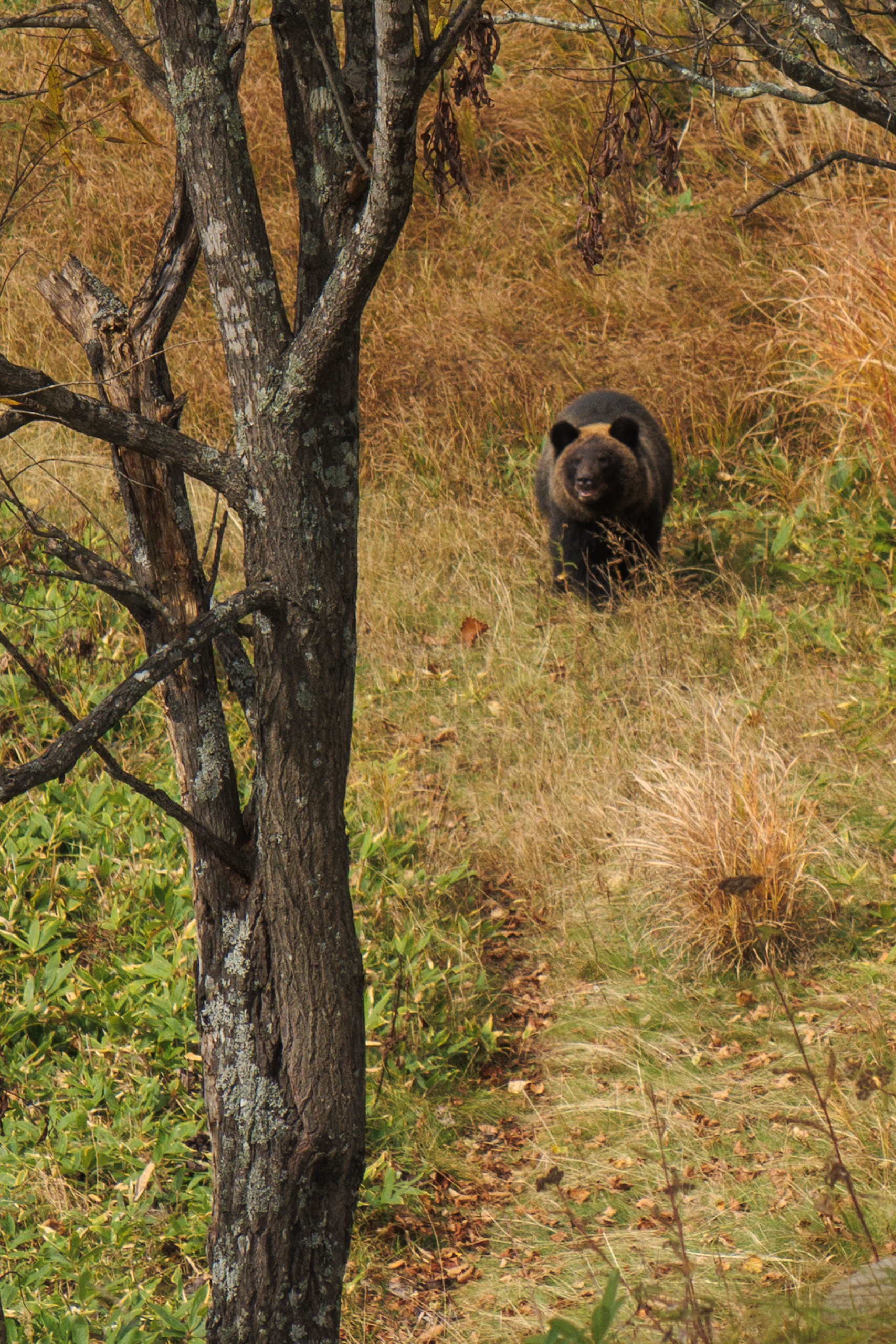
Not in Sapporo, not in the amazingly stocked outdoor equipment shop, not during our hike through wind and mist to Mt. Rausu, not in a restaurant with a joking and seemingly affectionate neighborhood crowd, not after days of cycling through beautiful forests, sleeping in the middle of bear territory and surviving, and not after unwinding in wonderful onsens.
All these experiences helped. All made me feel a bit more at peace with being here. Yet none of them, nor their accumulation, gave me the feeling of having fully arrived. I had somehow expected a particular moment when everything would suddenly fall into place, when I could finally finish this post and write about how it had all changed. But after more than a thousand kilometers through Hokkaido, I started wondering whether that moment would ever come. Or maybe arriving here is not something that happens with a big bam, but slowly, step by step, kilometer by kilometer, without me even noticing.
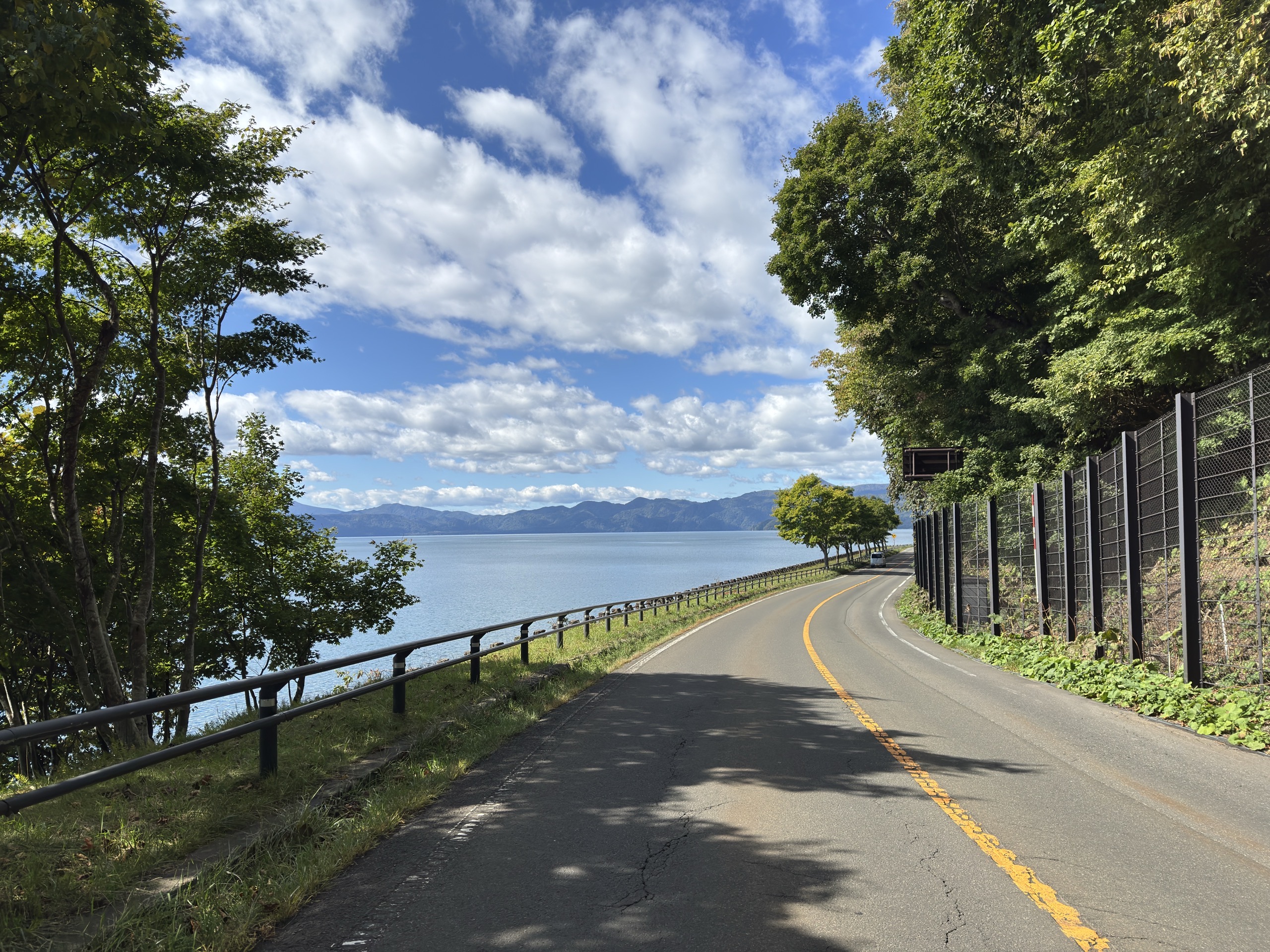
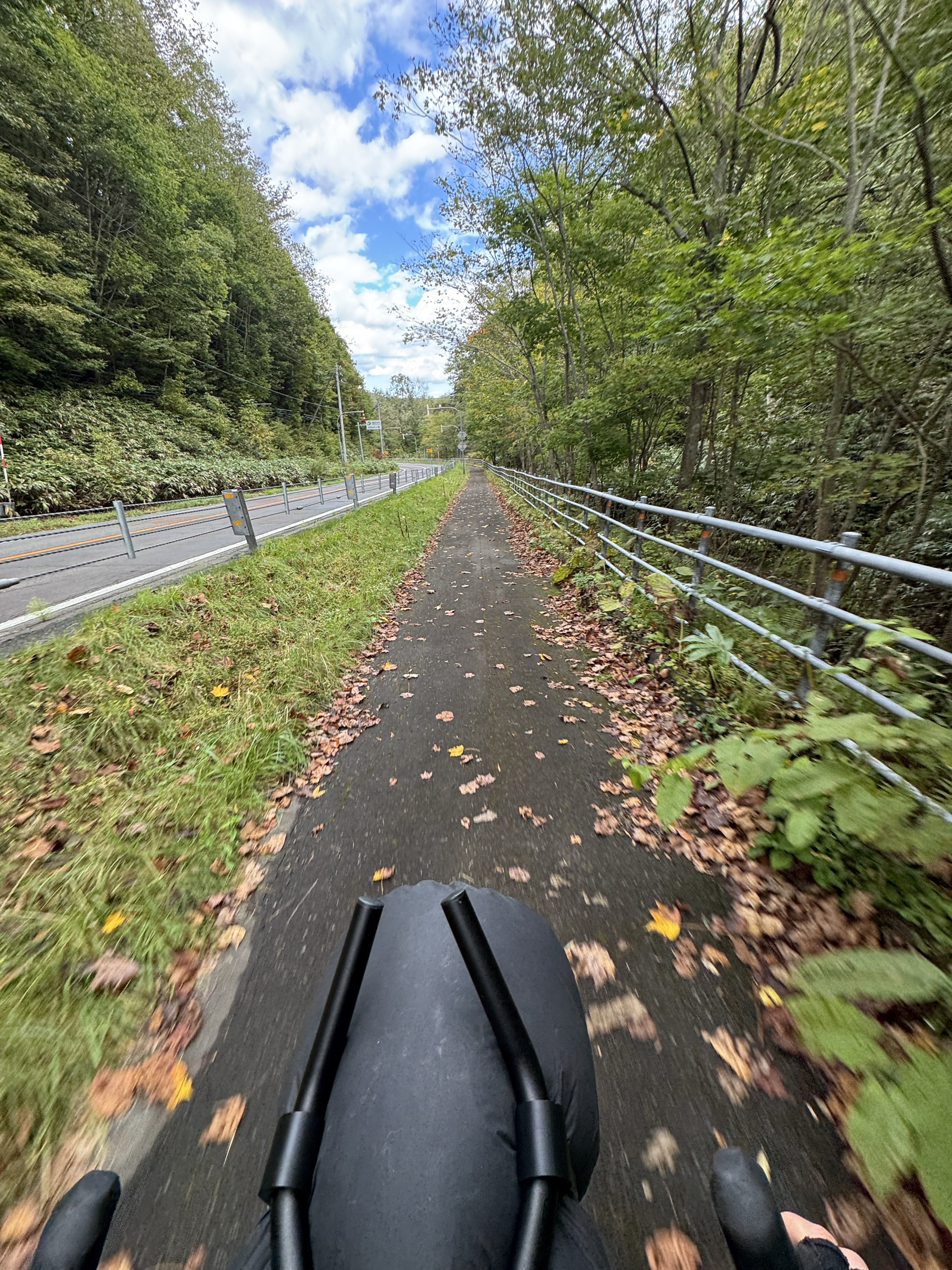
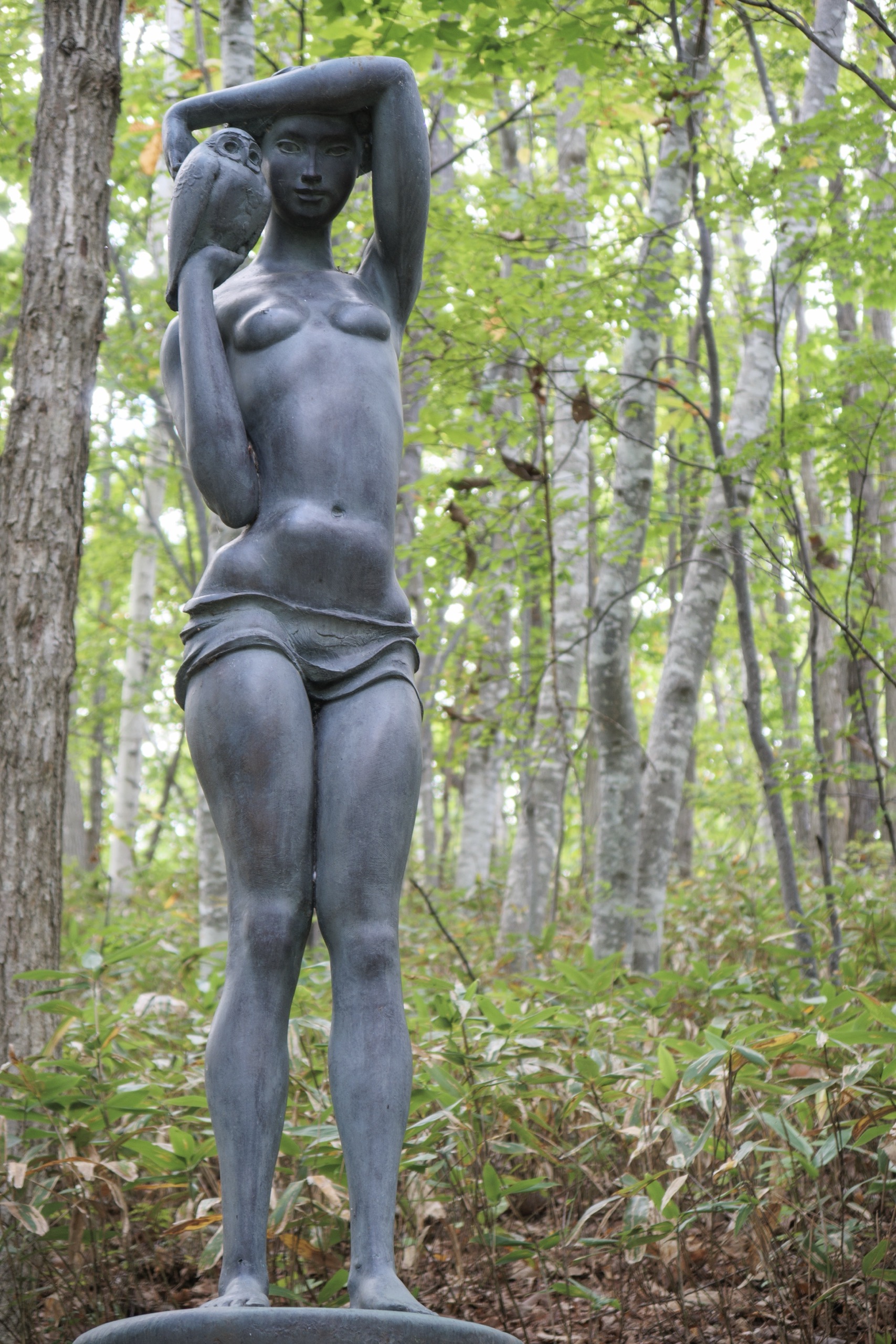
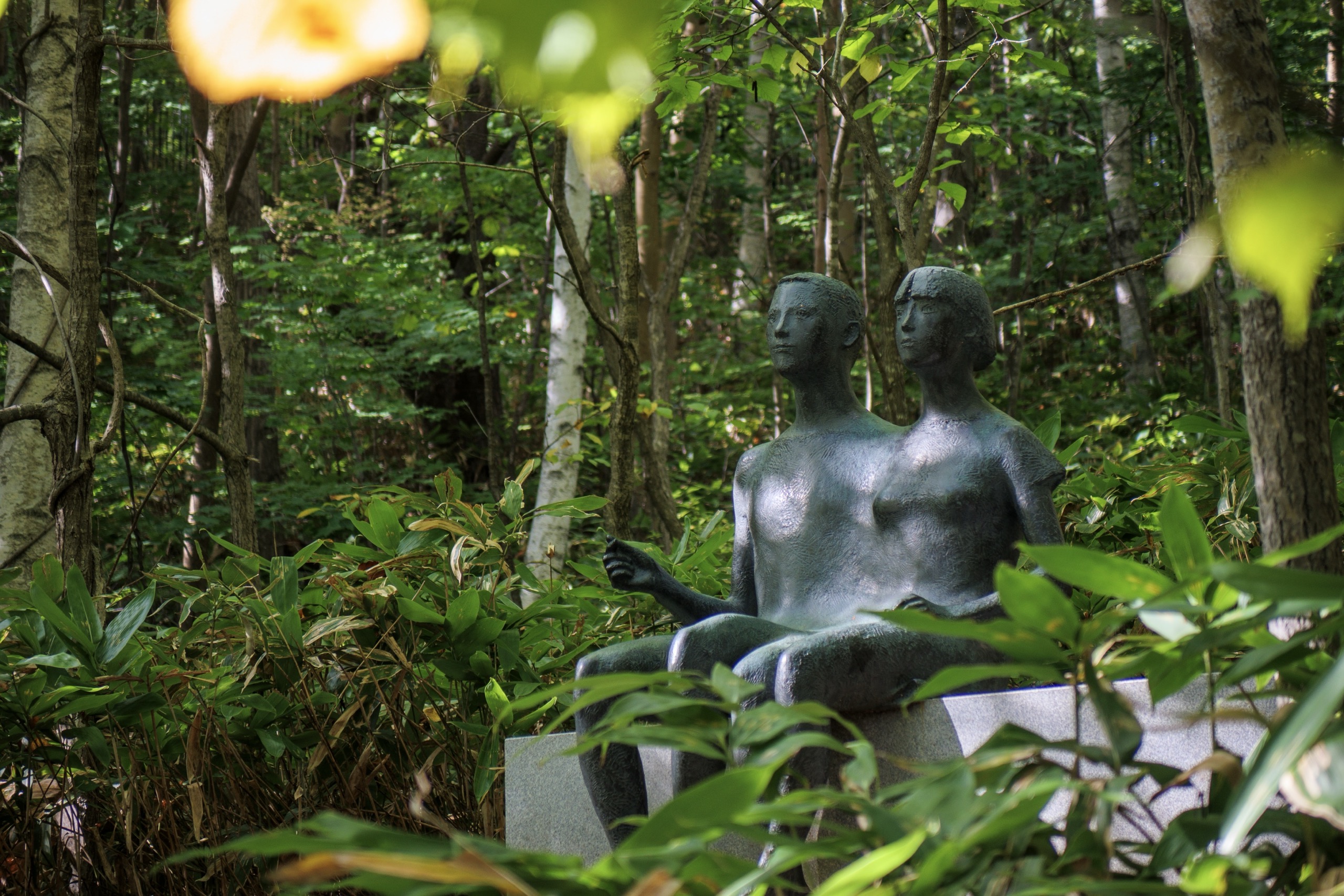
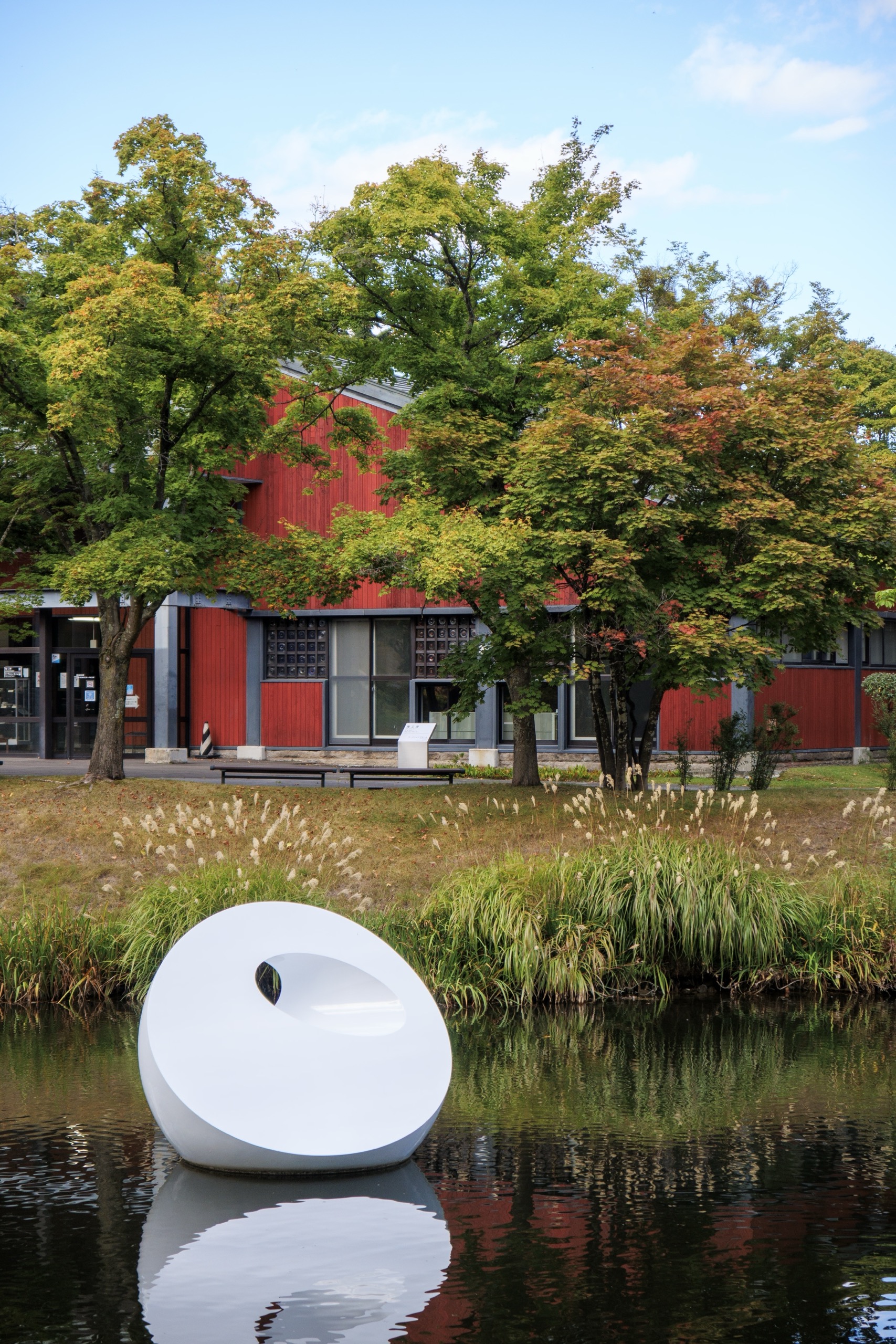
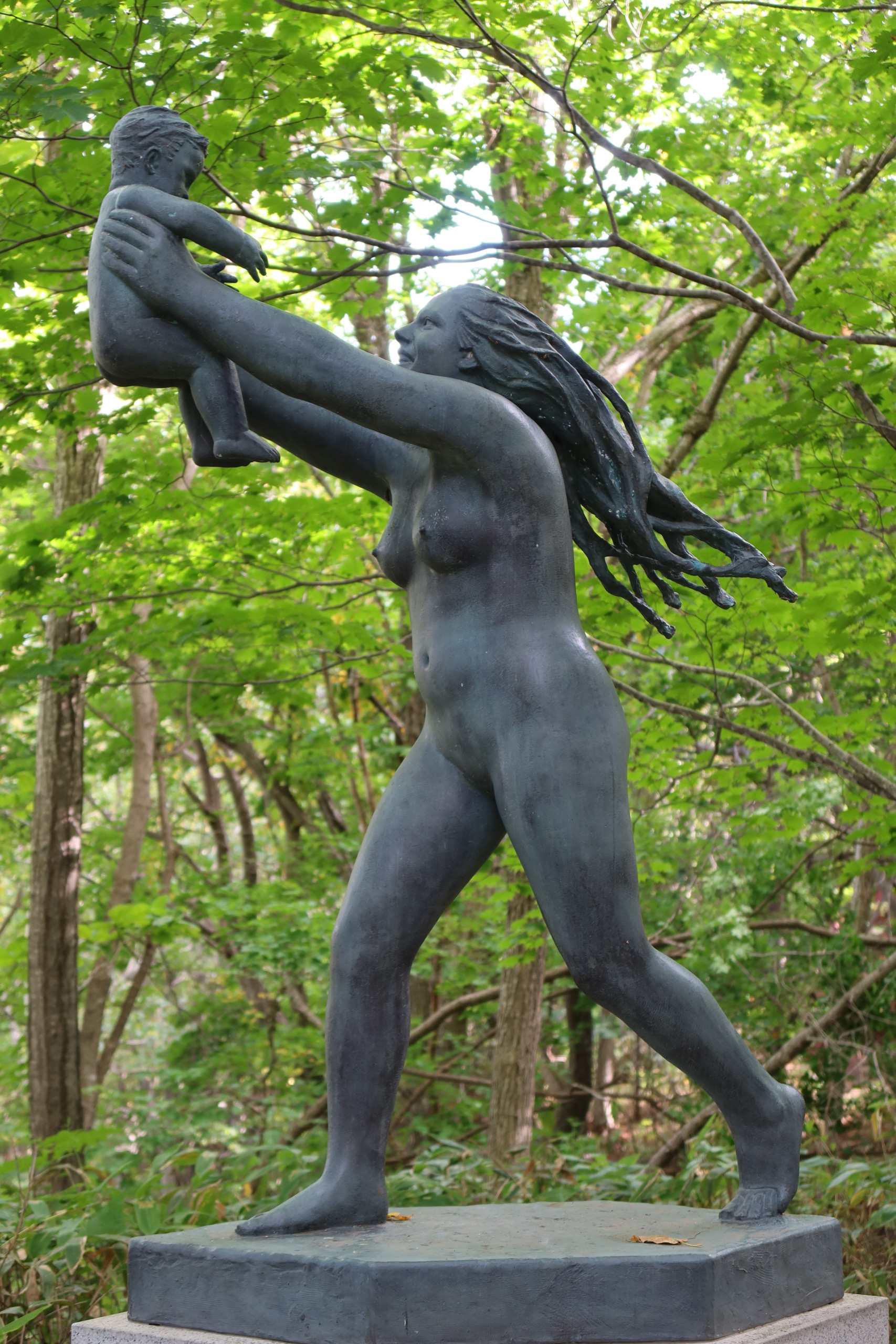
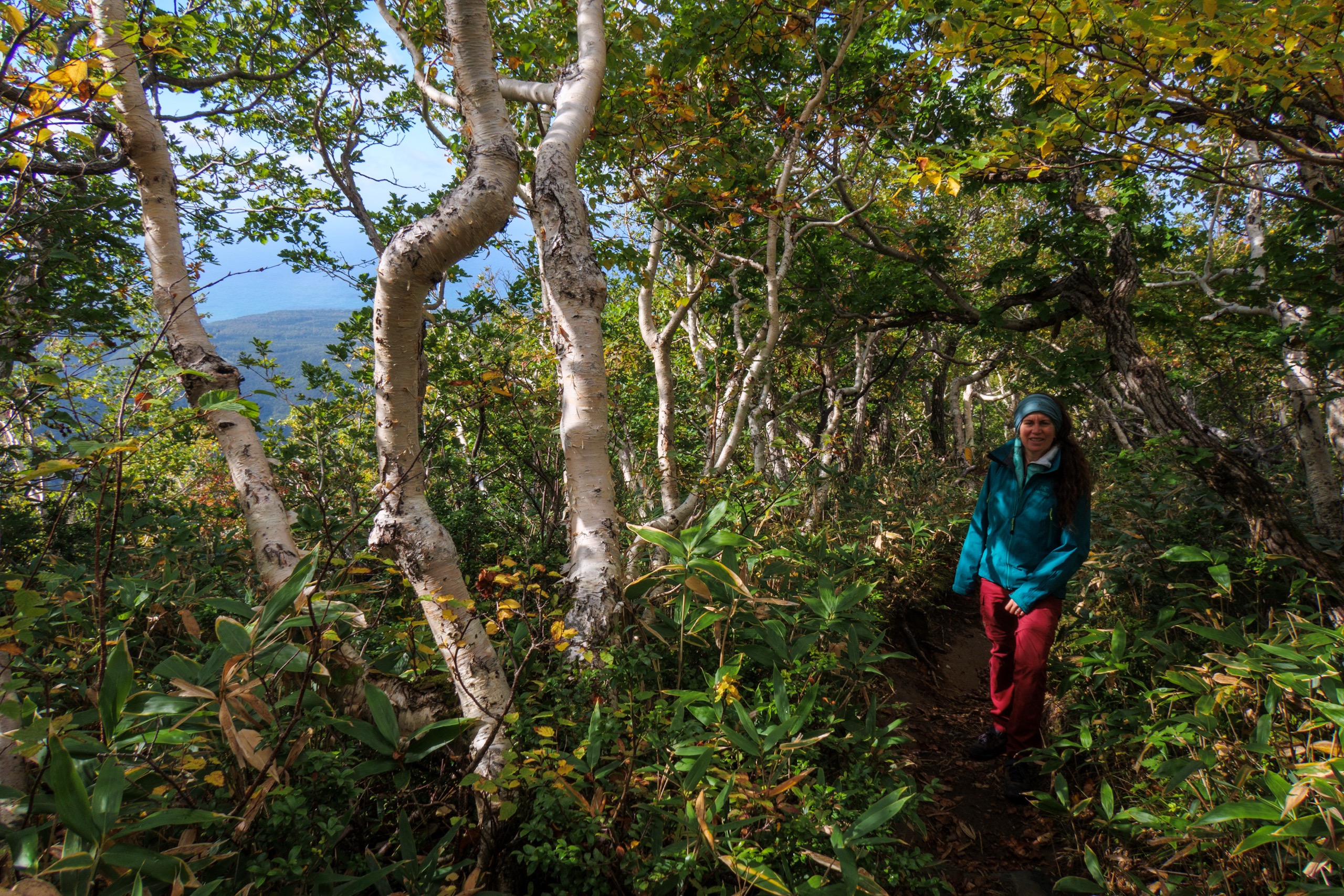
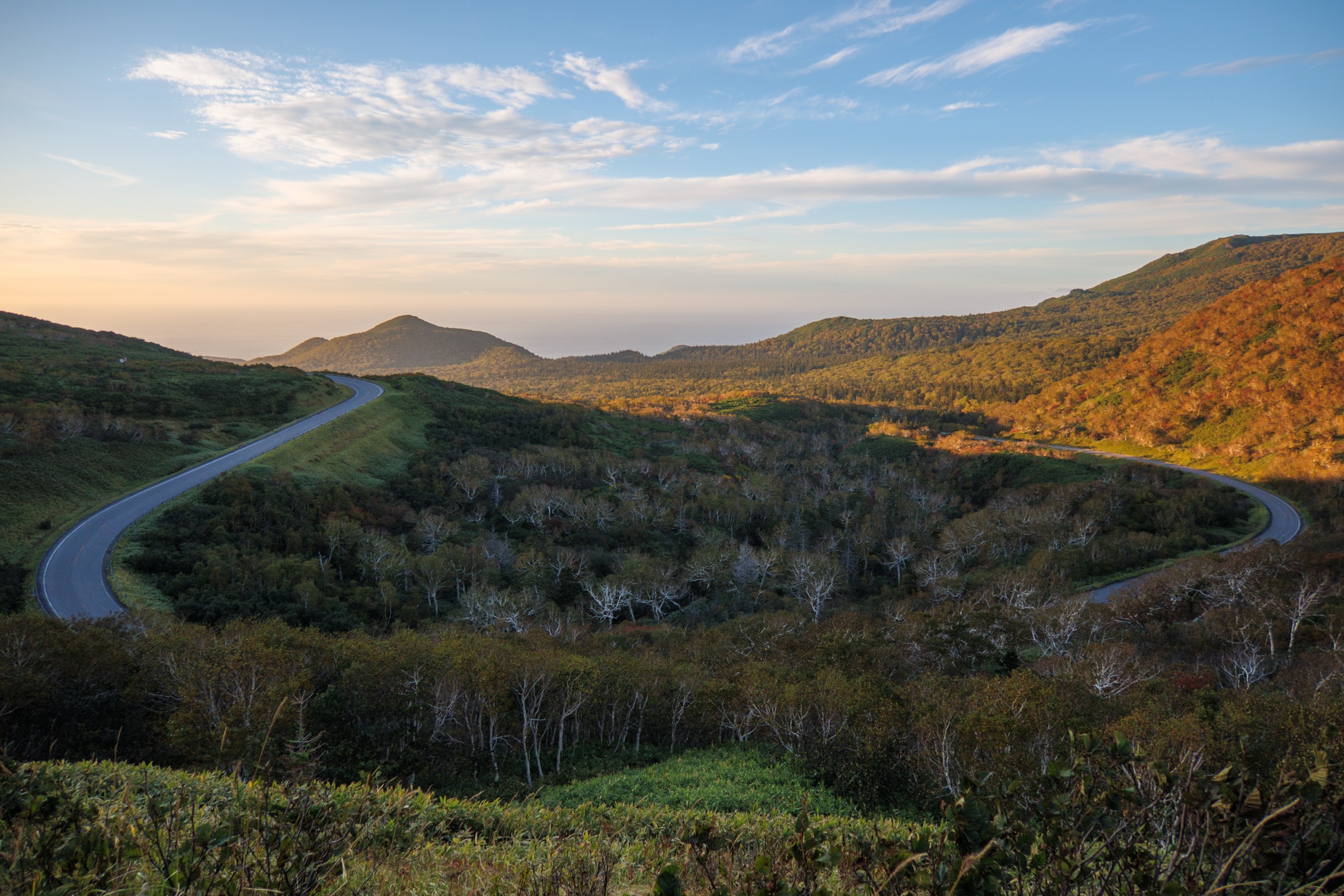
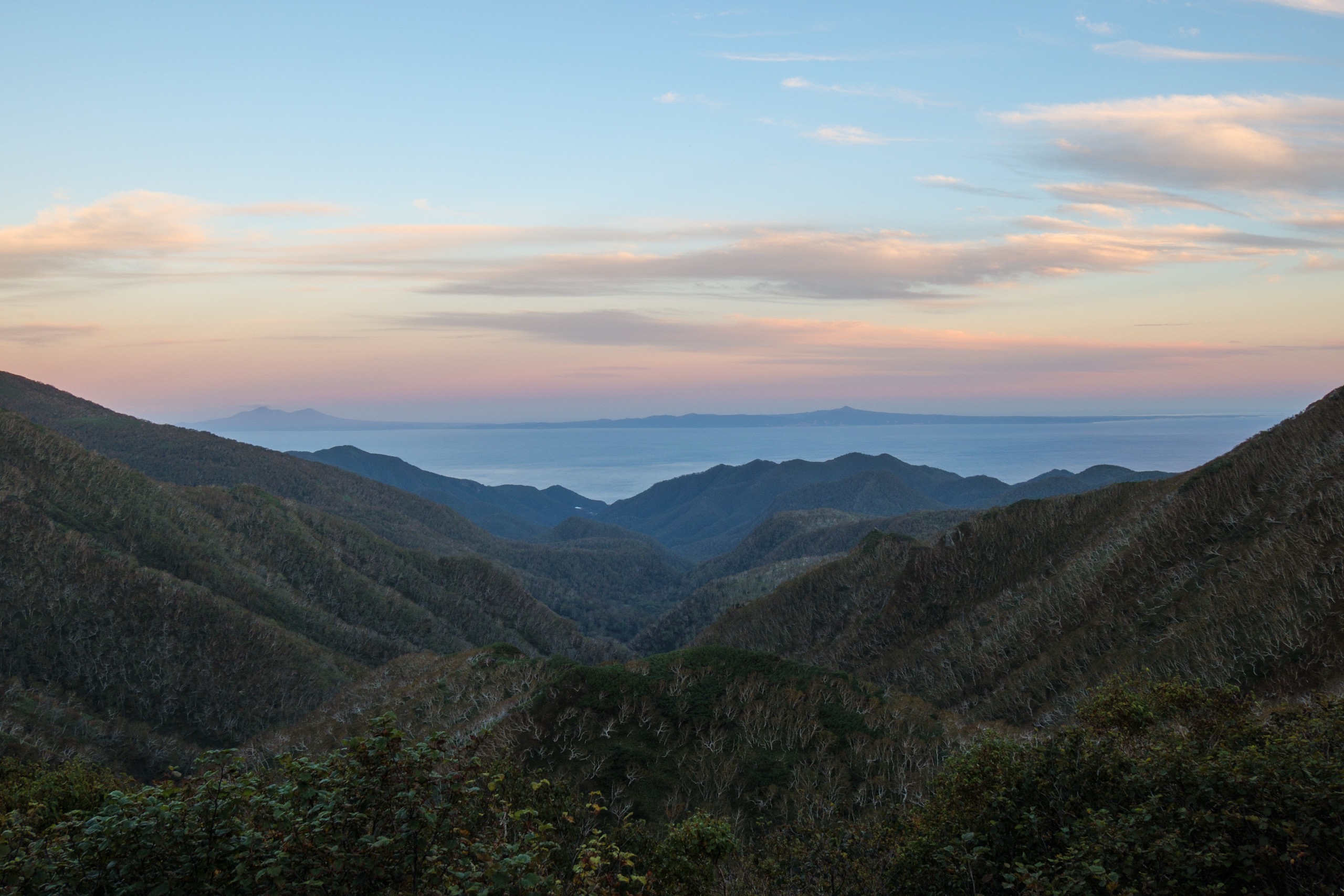
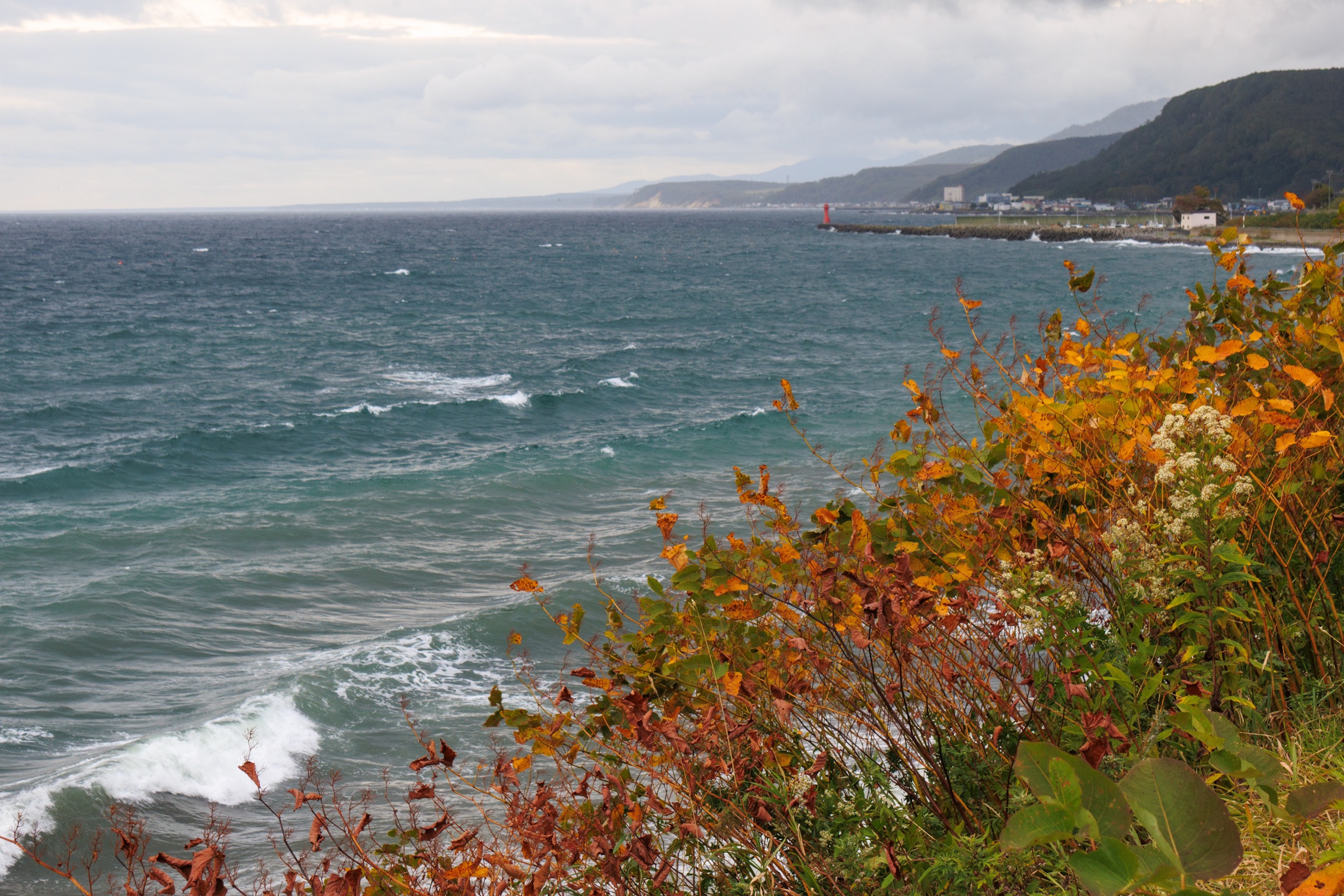
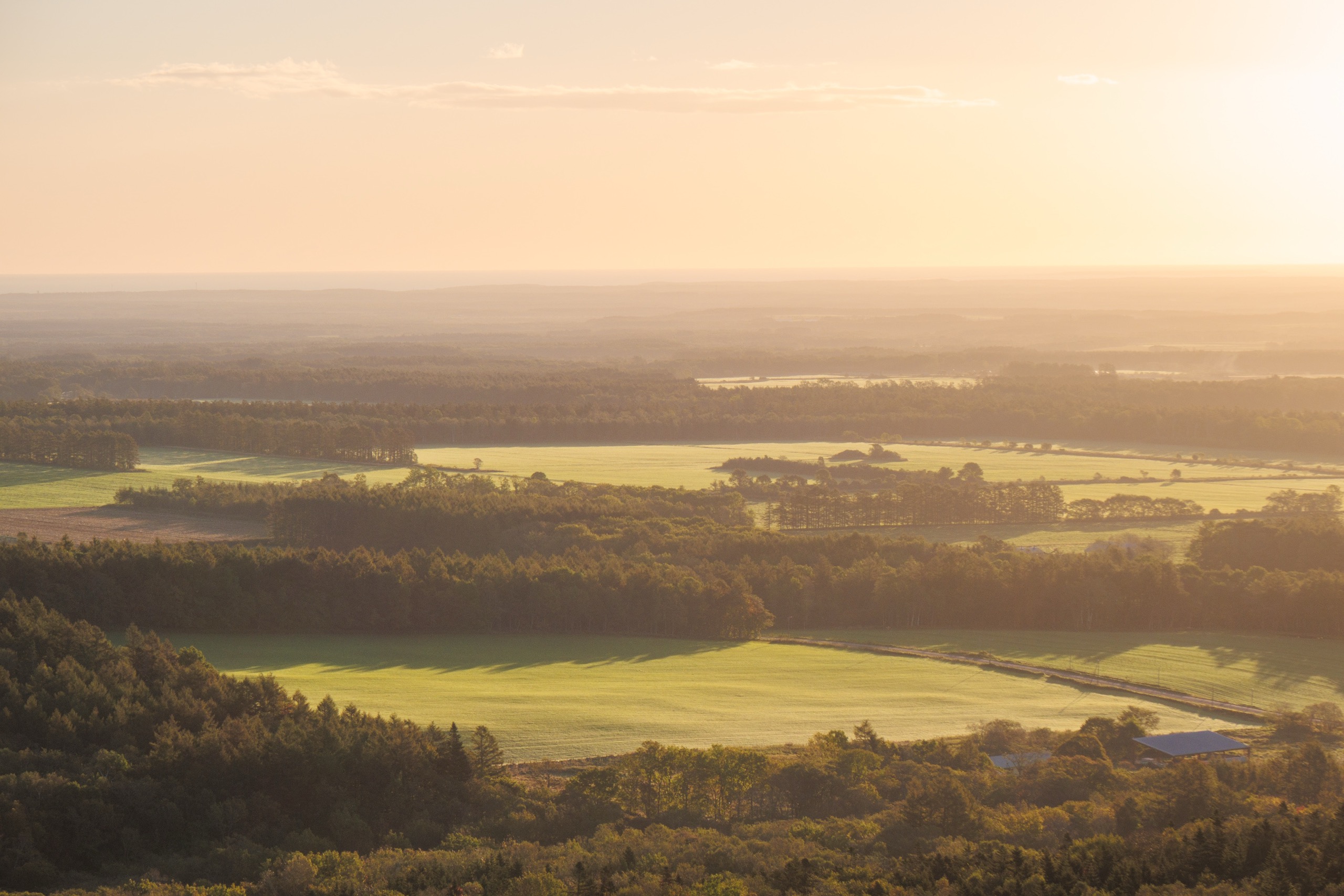
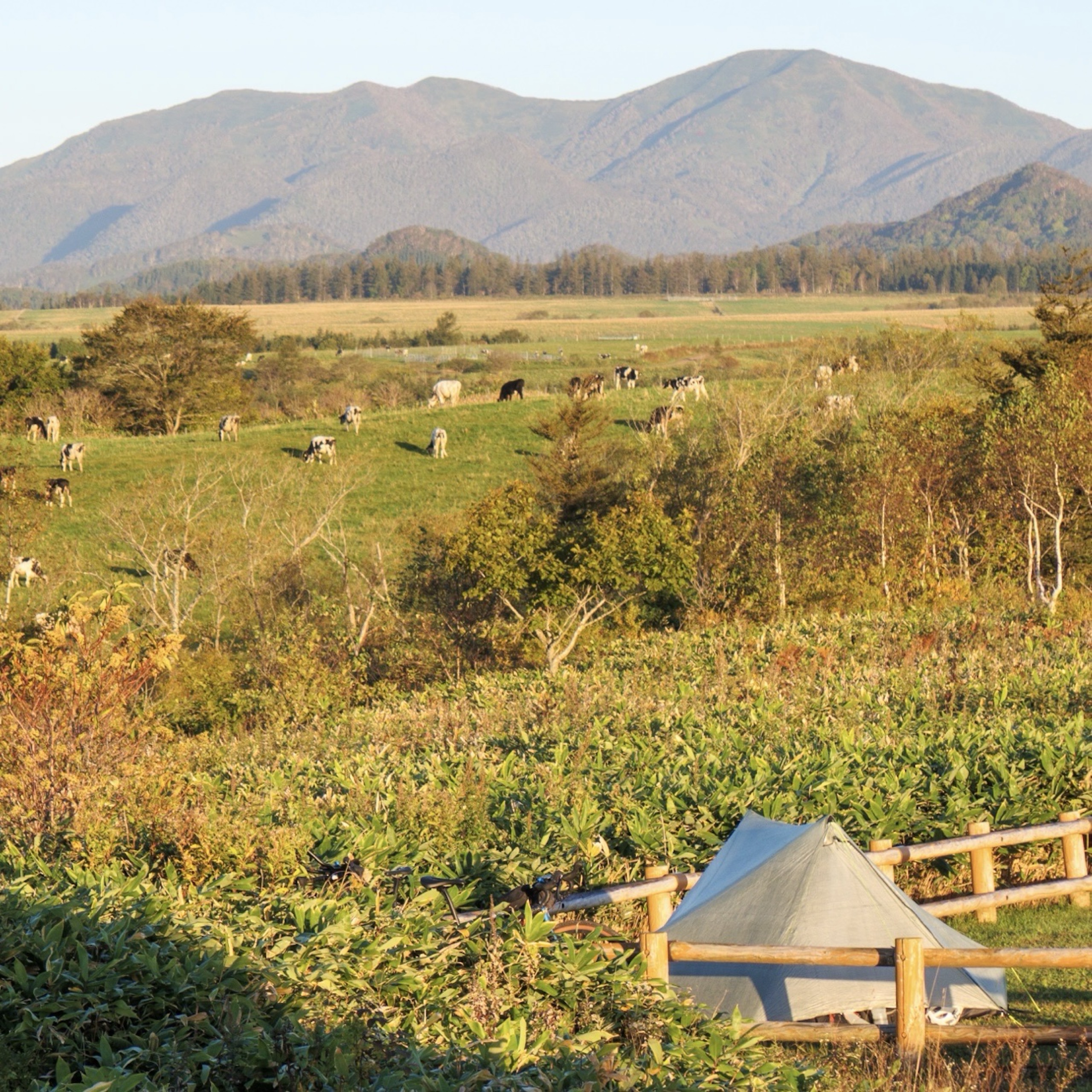
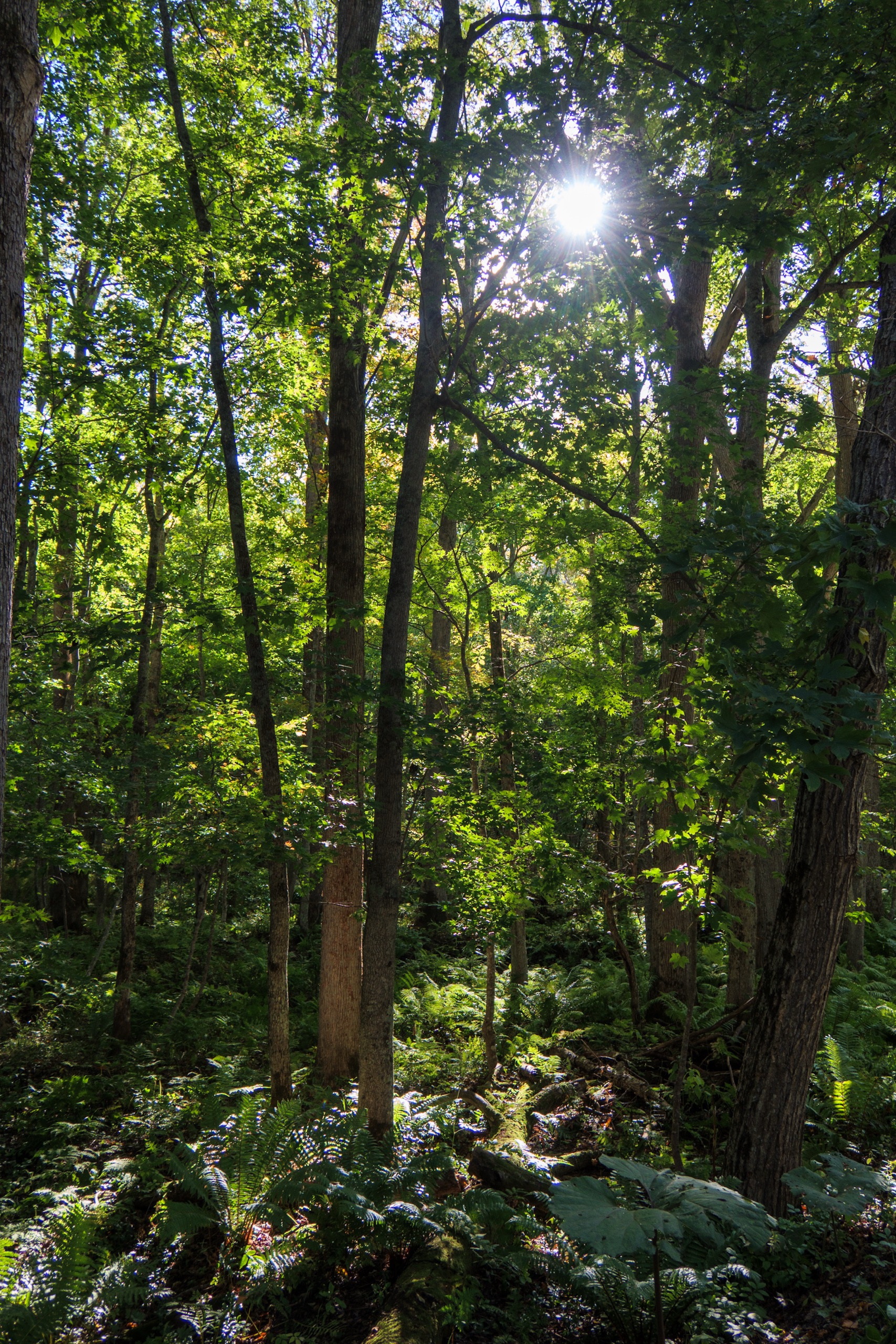
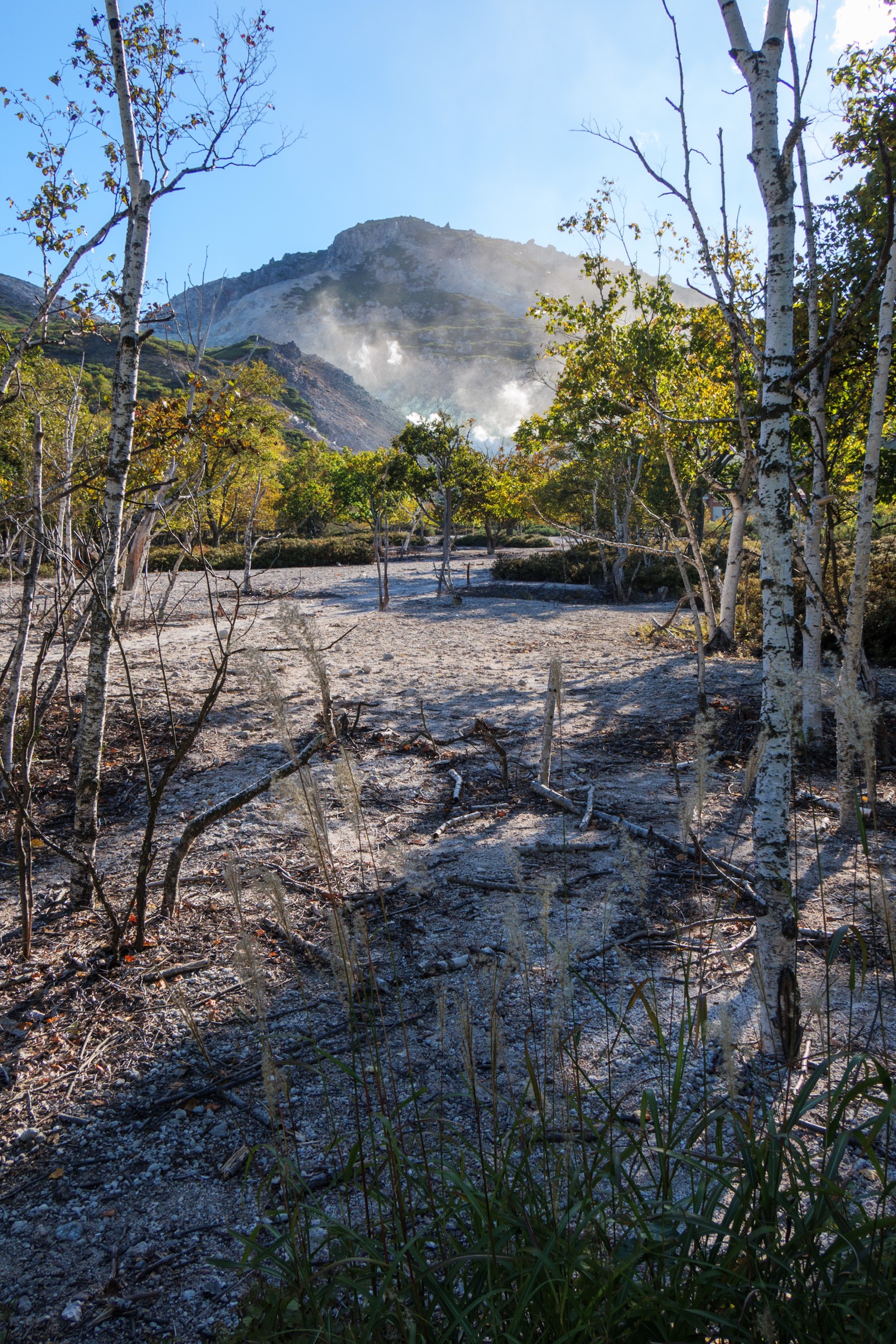
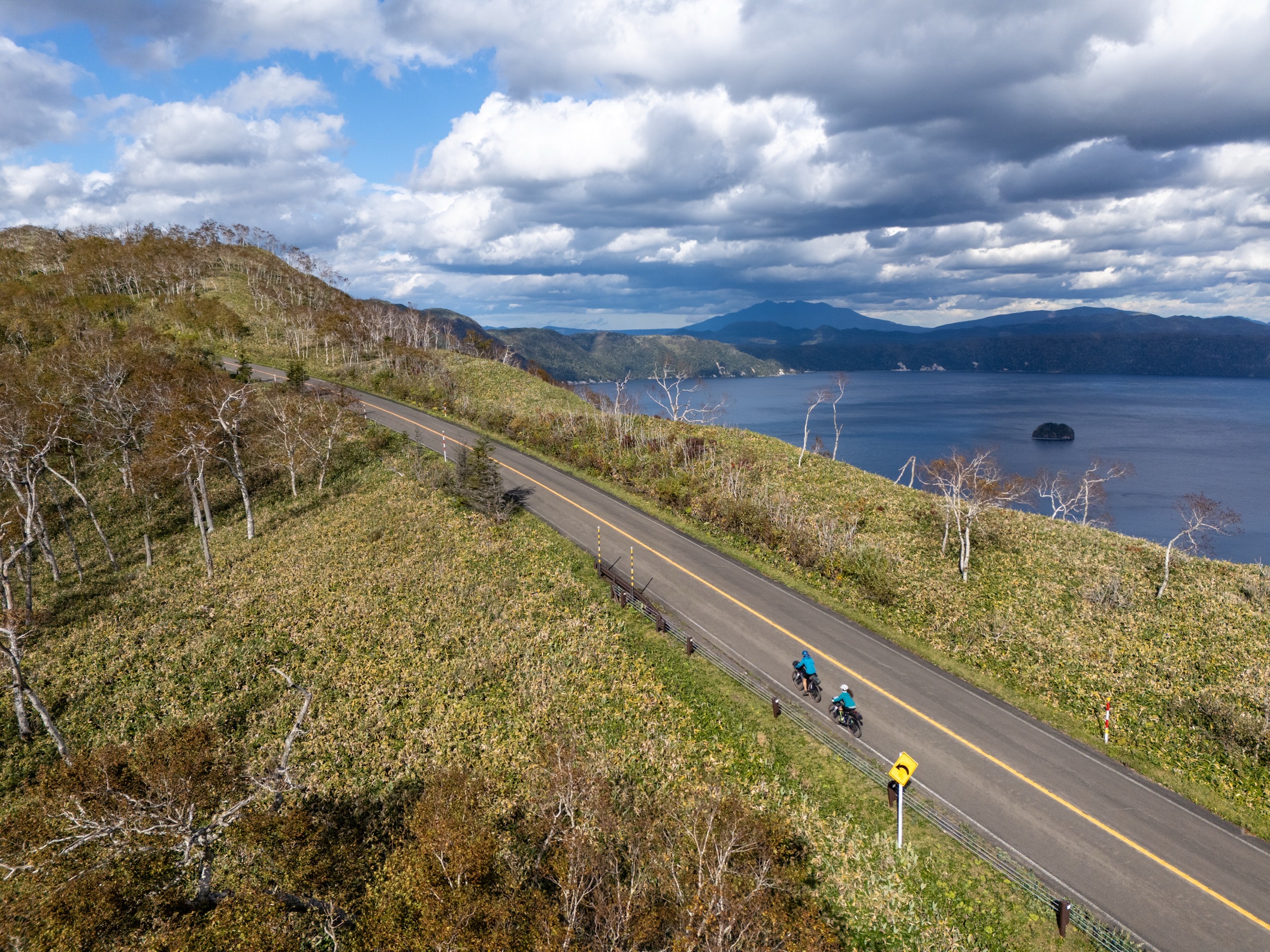
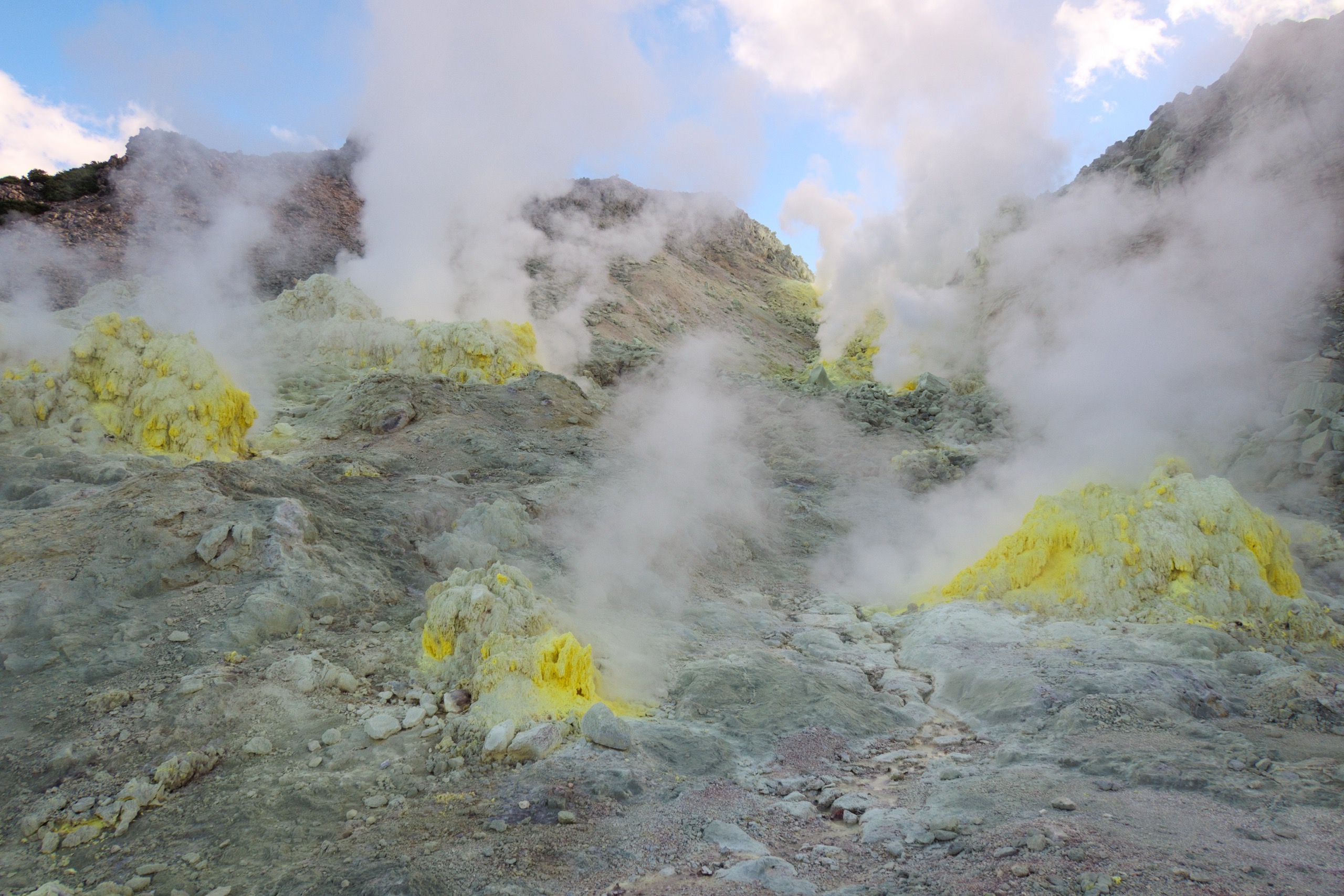
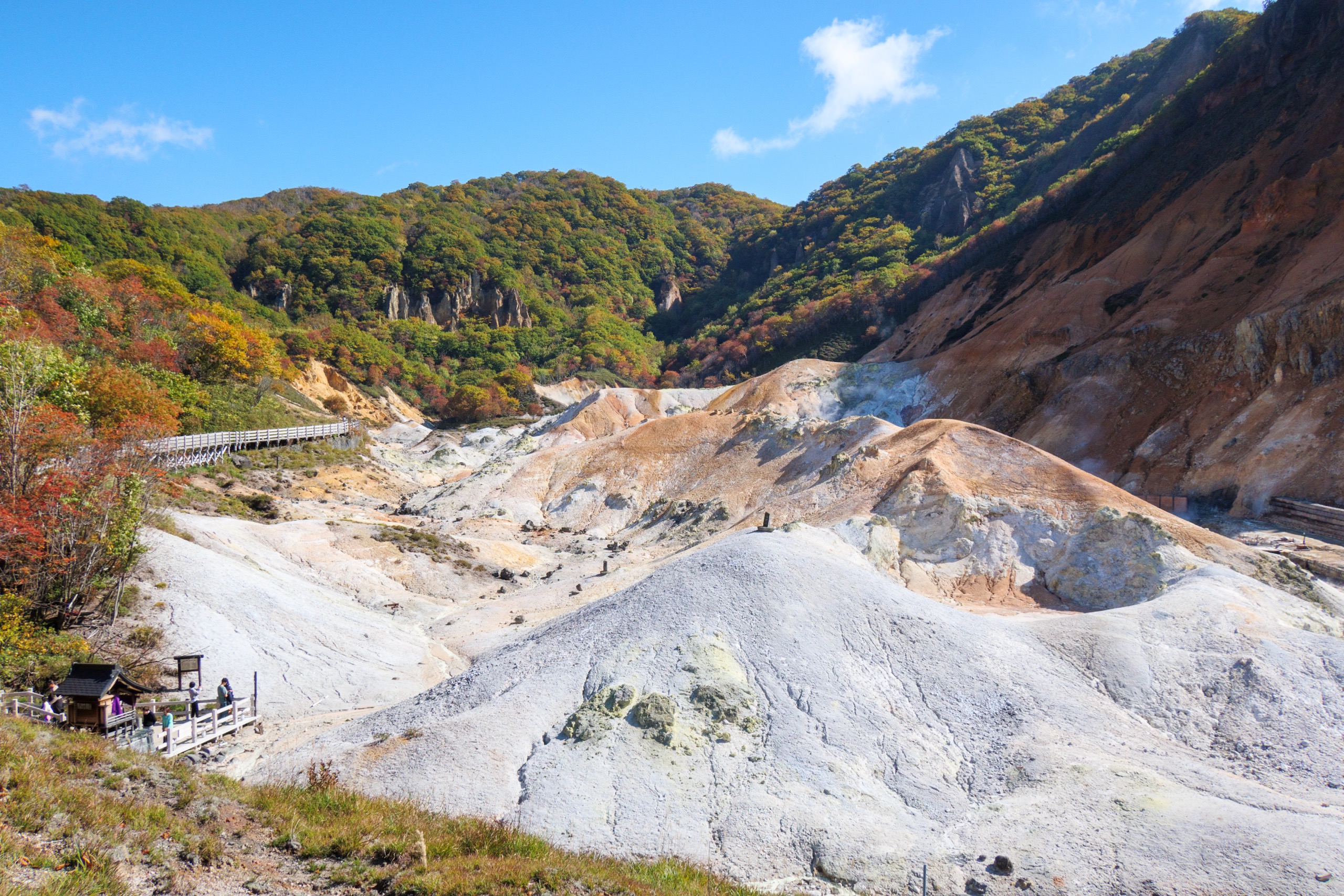
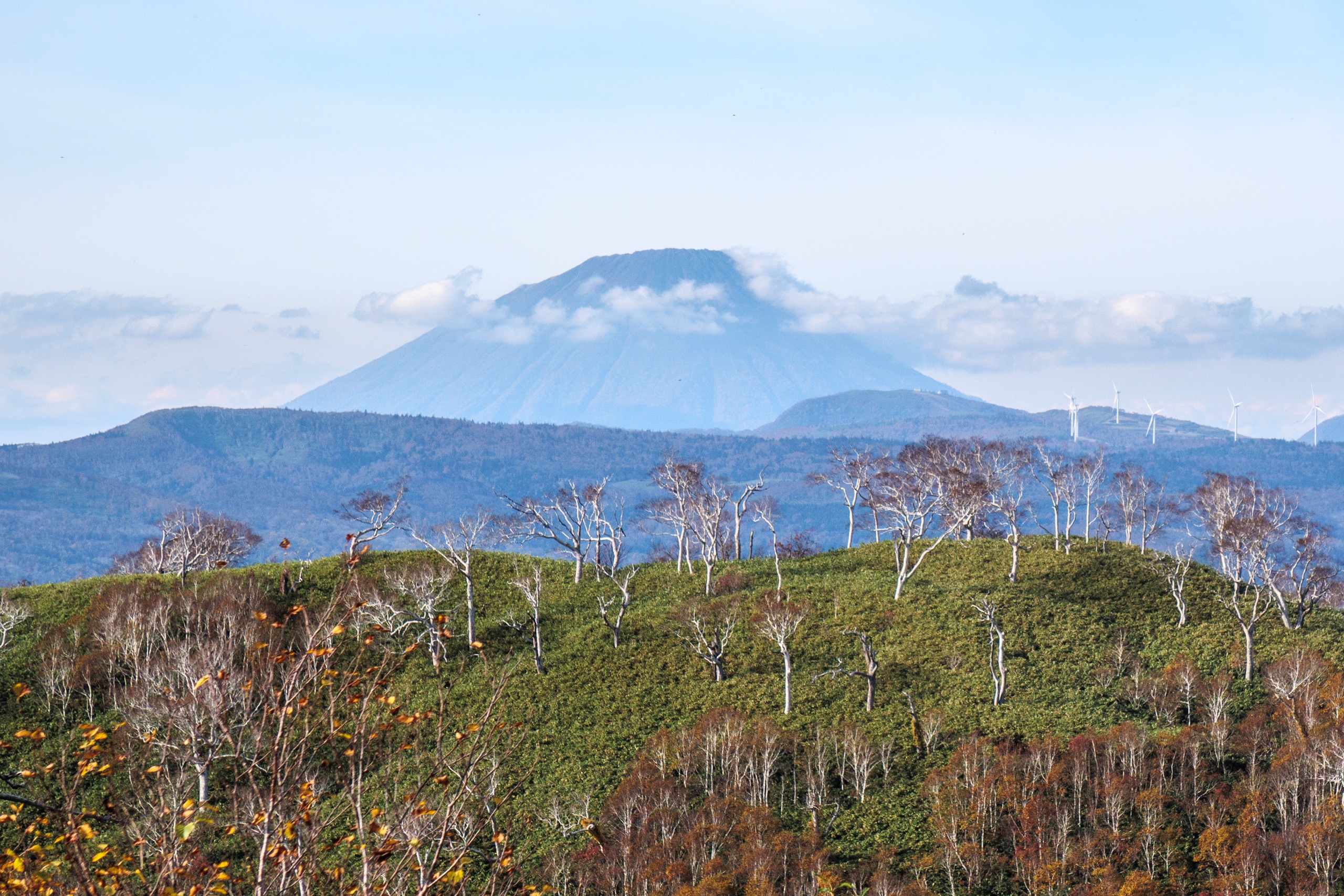
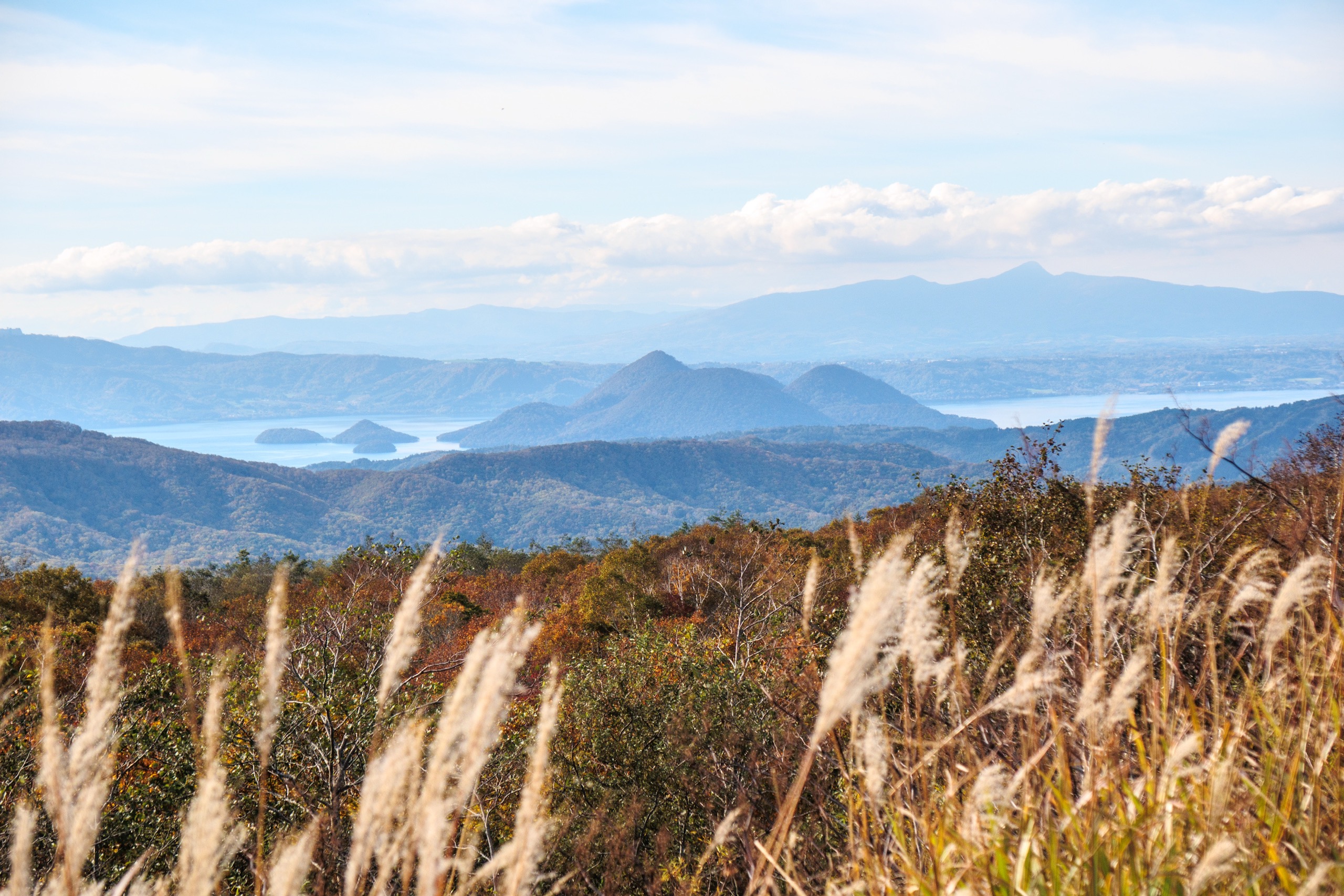
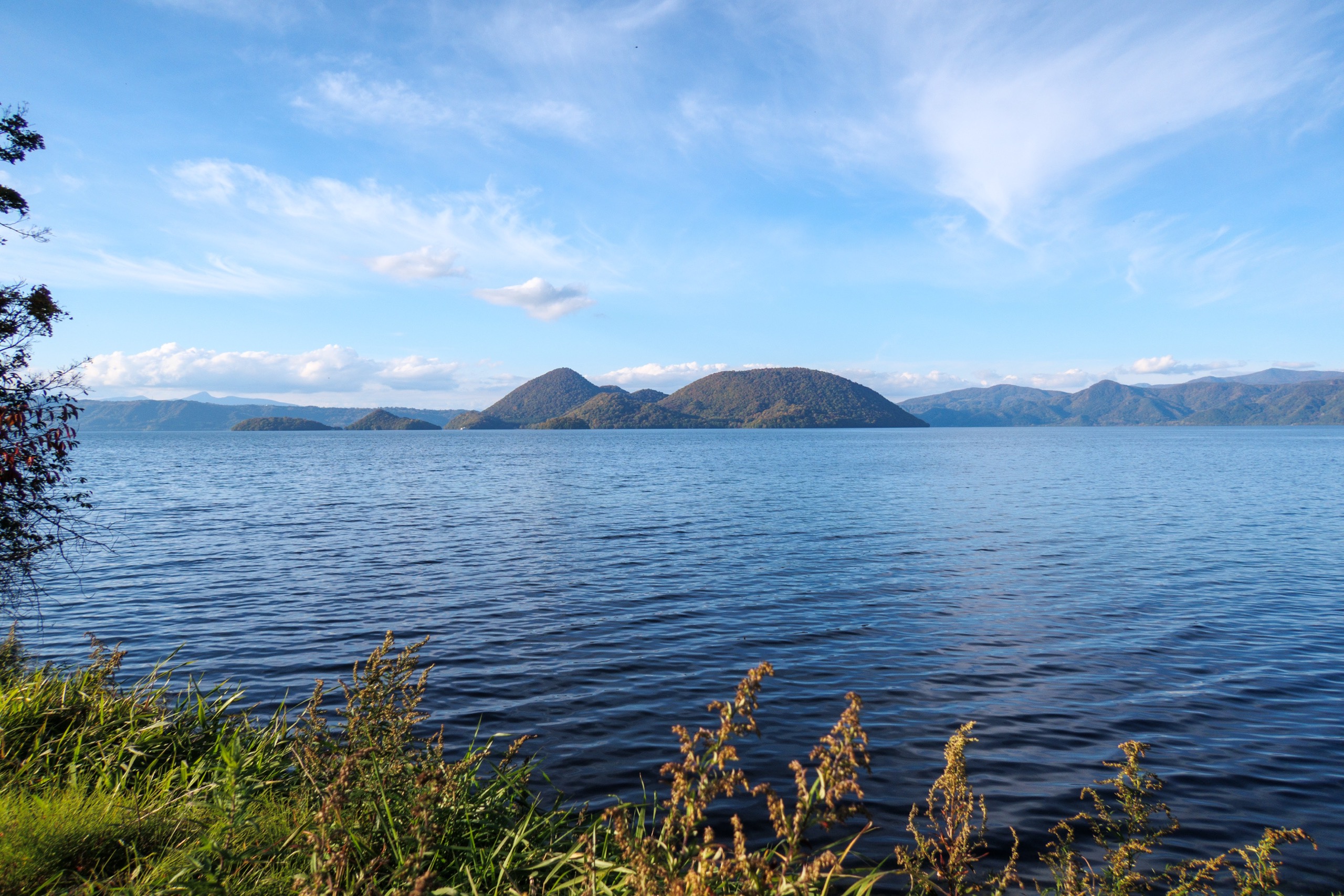
I had very much looked forward to Hokkaido and its highly praised nature. And indeed, there is plenty to appreciate. Beautiful forests, mountains, lakes, volcanoes, endless little roads, and sometimes not another soul in sight. But while I could often appreciate its beauty, the landscape sometimes felt almost too familiar to be exciting, while the place itself felt strangely hostile and abandoned.
In many remote areas, people have been moving to bigger cities, leaving behind empty houses, shops, and infrastructure that is slowly falling apart. This means beautiful closed roads that we have entirely to ourselves, but also villages that seem to have lost much of their life. On top of that, we are here between summer and winter, when many campgrounds, hotels, and restaurants are closed for the season. It all adds to this strange feeling of abandonment and of somehow being unwelcome in a place that wasn’t expecting anyone to come through.
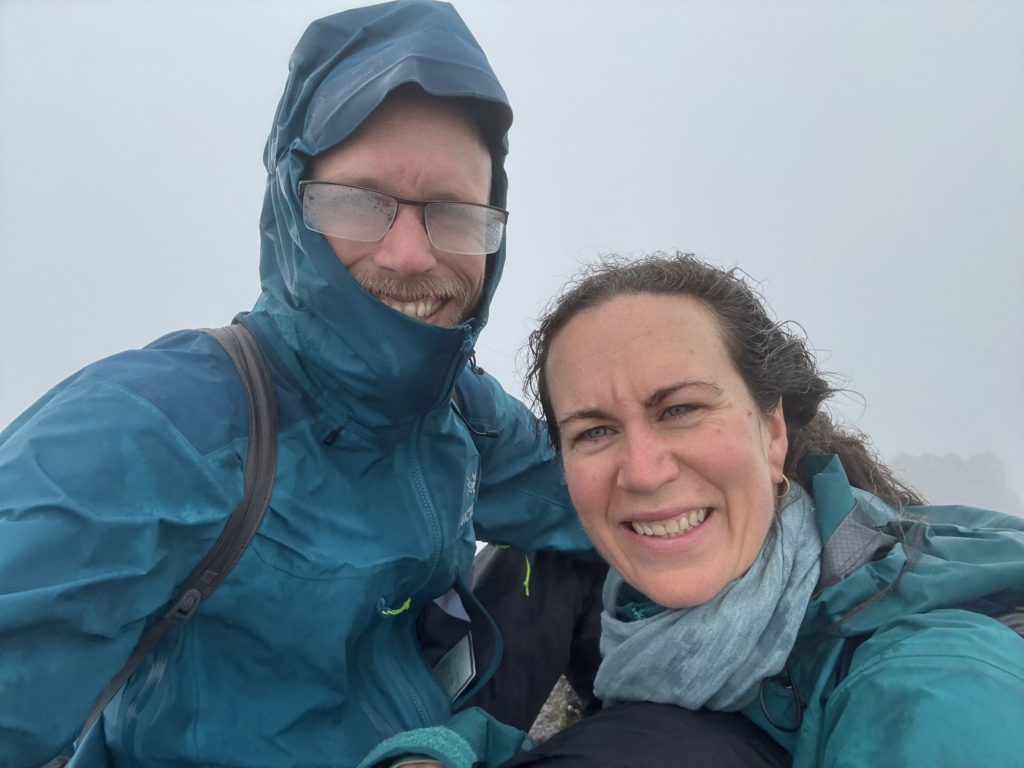
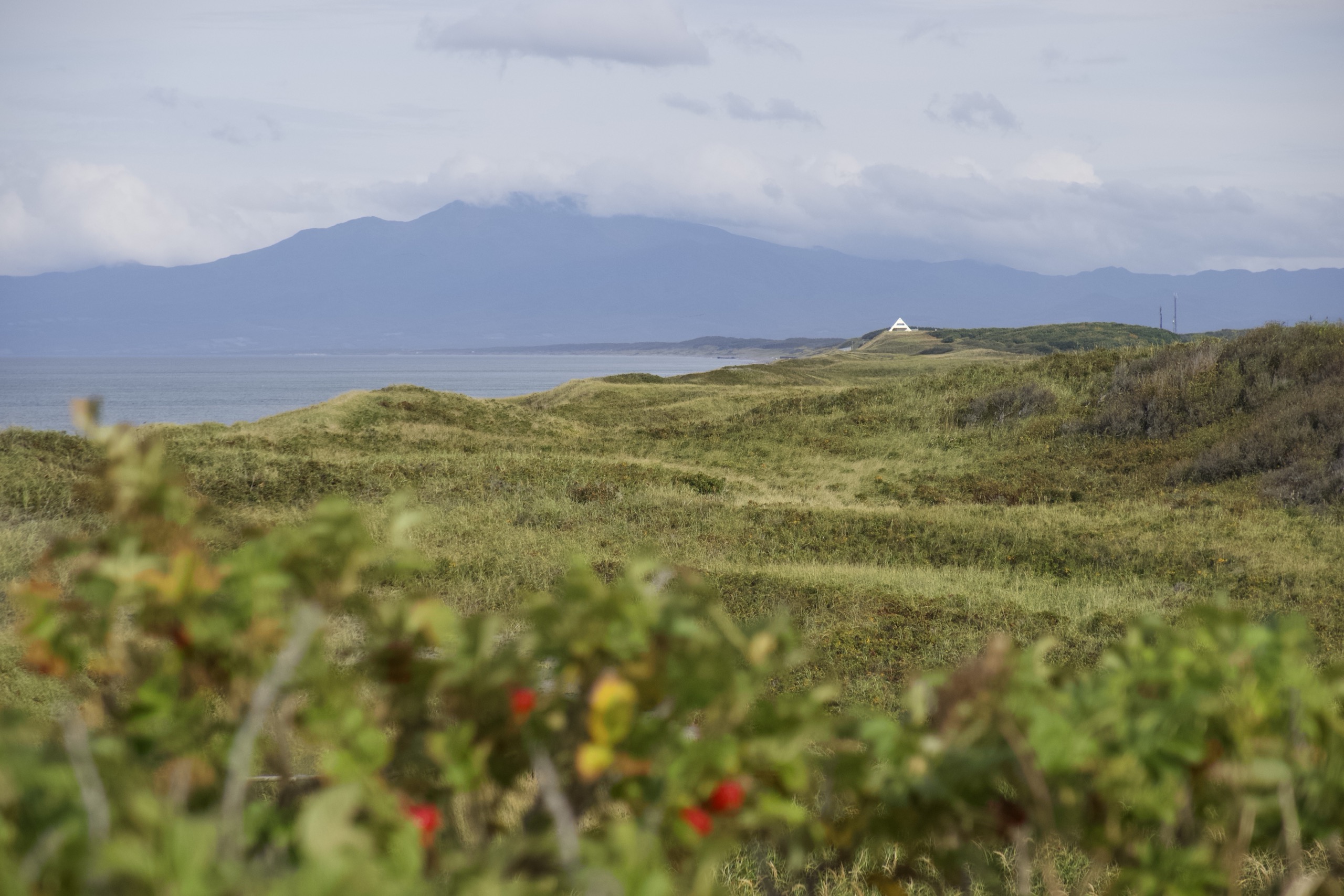
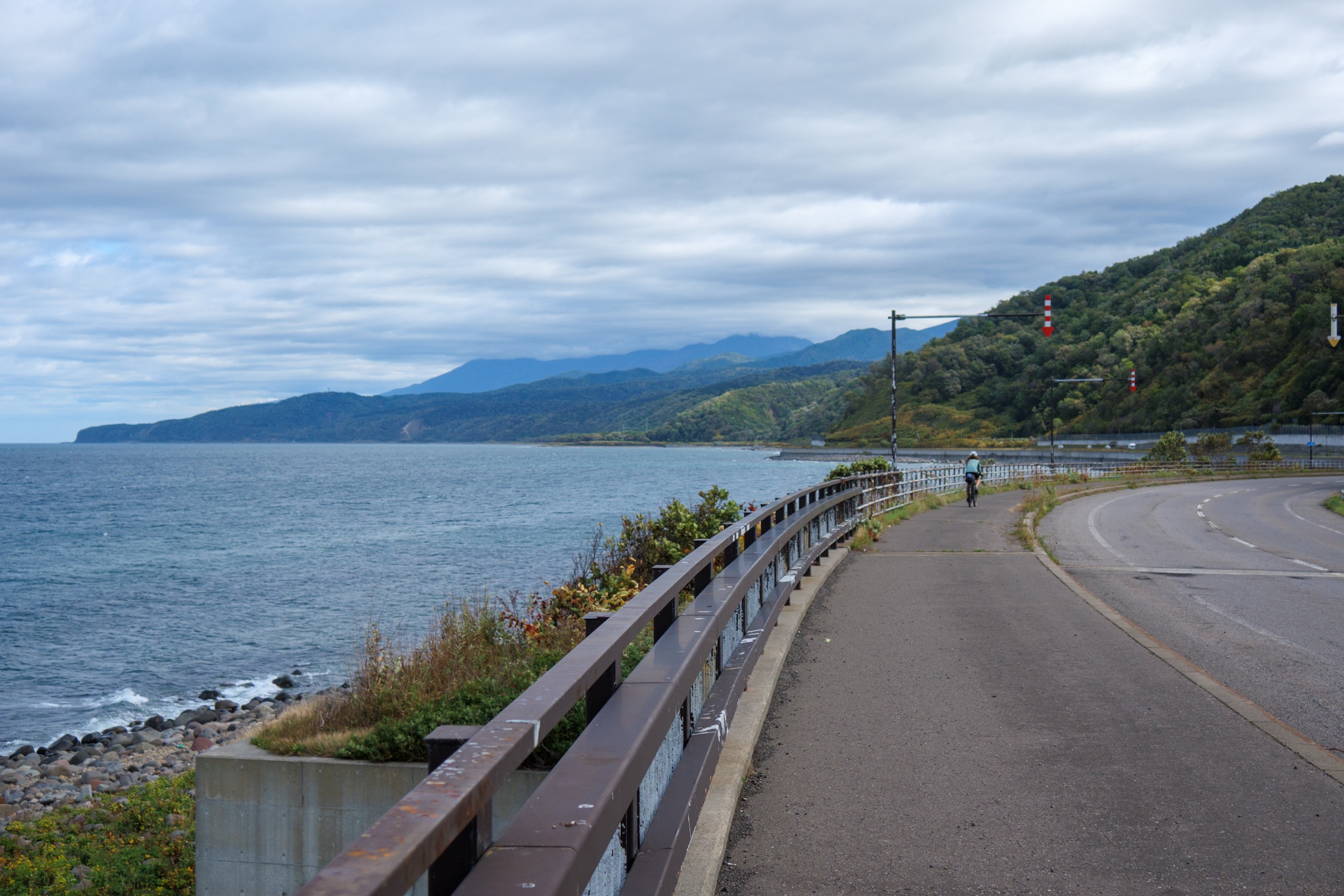
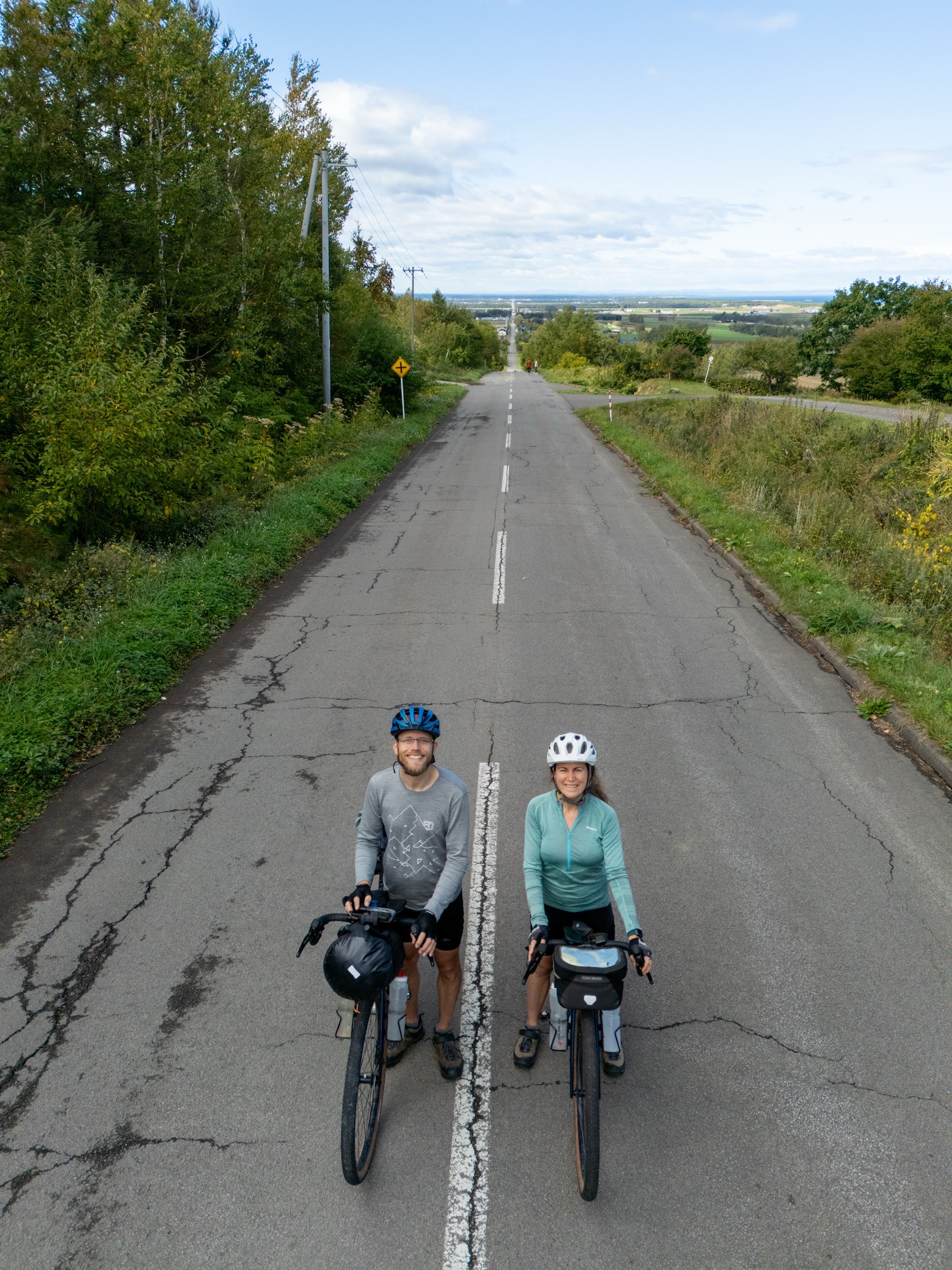
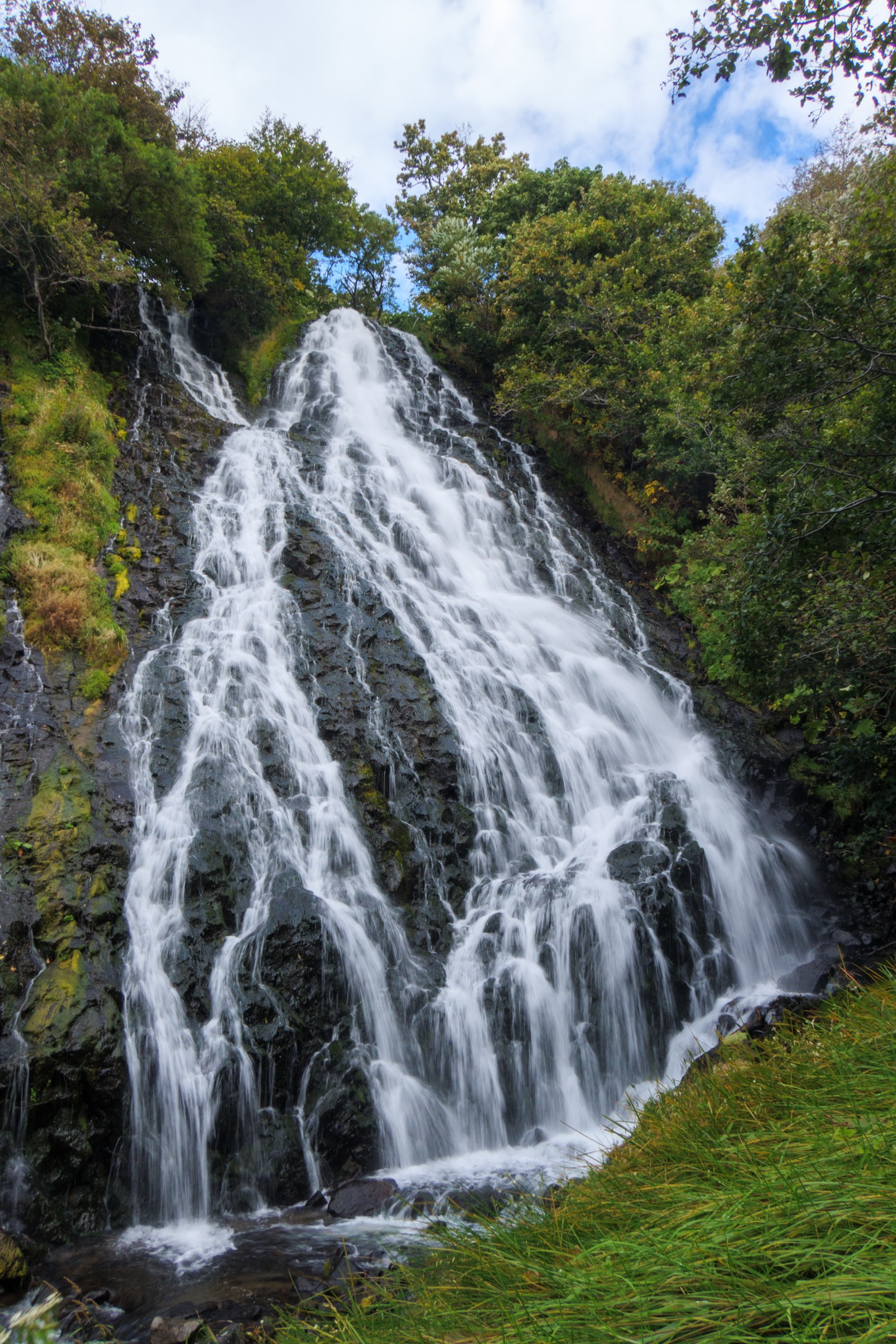
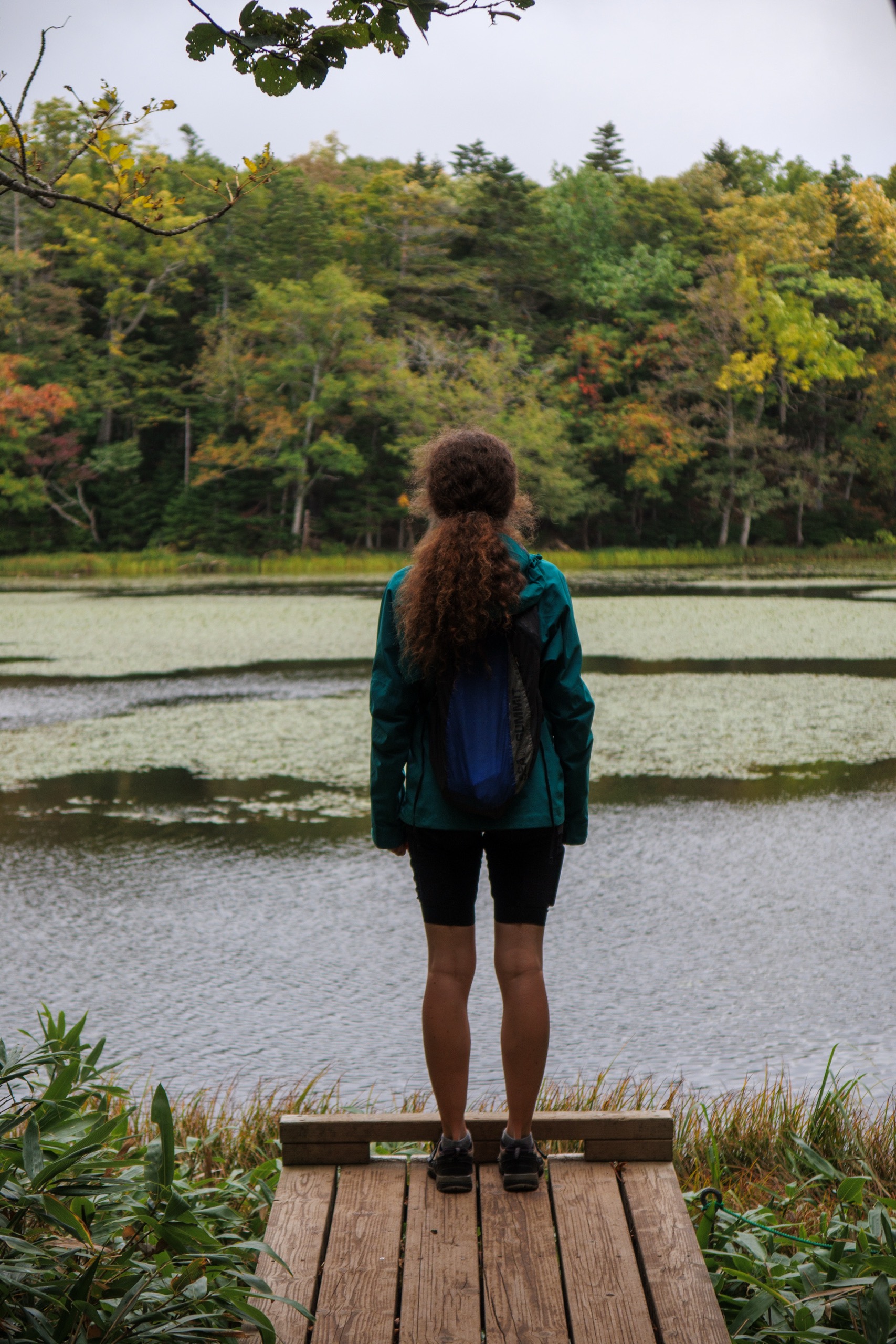
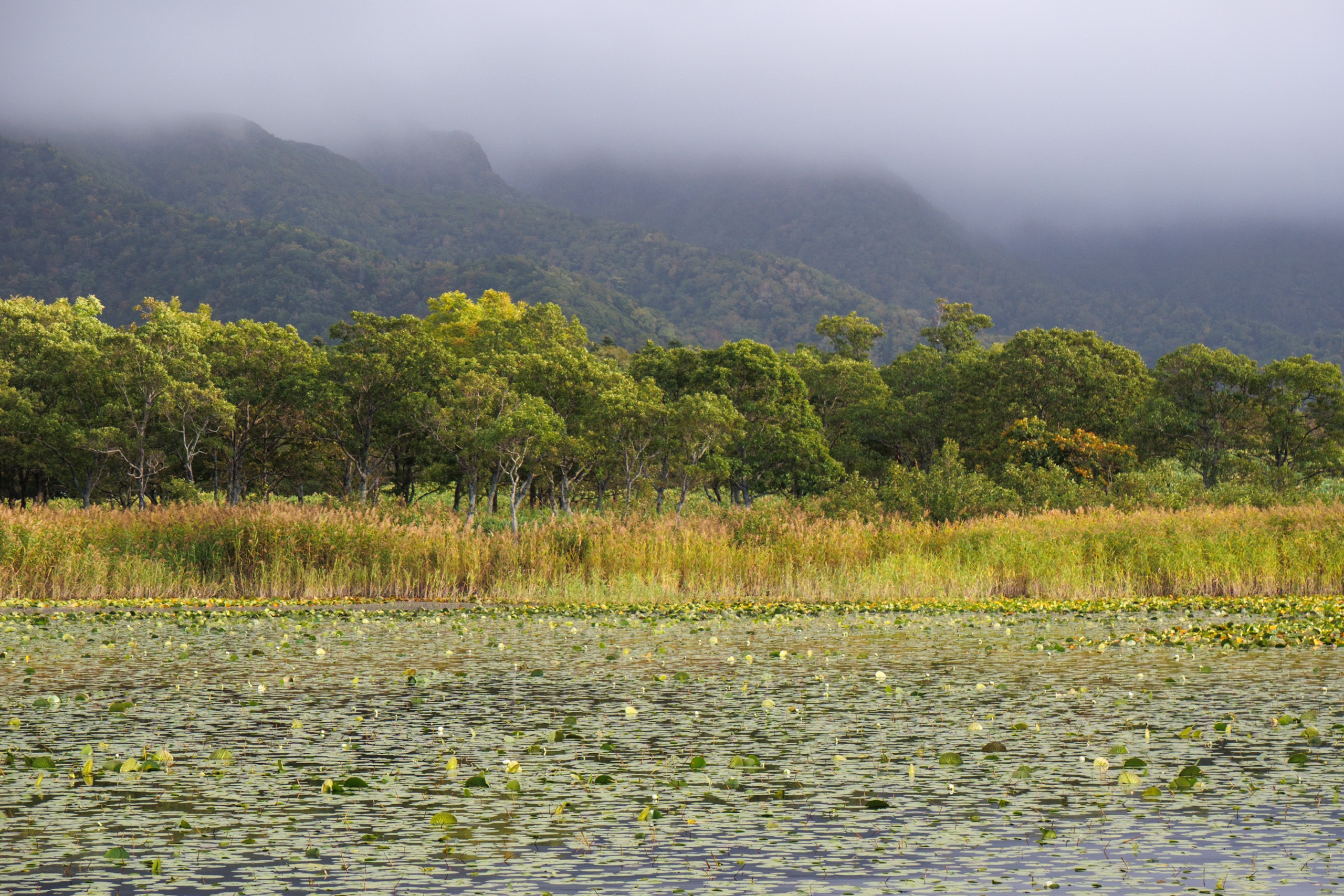
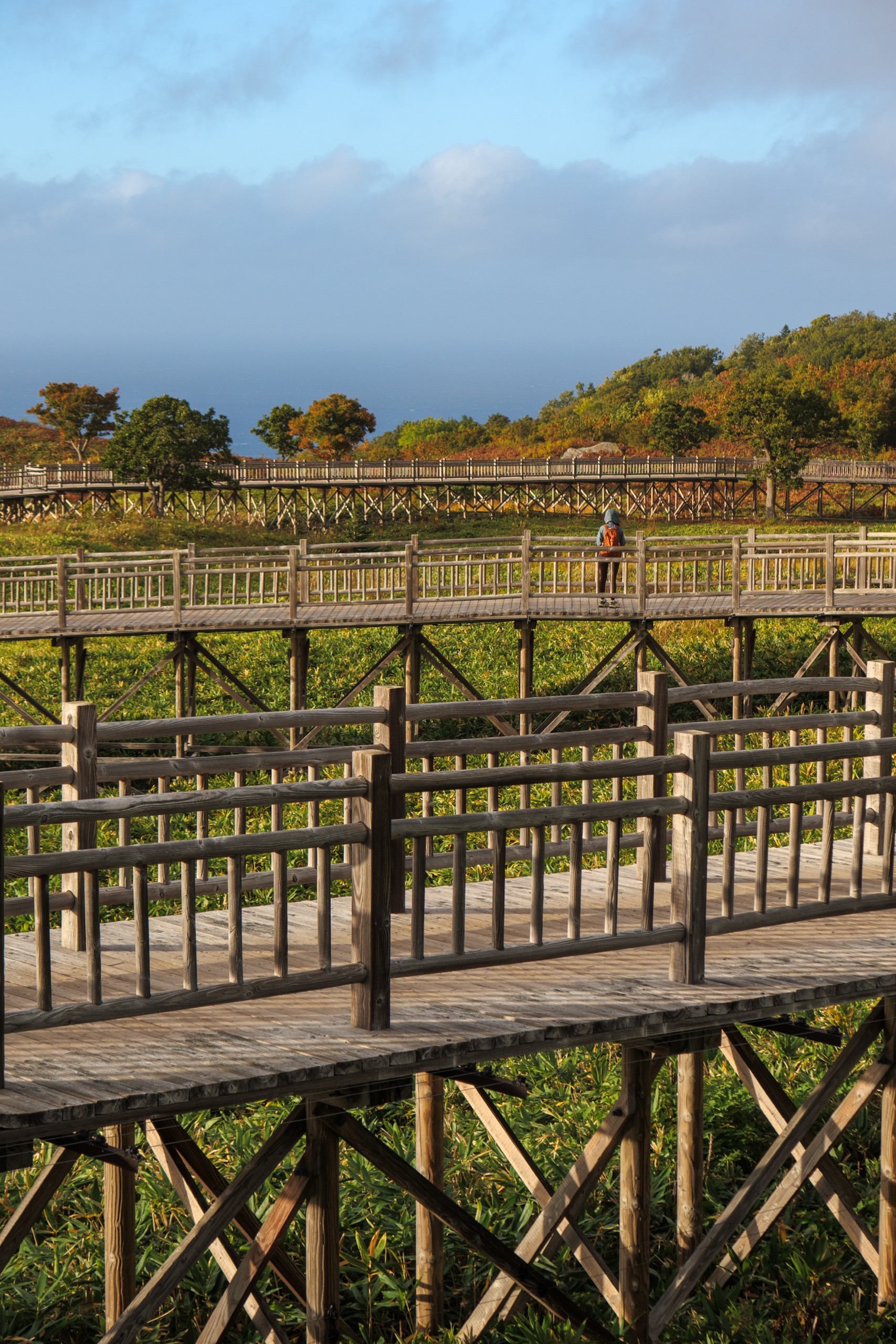
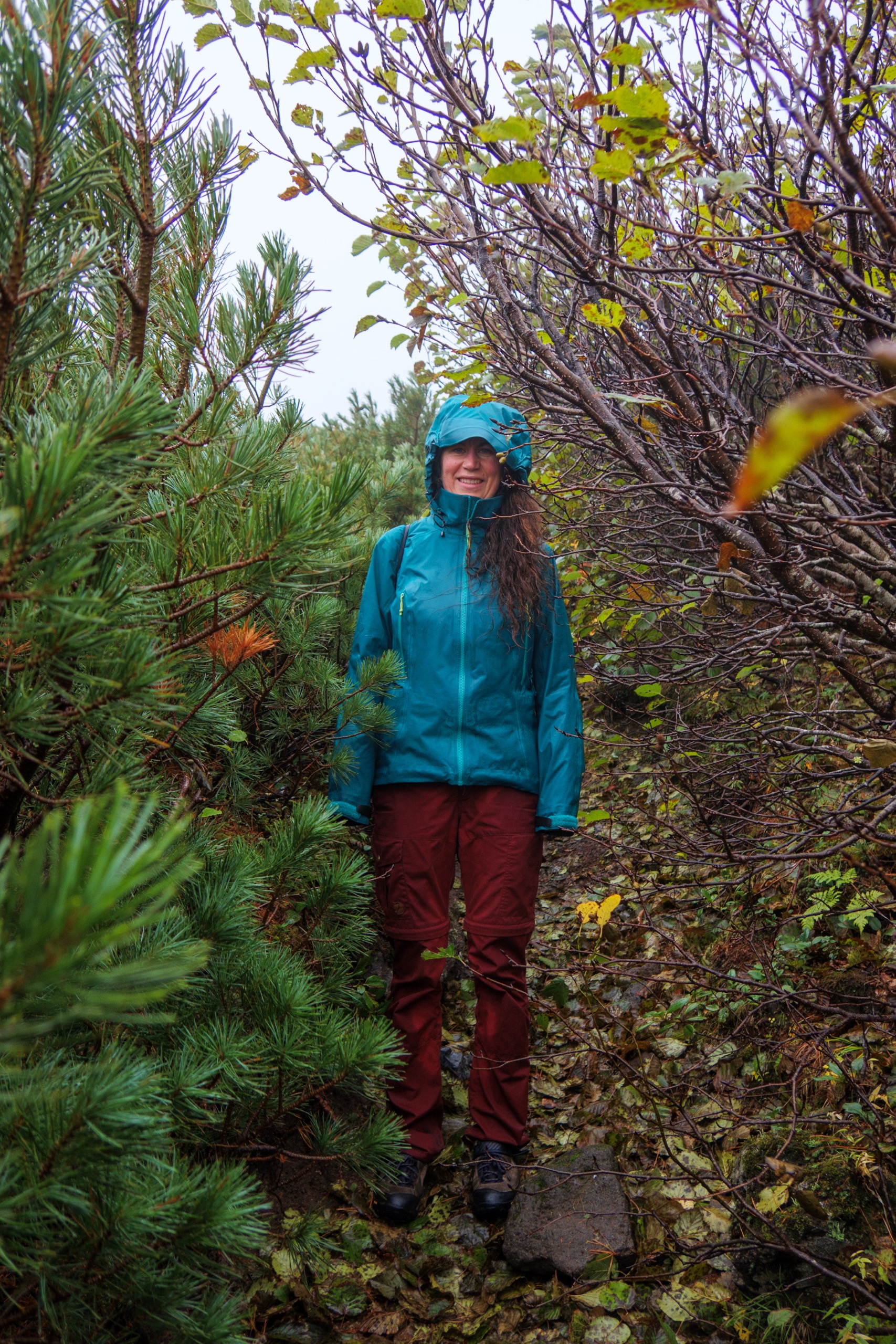
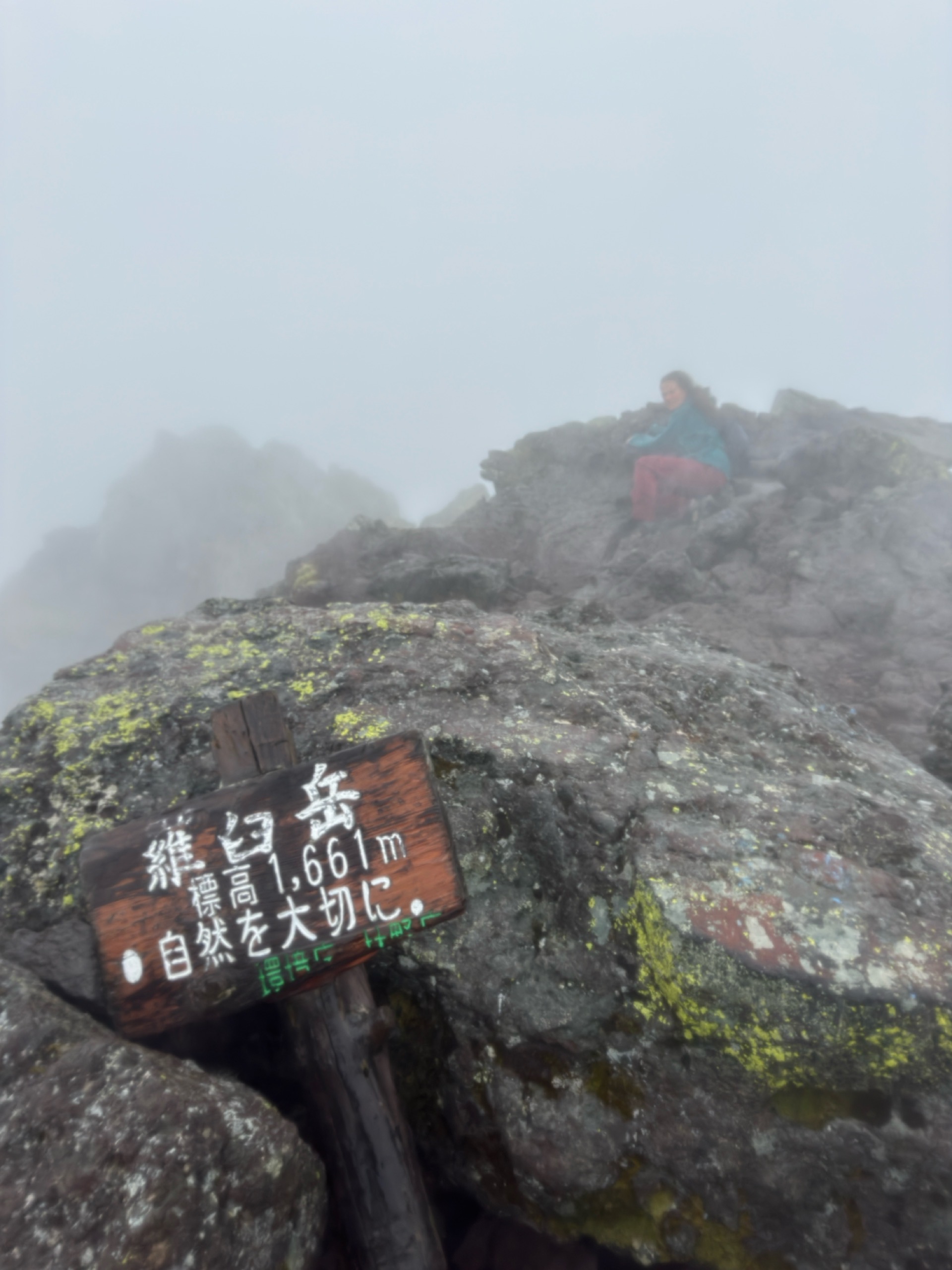
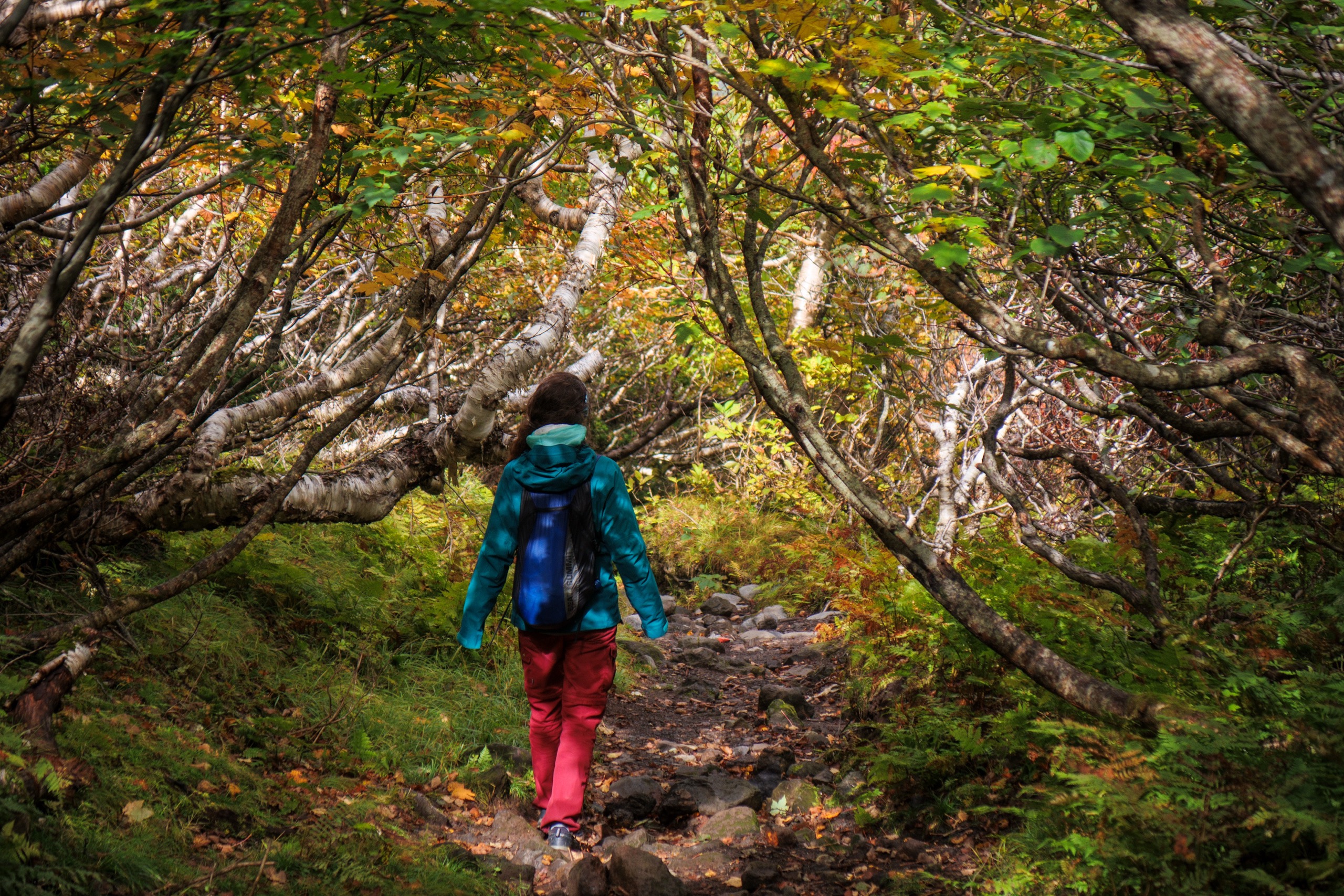
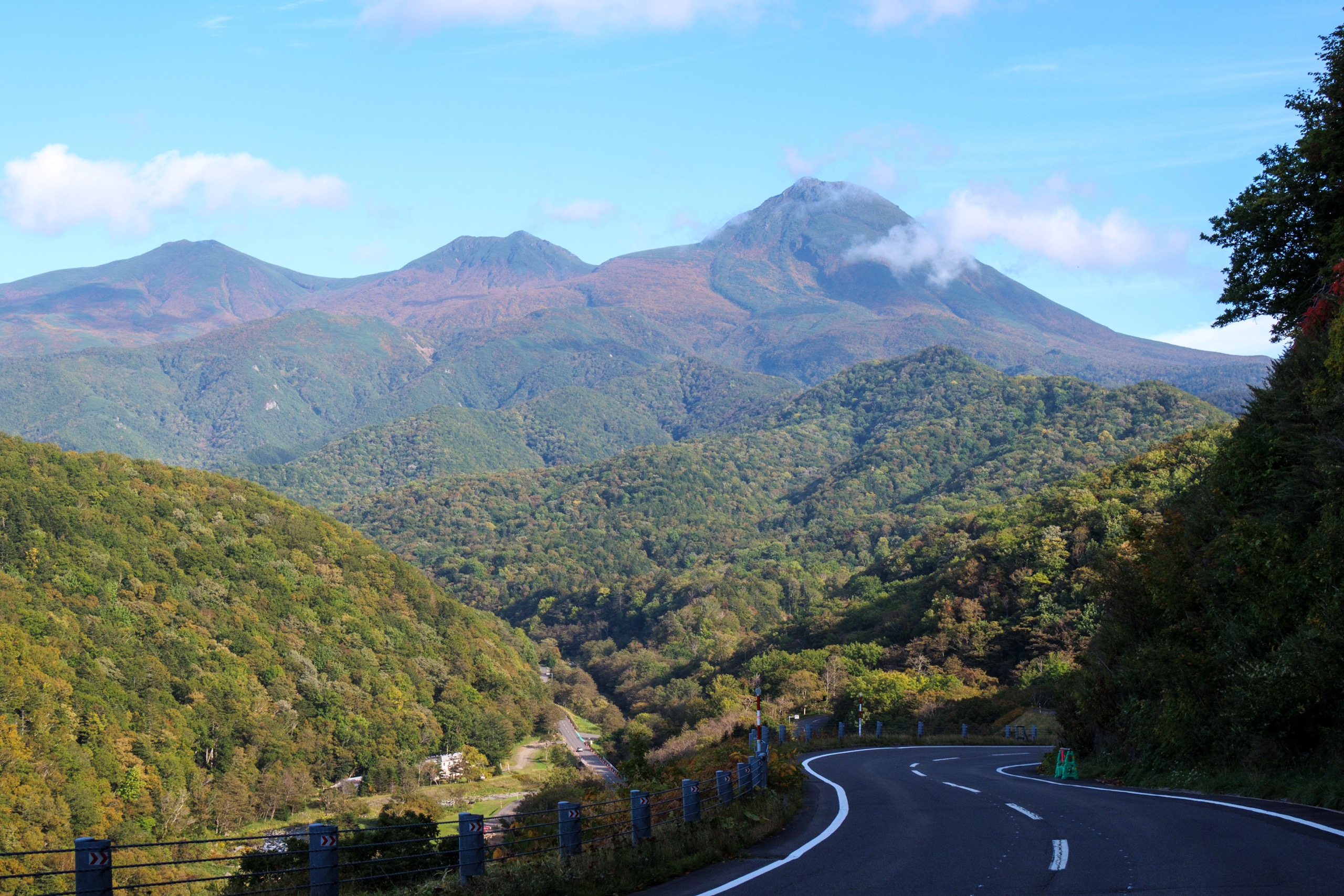
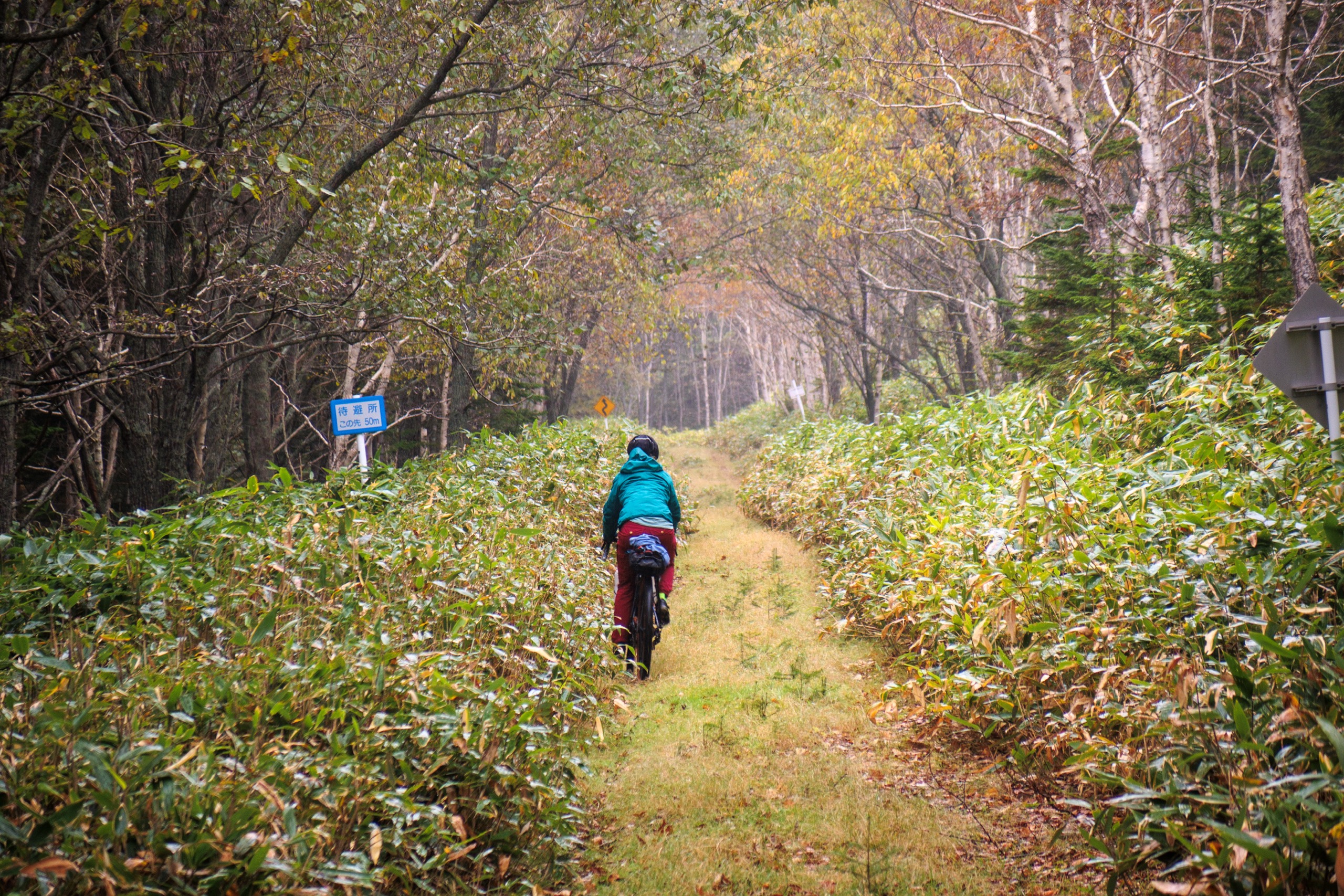
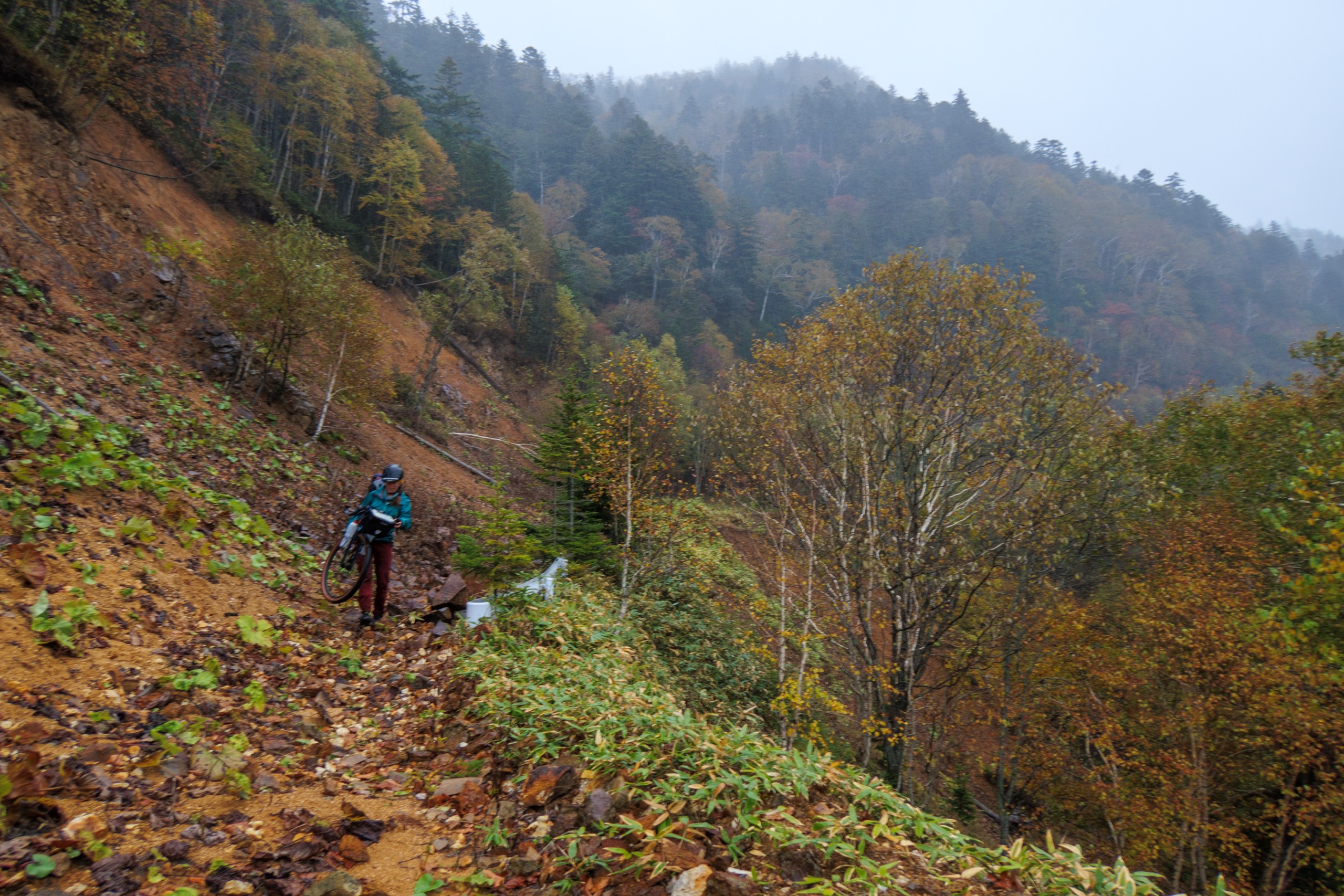
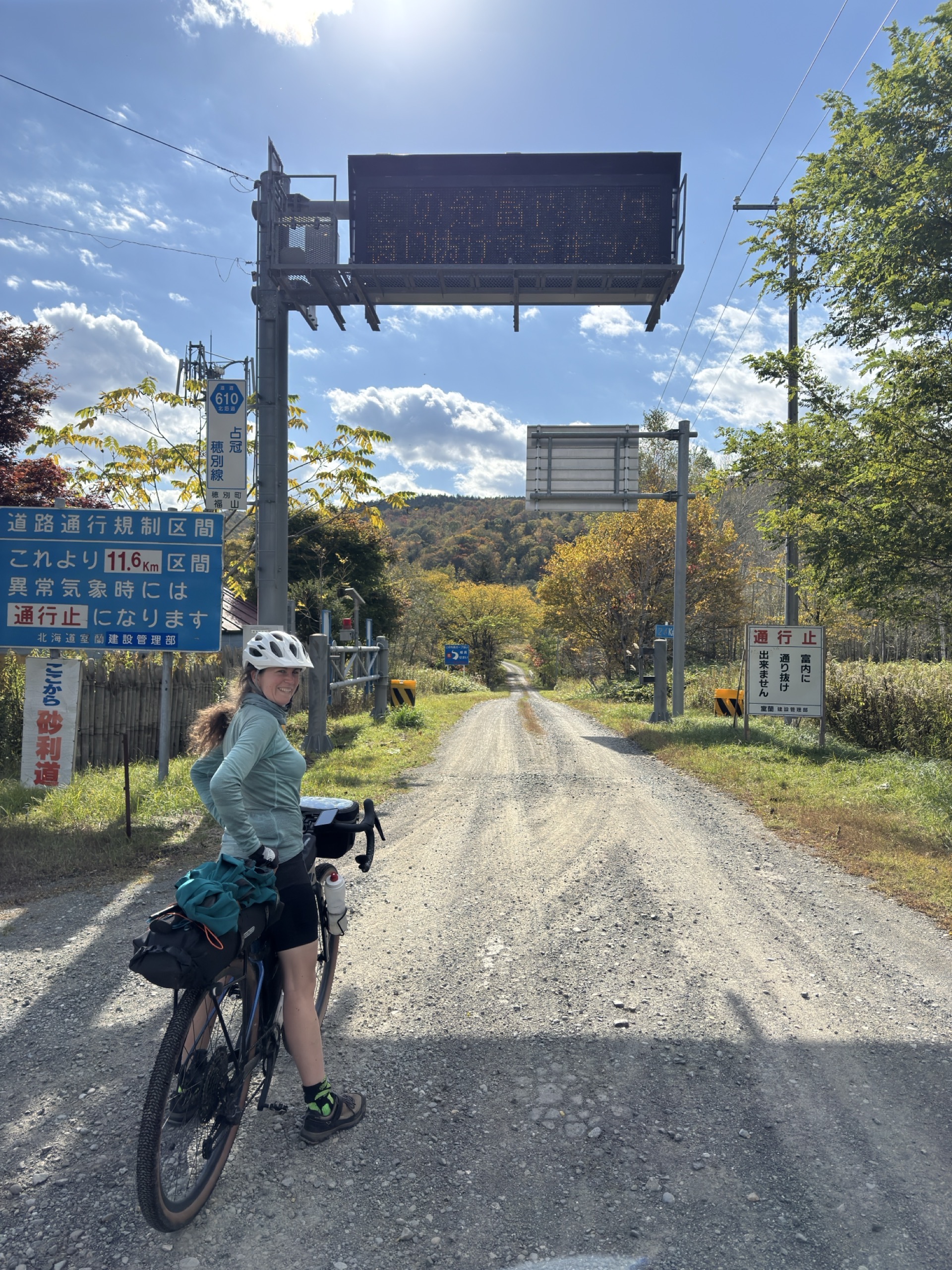
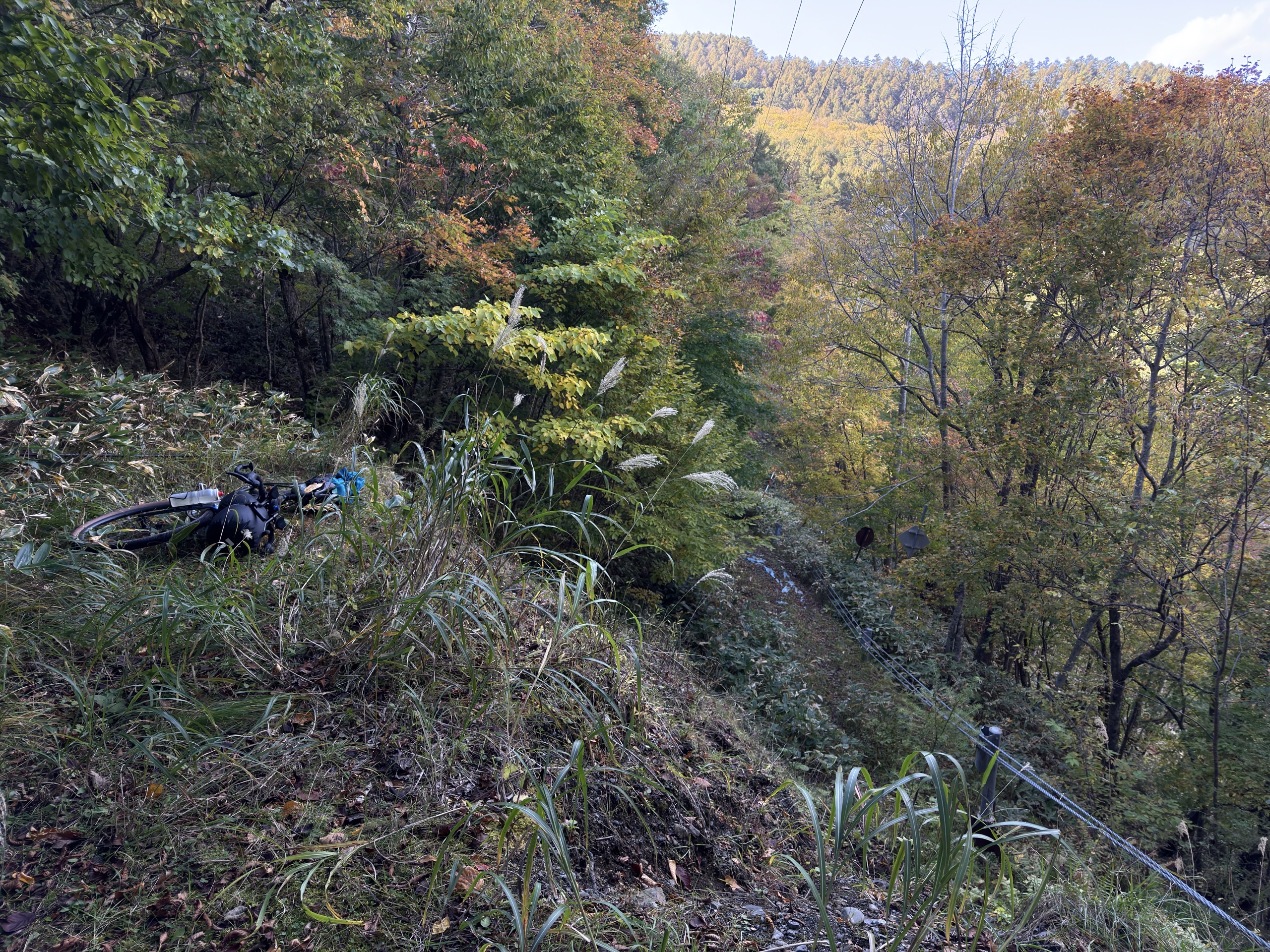
One day, we decide to take a shortcut over a closed road to an onsen hotel where we have a reservation. The weather is bad, foggy and wet, and the road is in terrible (but doable) condition. Several times we have to push or carry our bicycles over landslides and loose rocks covering the road. In other places, nature has almost completely reclaimed it, leaving only a narrow passage, just about wide enough for our bicycles.
We know that our hotel is supposed to be on the other side of this closed road, but slowly doubt starts creeping in. It seems increasingly impossible that this path could actually lead anywhere, let alone to an operating hotel. The whole thing starts to remind us of Spirited Away, a Japanese animated movie we watched on our flight here, in which a family follows an increasingly deserted road and ends up in a mysterious world inhabited by spirits.
And then, suddenly, a dim light appears through the fog. An old building. And then a human!
The receptionist looks just as flabbergasted as we feel. It takes her a moment to realize that the two wet creatures emerging from the thick fog are actually guests (on bicycles!). But then she waves us on and hurries us toward the main building.
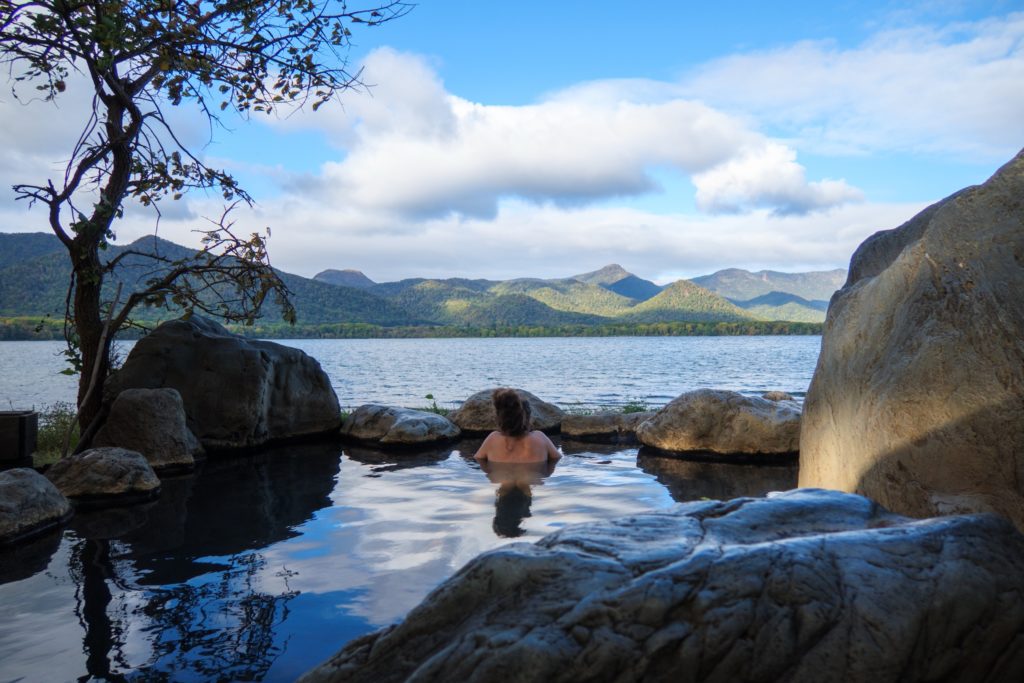
And suddenly, we are standing in a warm and welcoming hotel, slightly fallen out of time, in the middle of nowhere. We enjoy a hot bath in their onsen and a delicious dinner, wondering how this whole place can possibly exist at the end of that road.
Luckily, unlike in the movie, there are people and no demons or ghosts.
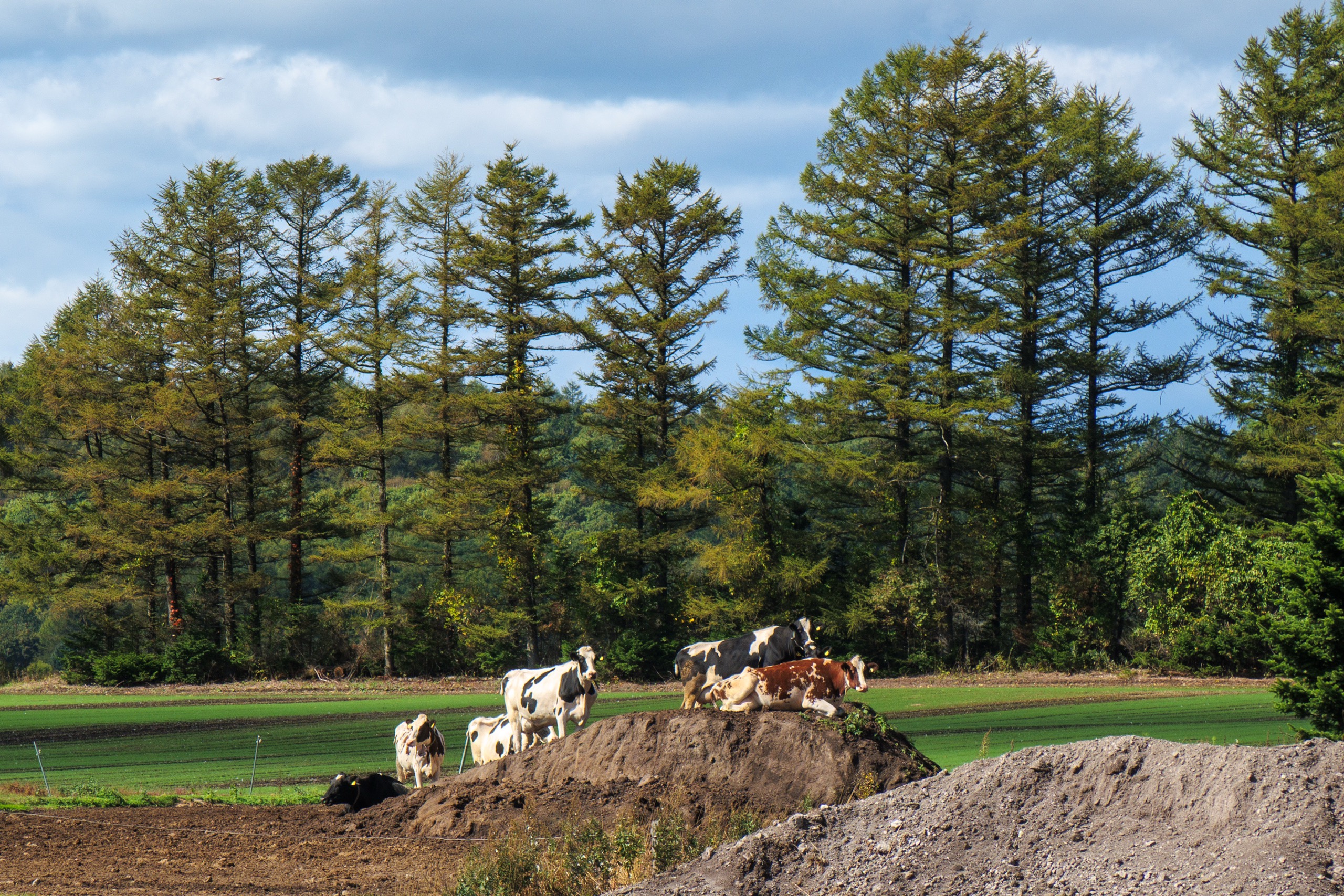
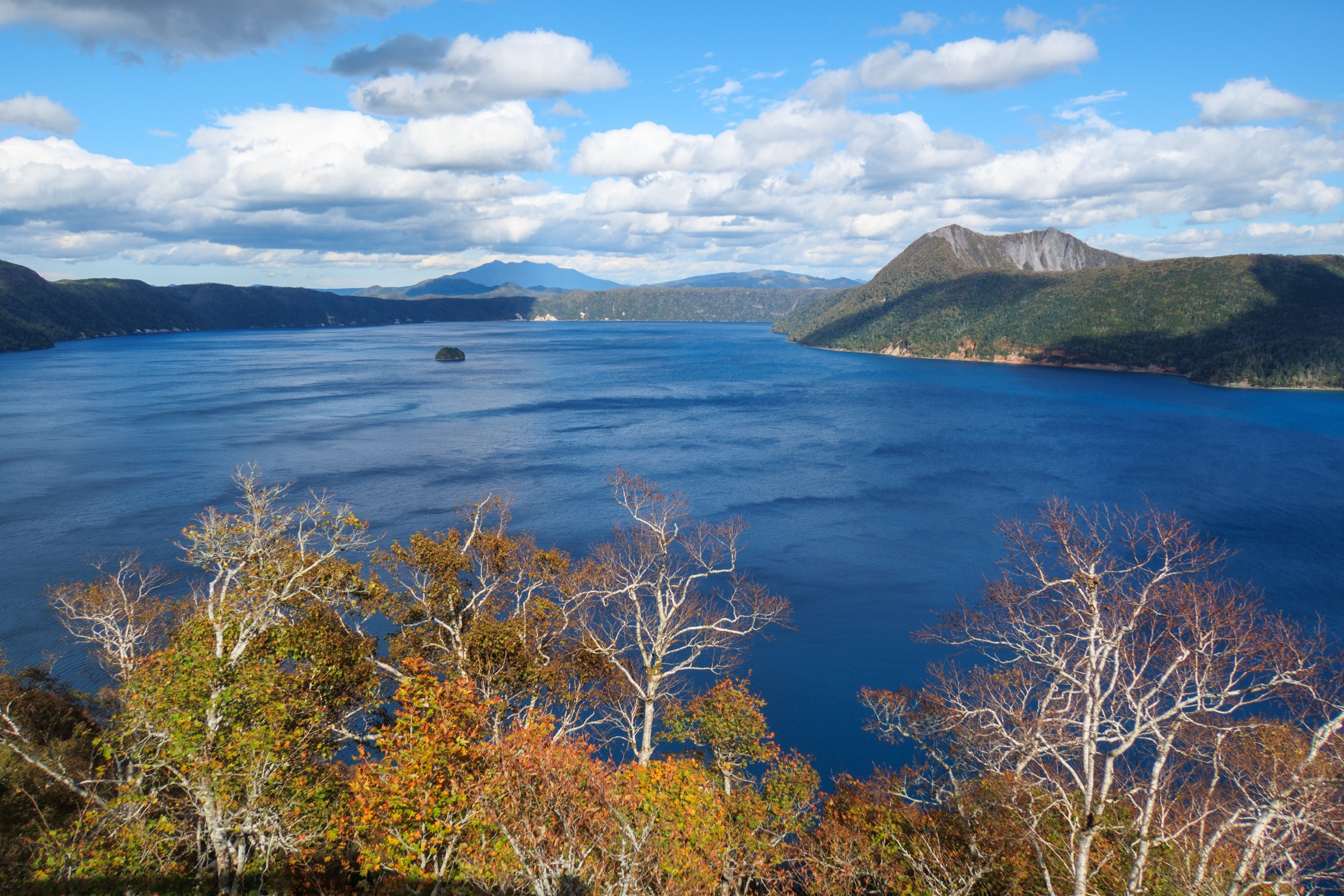
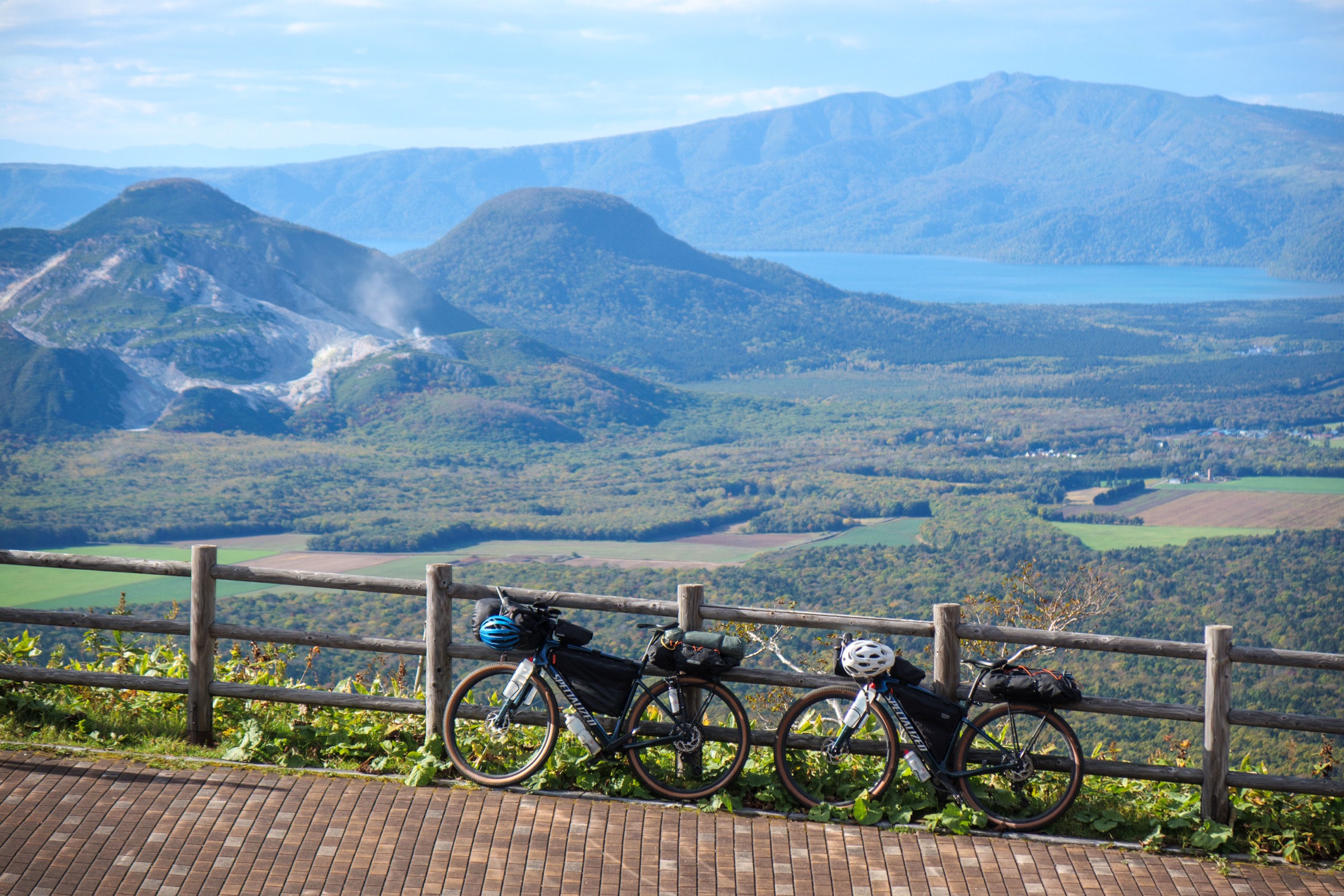
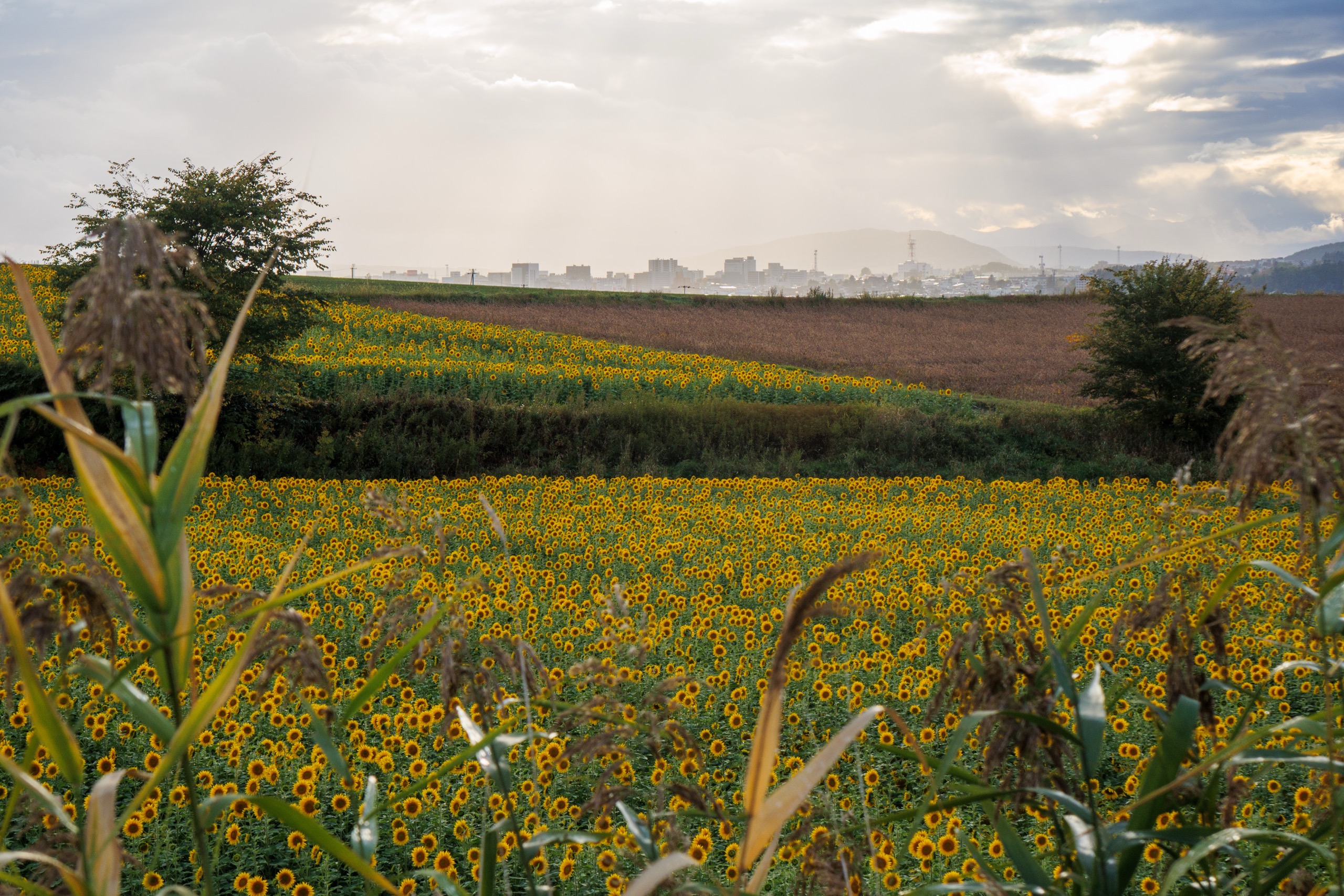
In other places, equally out of nowhere, there are suddenly these tourist hot spots where seemingly everyone has decided to gather.
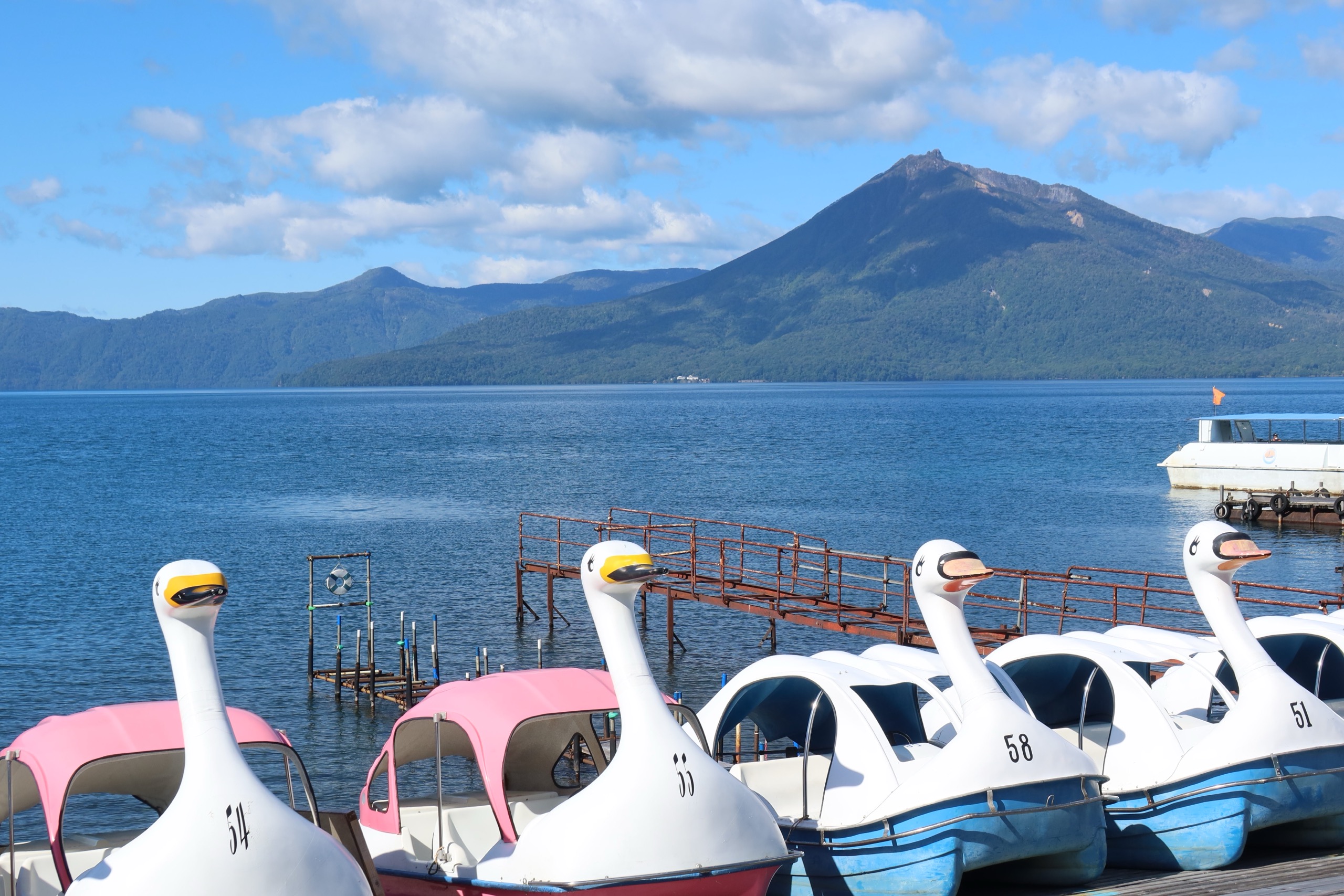
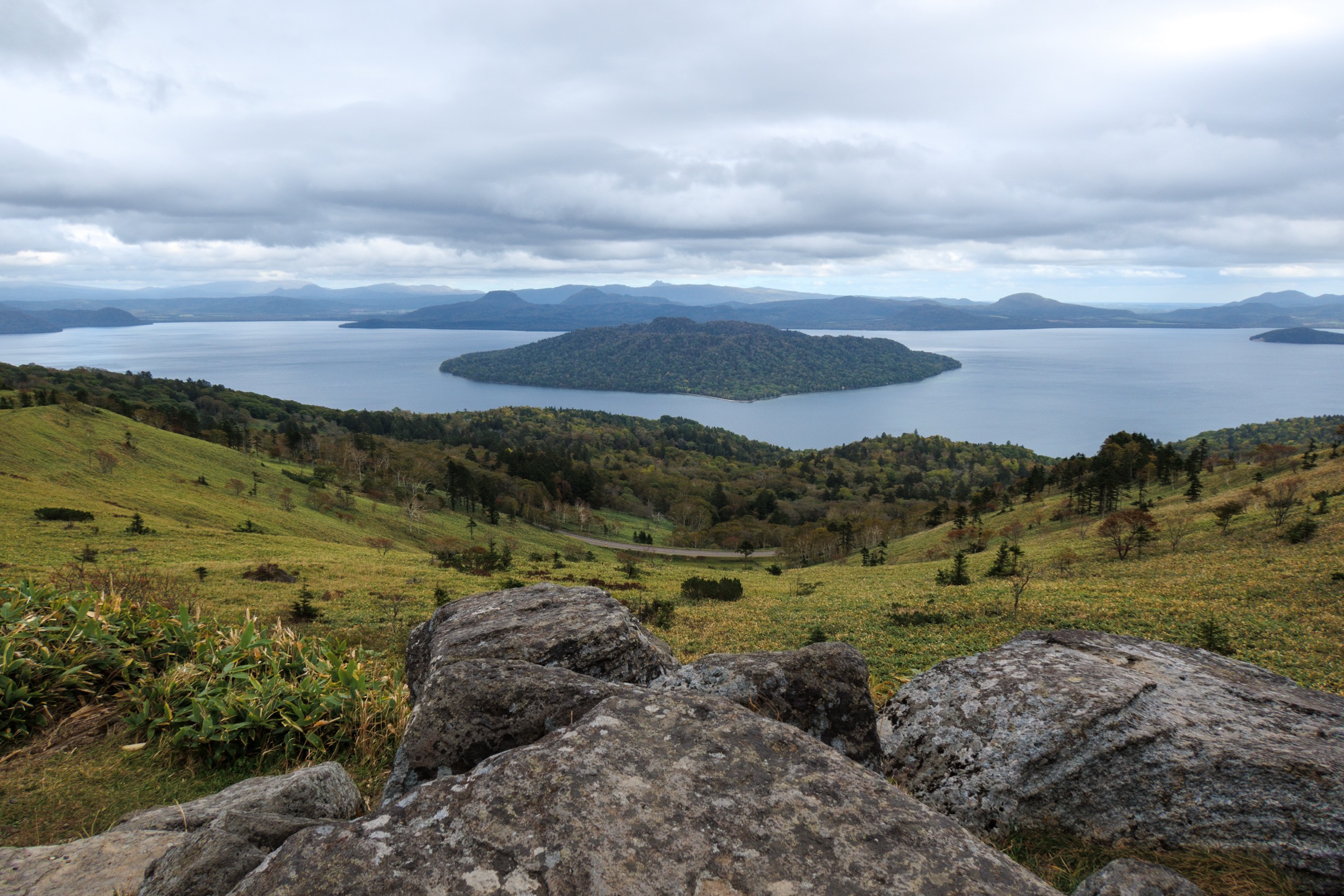
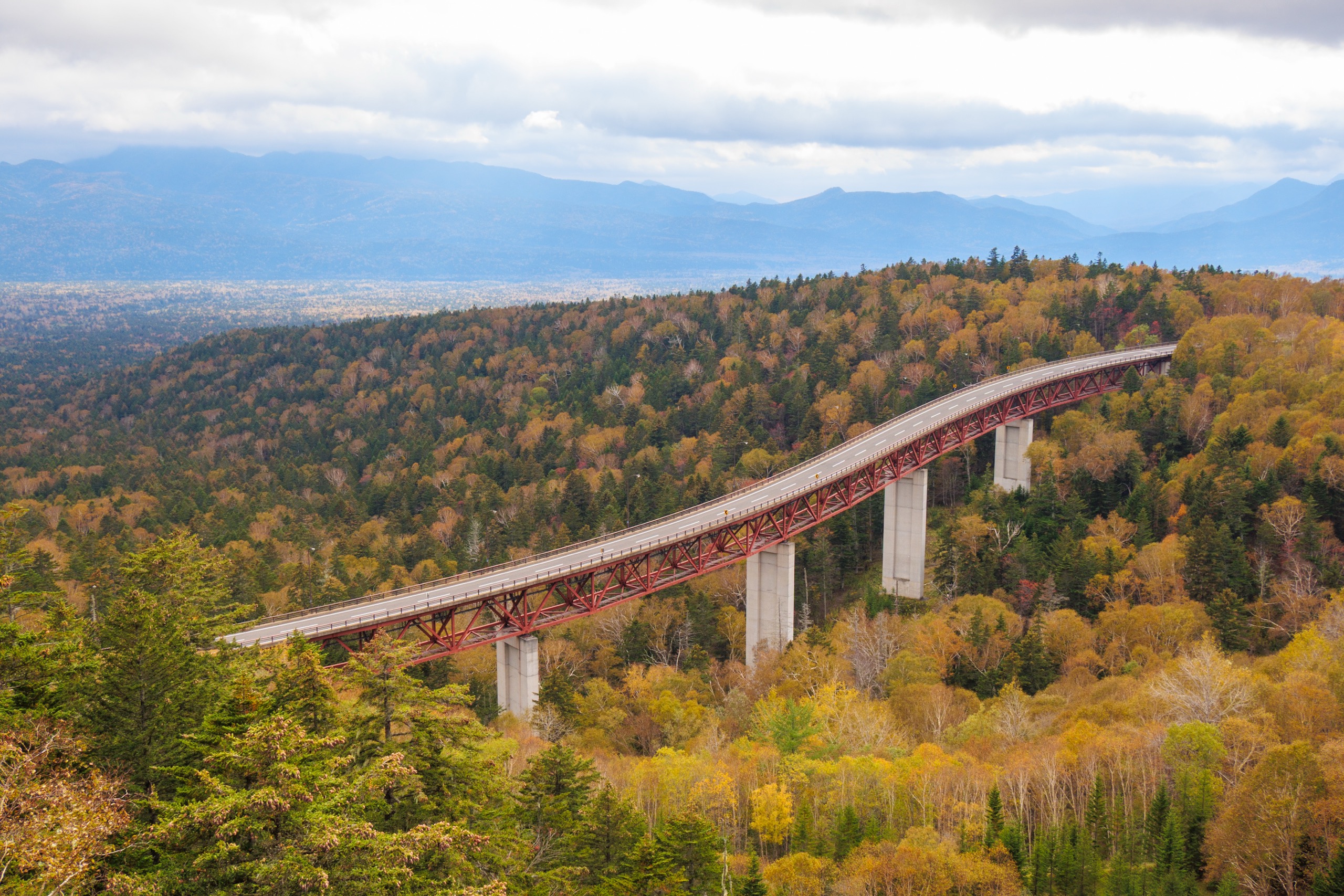
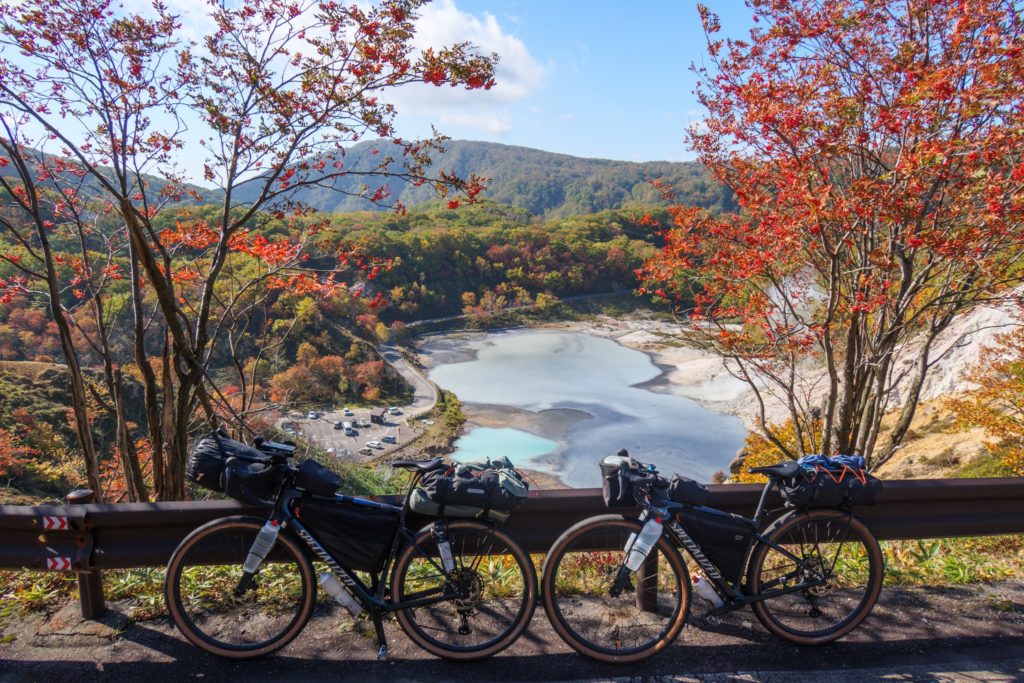
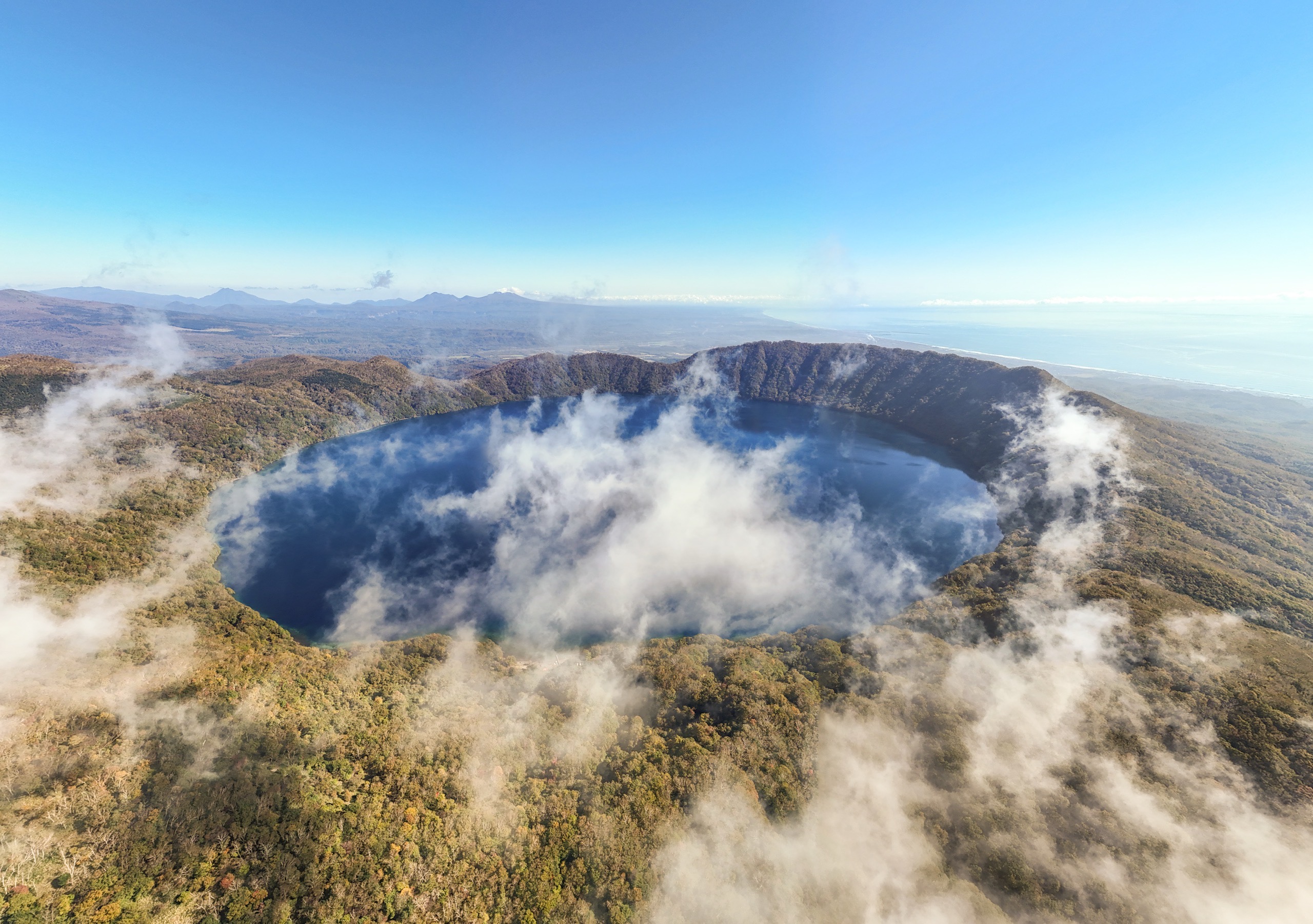
One thing I struggled with is perfectly illustrated by our visit to one of these tourist hot spots, Lake Mashu, a beautiful caldera lake famous for its exceptionally clear water. But do you think there is a way to actually reach the water? Of course not. A bench or a place for a picnic? Not here.
Instead, there is a huge parking area, an observatory viewing platform, and an enormous gift shop, selling souvenirs and, of course, cookies, each separately wrapped in plenty of plastic. There is one thing to do here: admire The View.
Now, don’t get me wrong. It is a beautiful view, and would be even more so with a little sunshine. But I seem to want more from a lake than just looking at it: an adventure, or somewhere to walk, sit, or have a picnic. One interpretation that helped me make sense of my frustration was that I want nature to offer possibilities, whereas many places we encountered in Japan seem arranged around one particular experience. Here, The View.
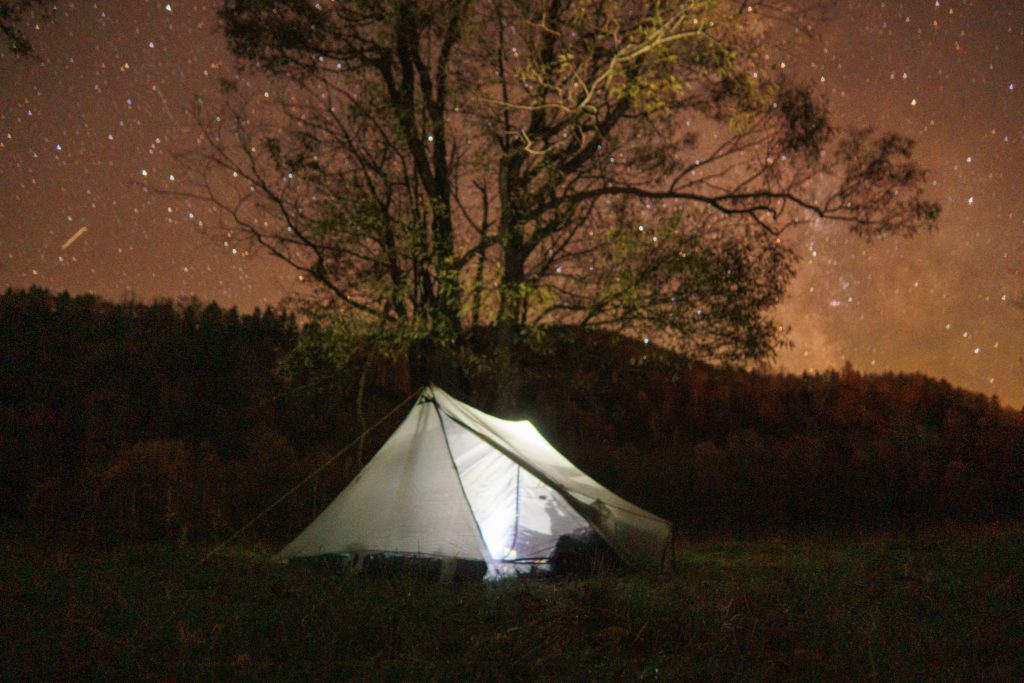
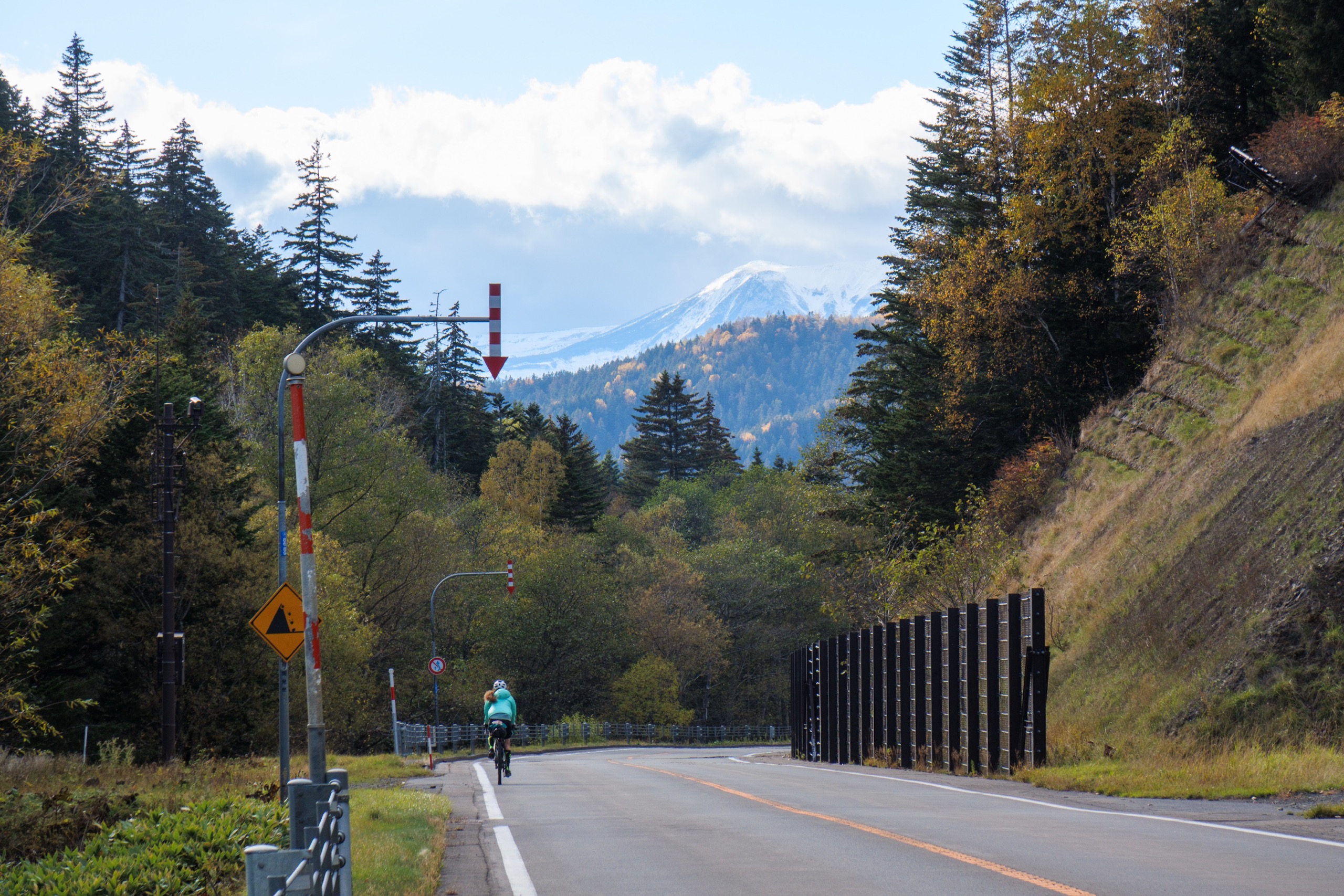
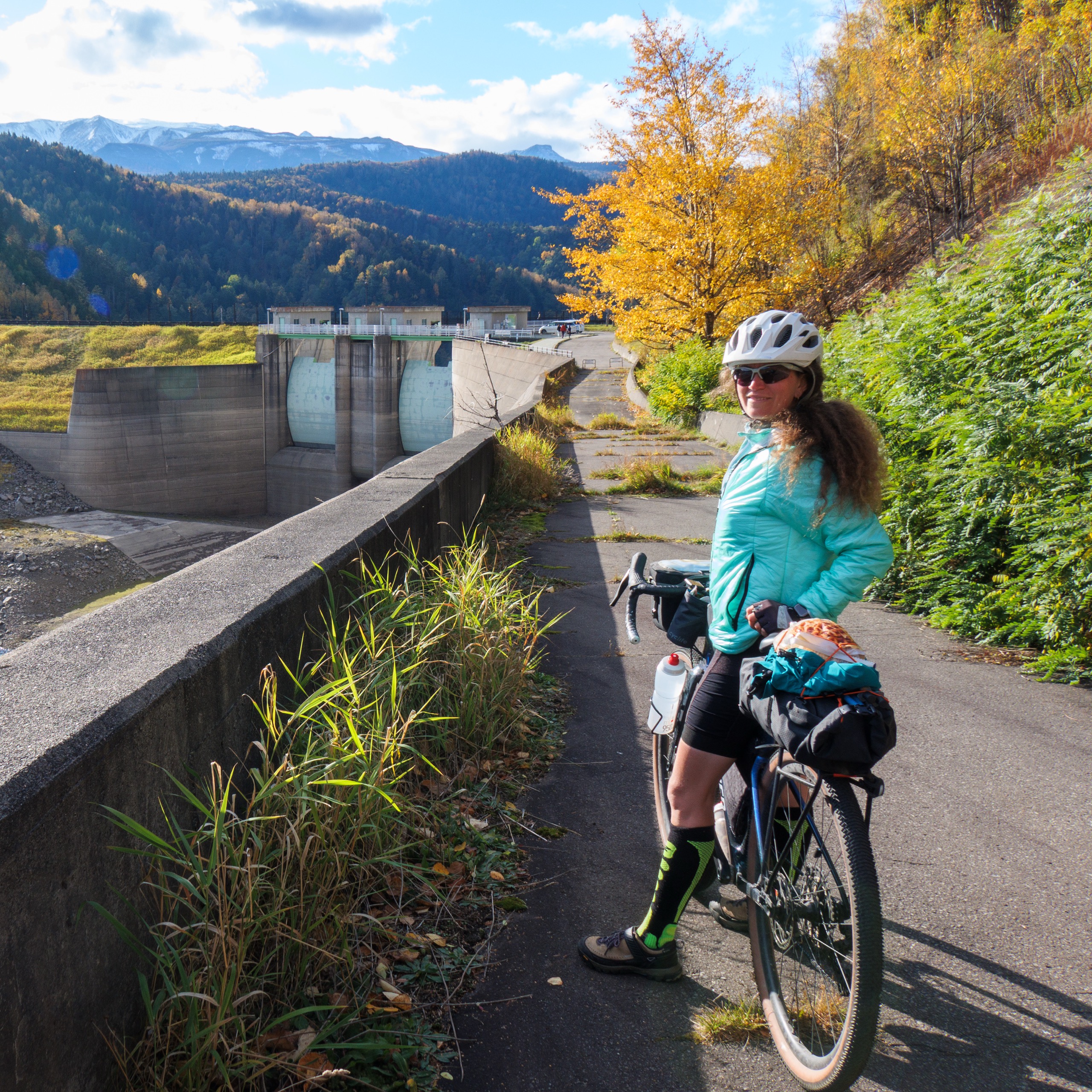
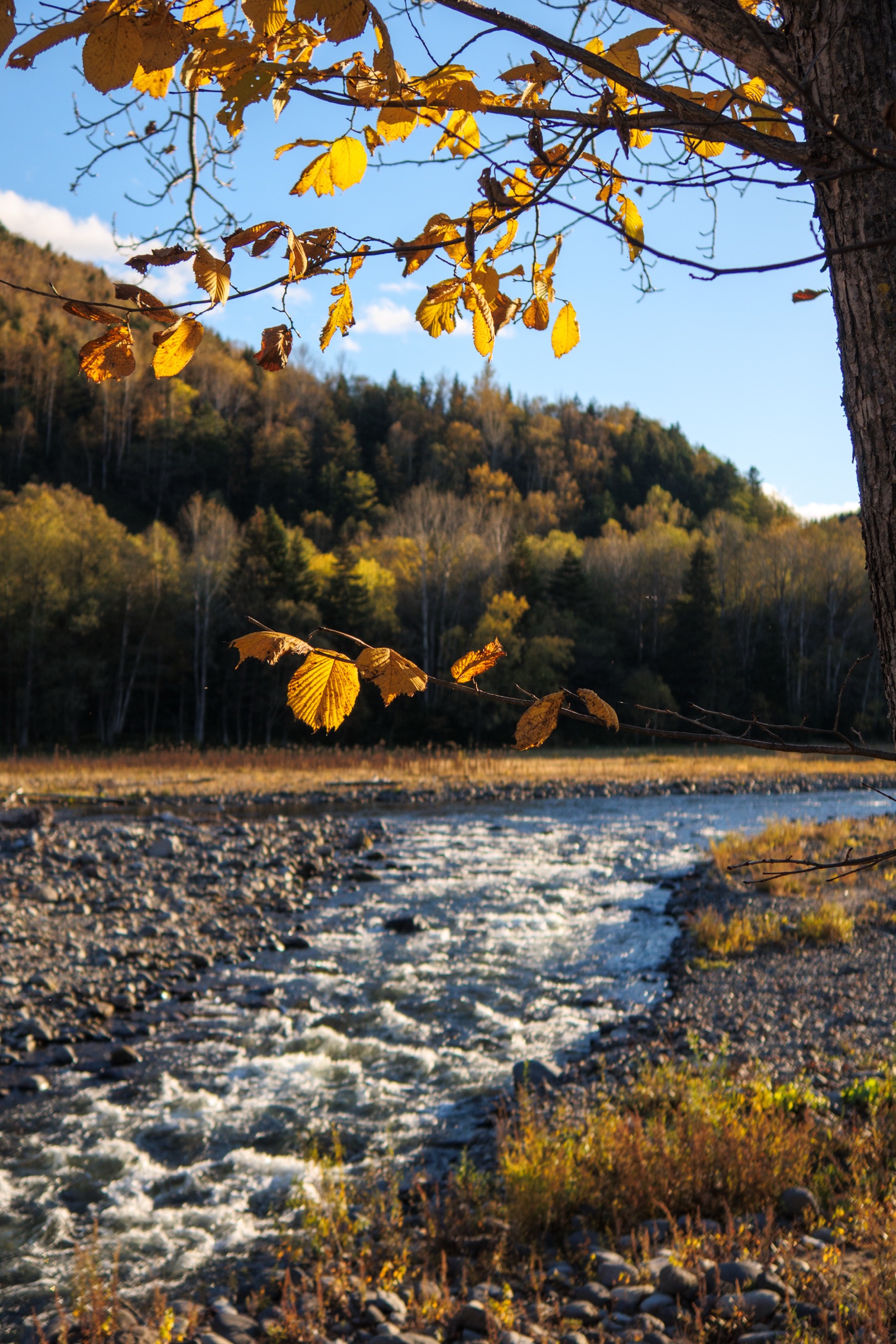
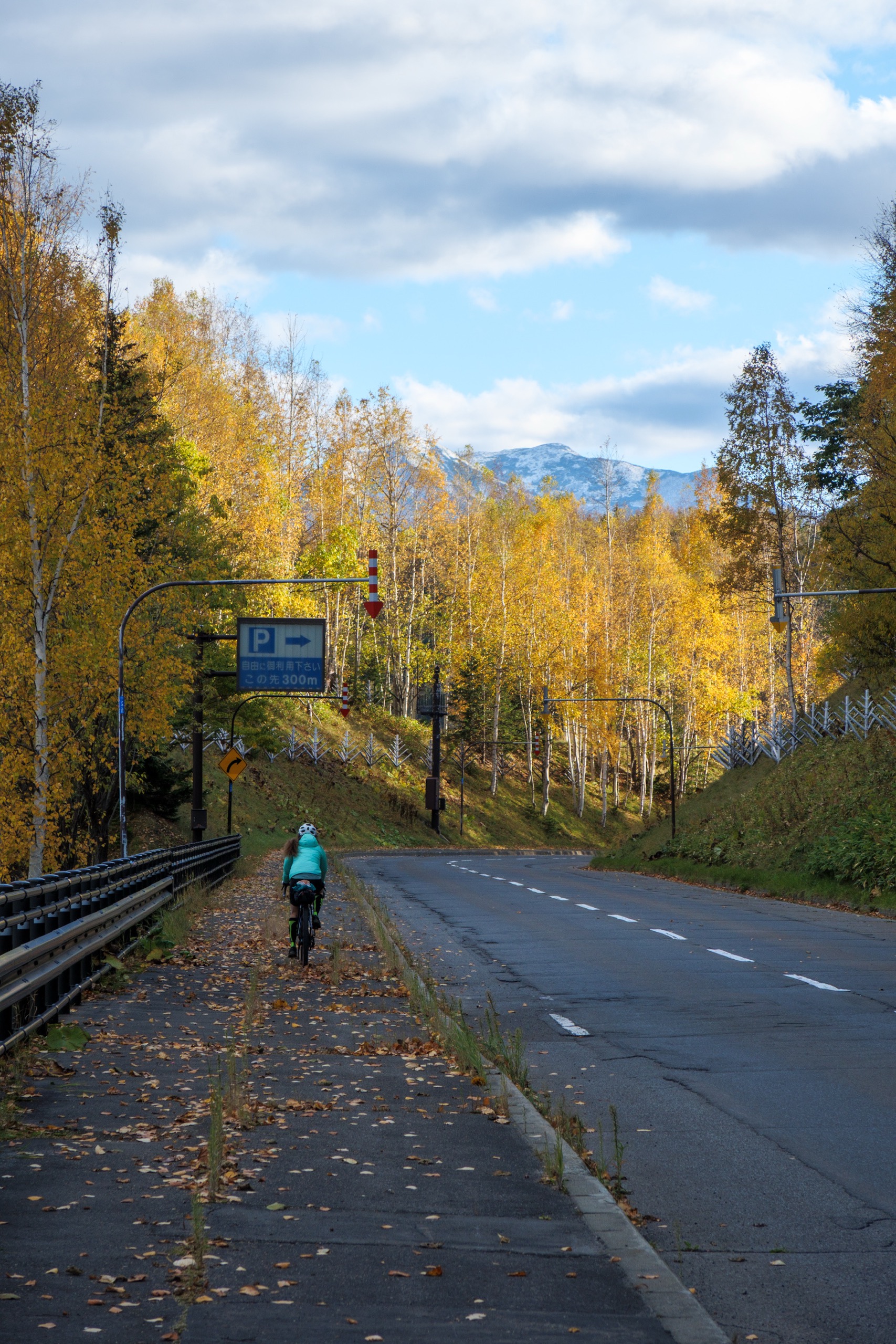
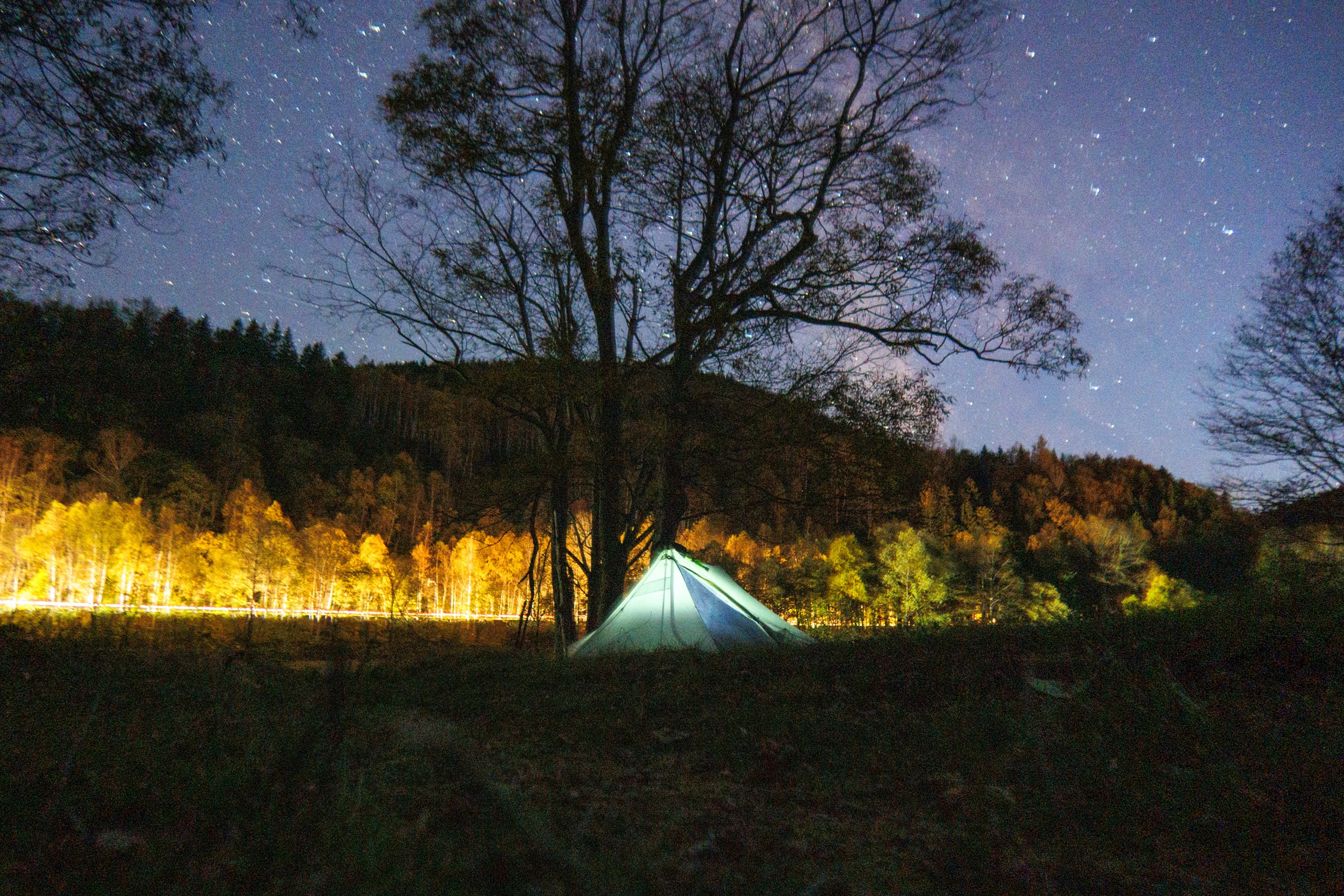
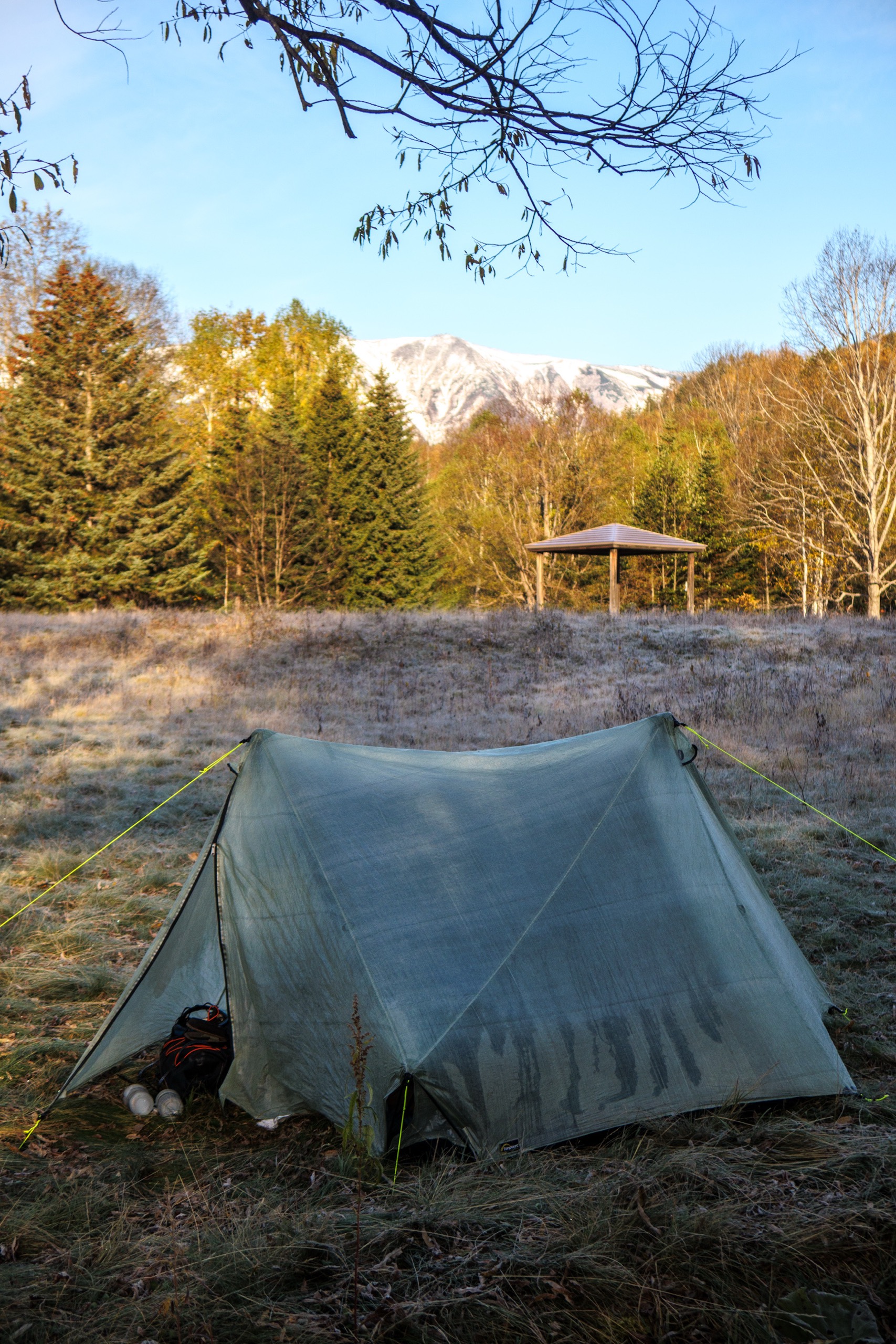
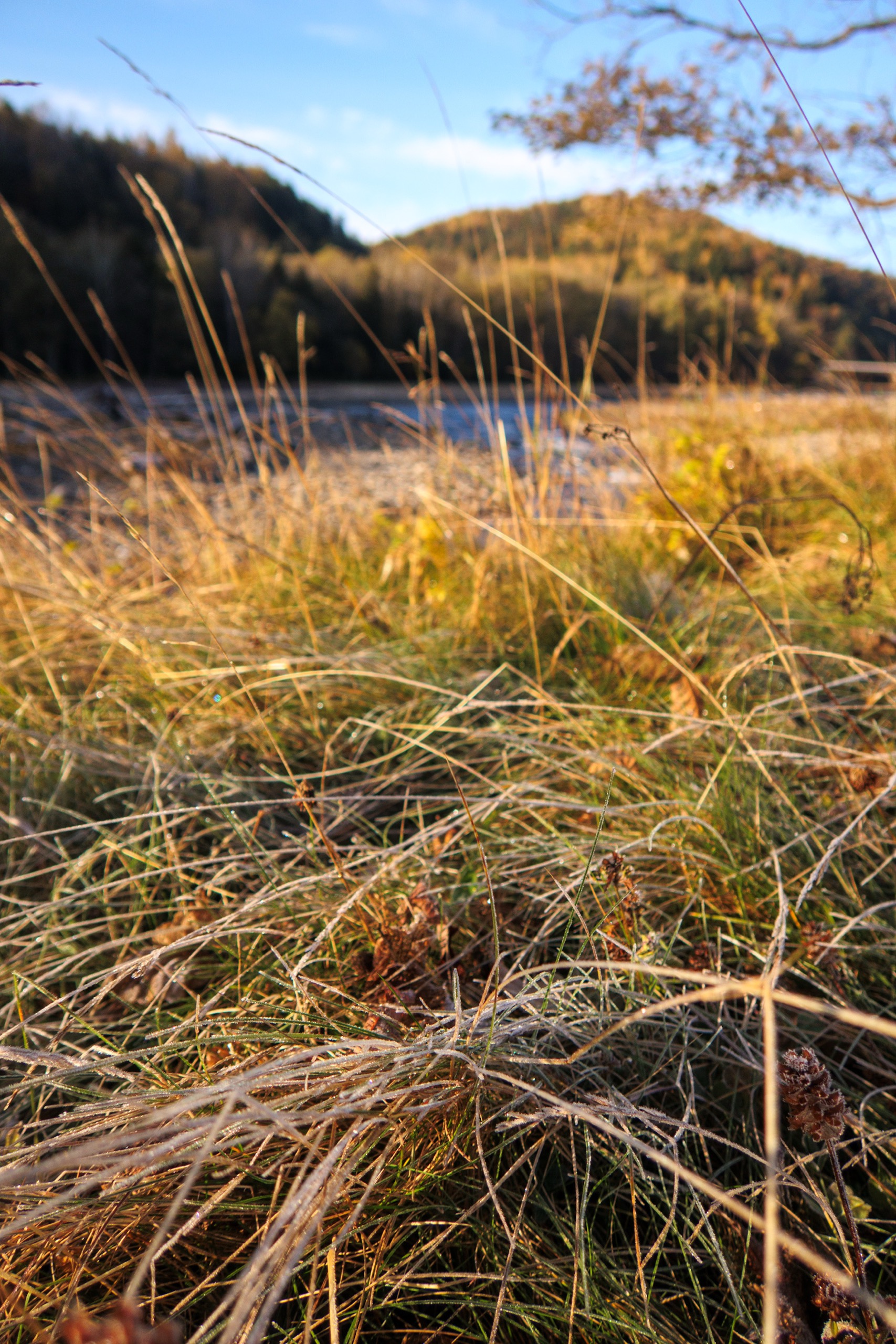
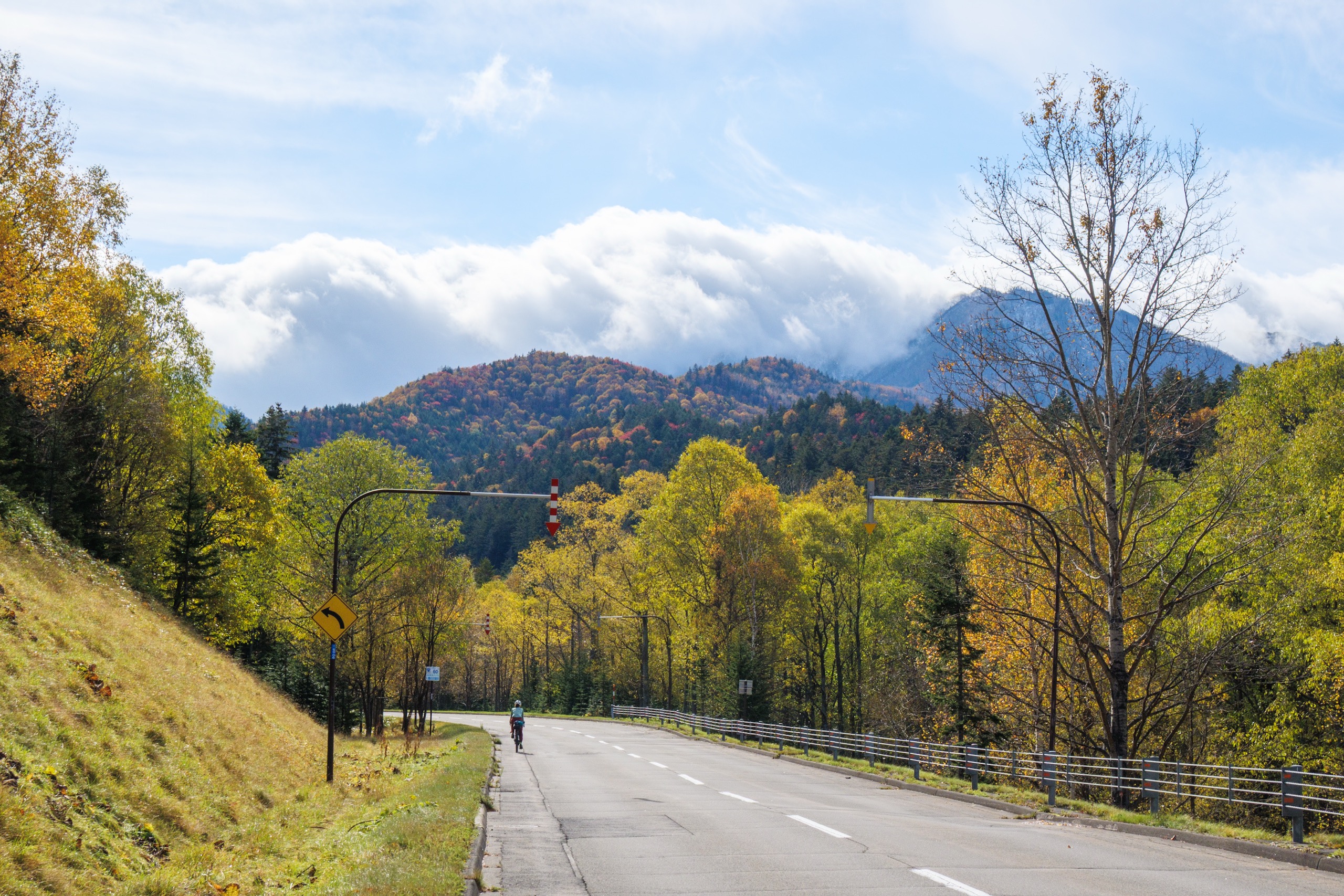
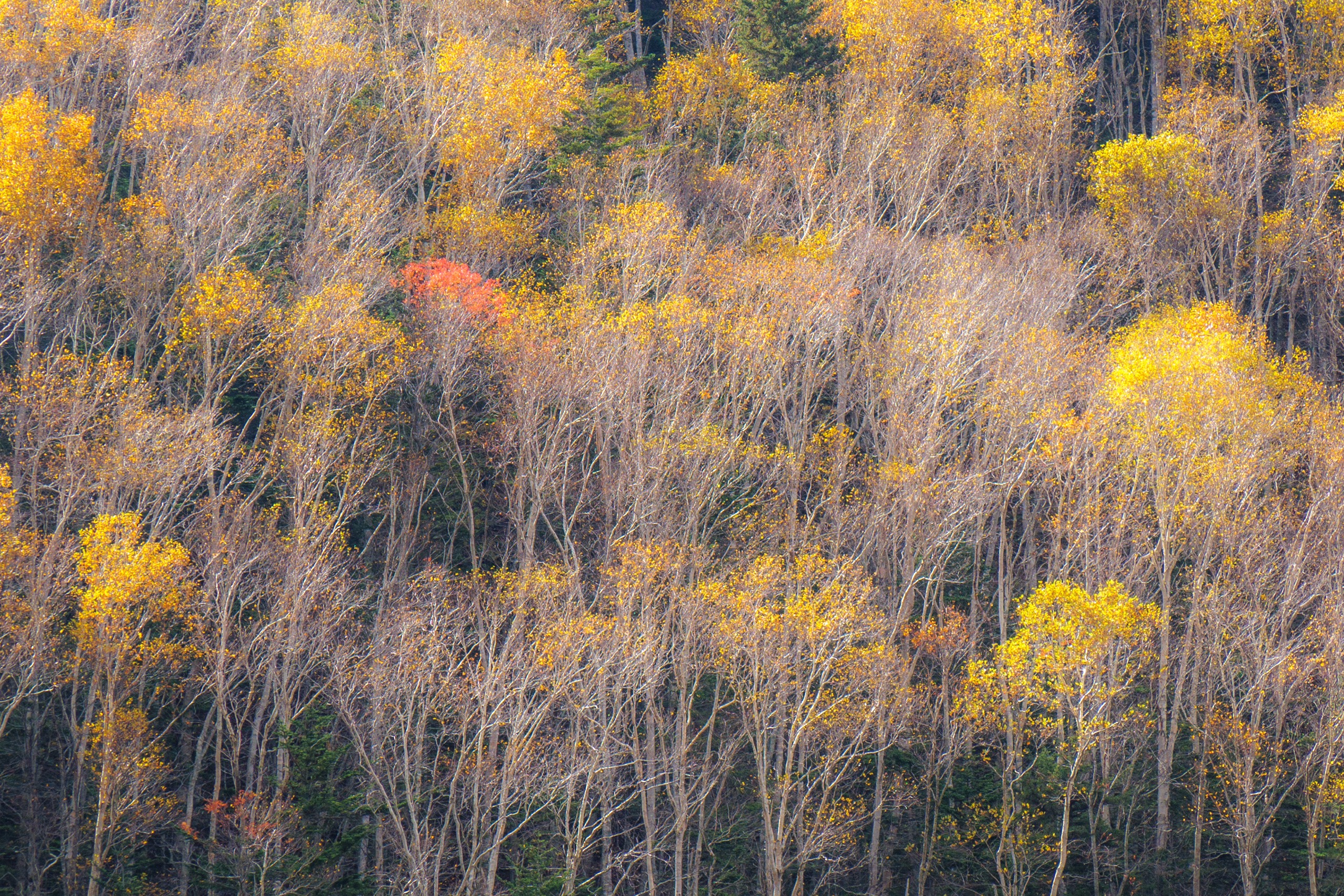
It’s not that Japanese people don’t like having picnics by the water. Of course they do! But for that, apparently, you go somewhere else. For example, to the Sorachi River, some 180 km southwest as the crow flies, where there are covered picnic tables, one after the other, all ready for a nice picnic by the water.
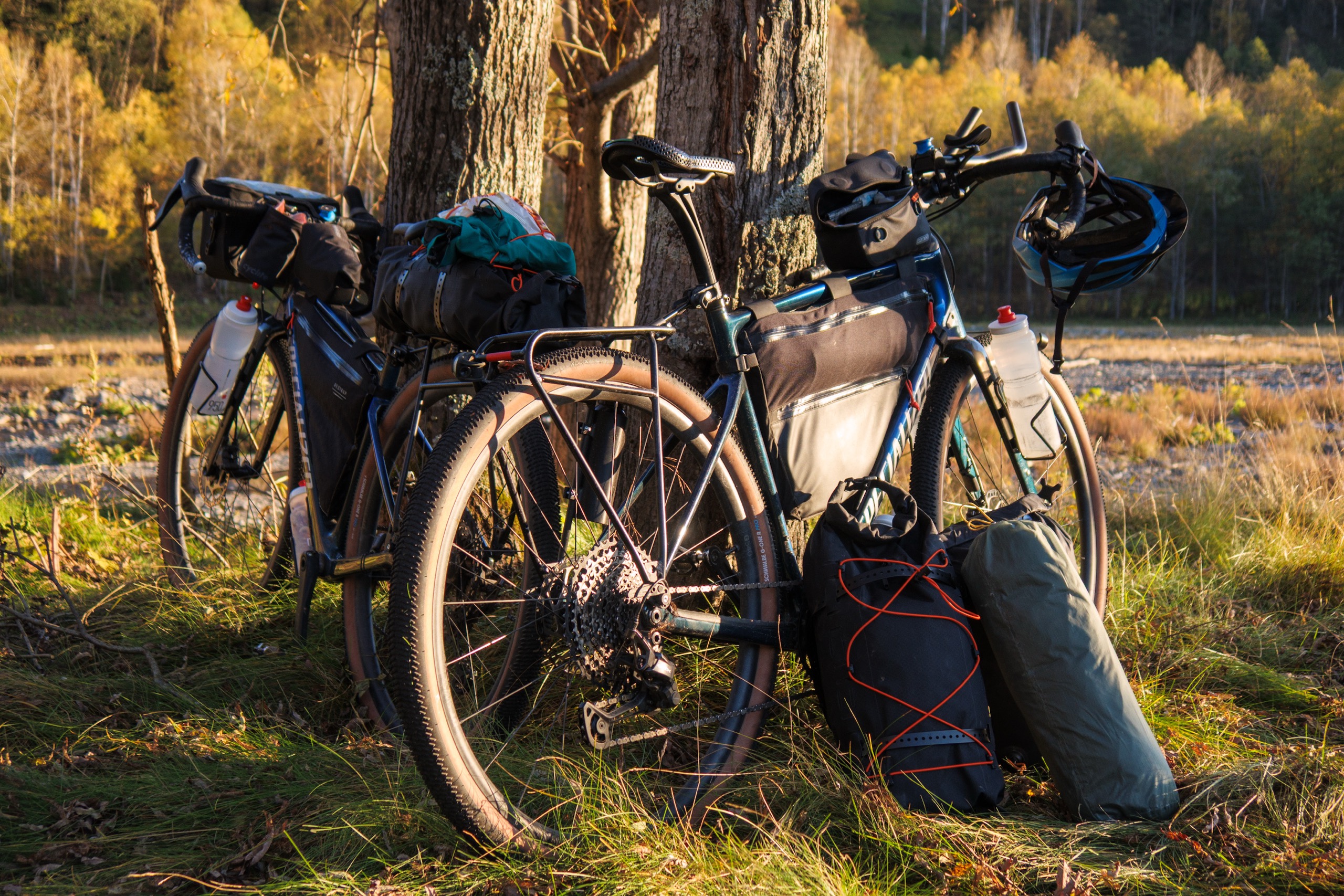
Now, we are not crows. We travel by bicycle, so getting from the place with The View to the place with the picnic tables means covering something like 360 km and eating about 15 meals along the way. So naturally, we are not always in sync with the one experience a particular place seems to have been designed for.
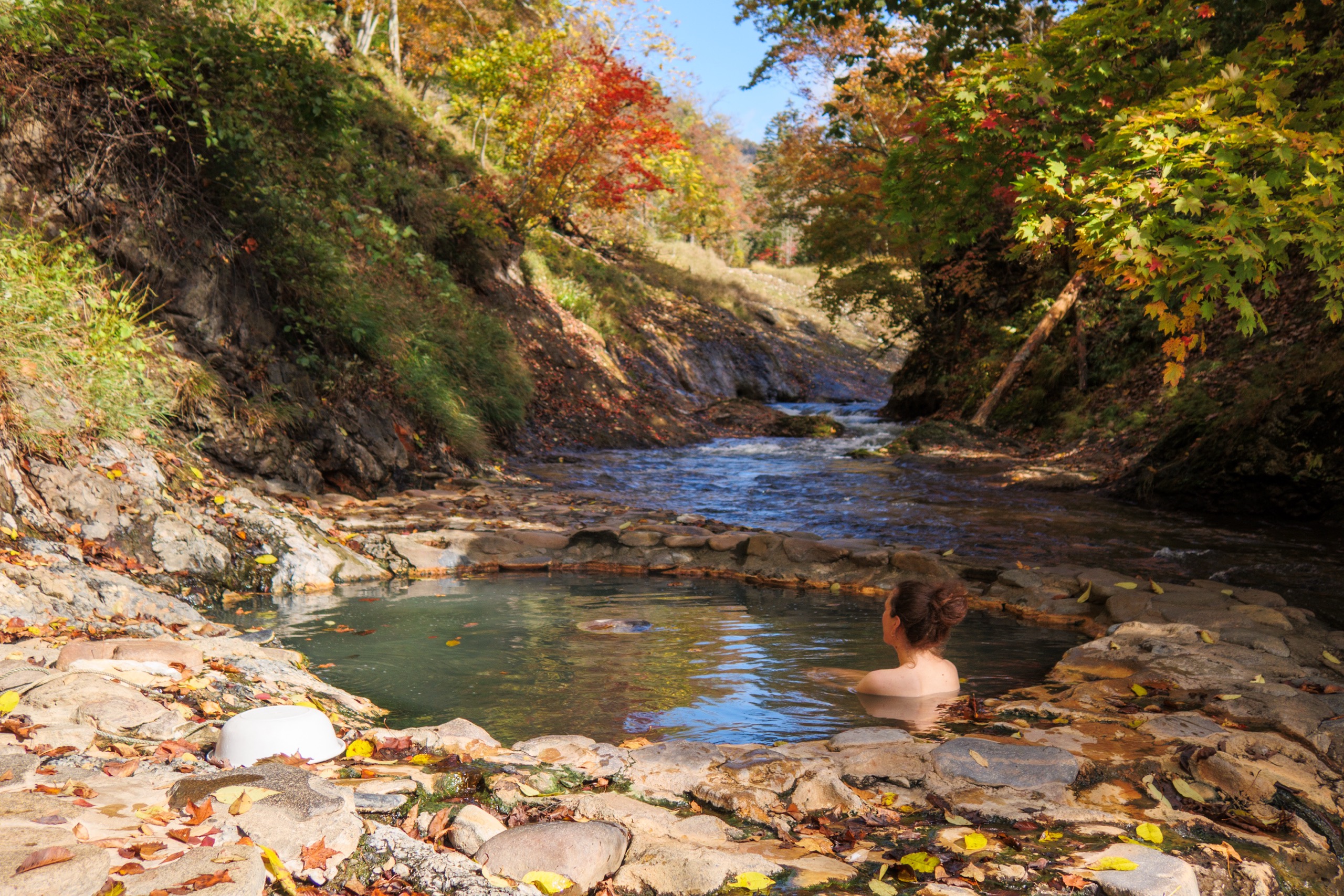
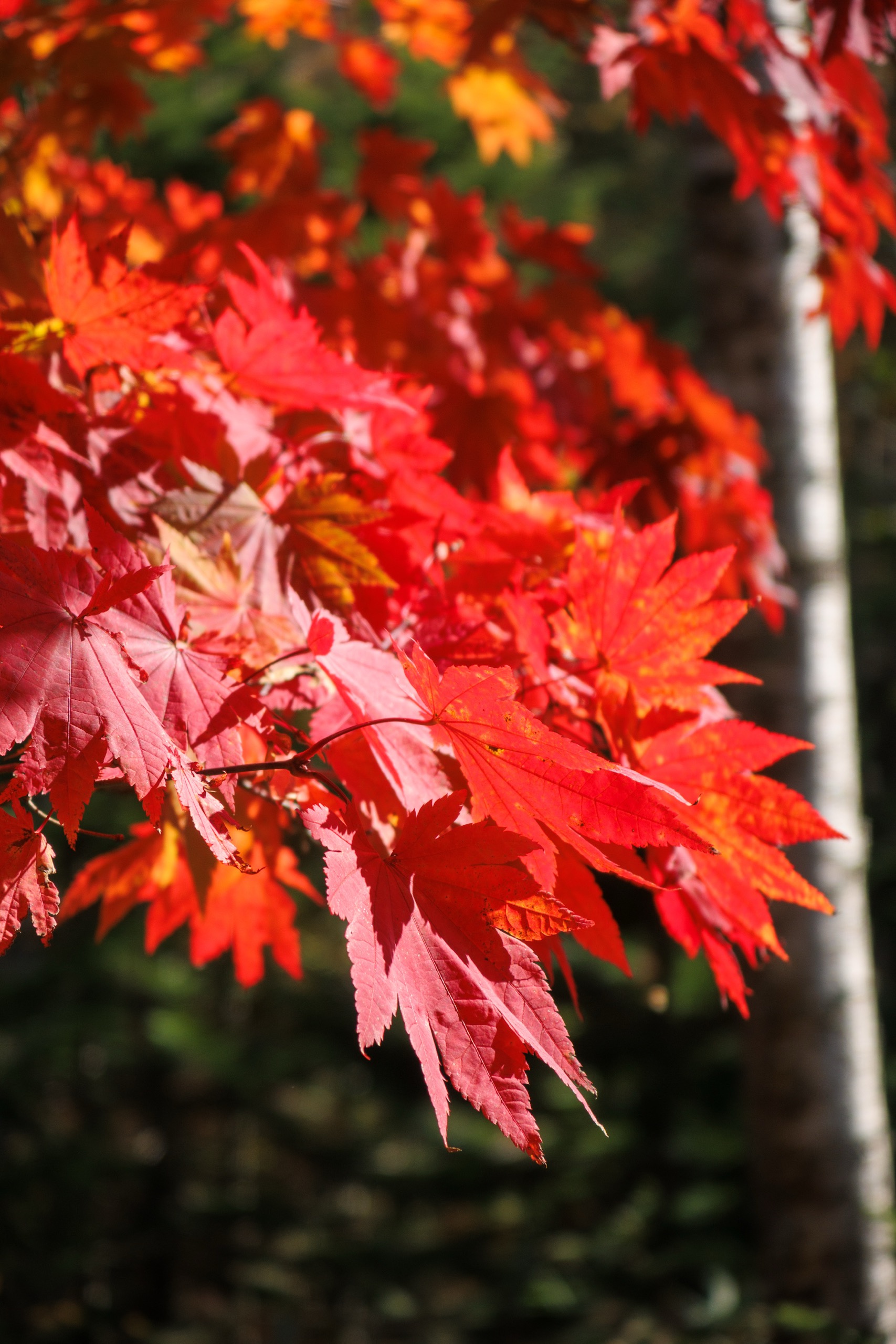
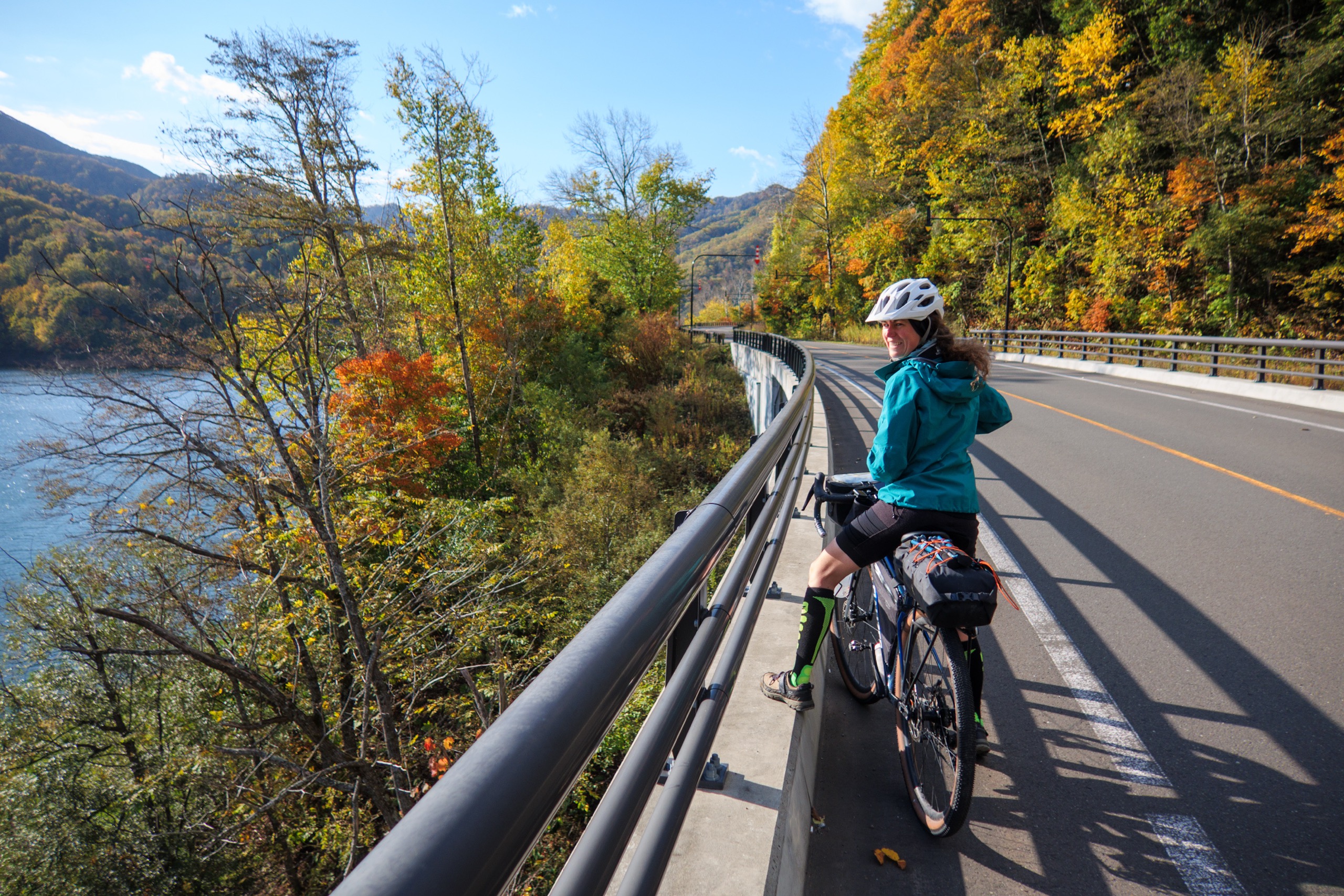
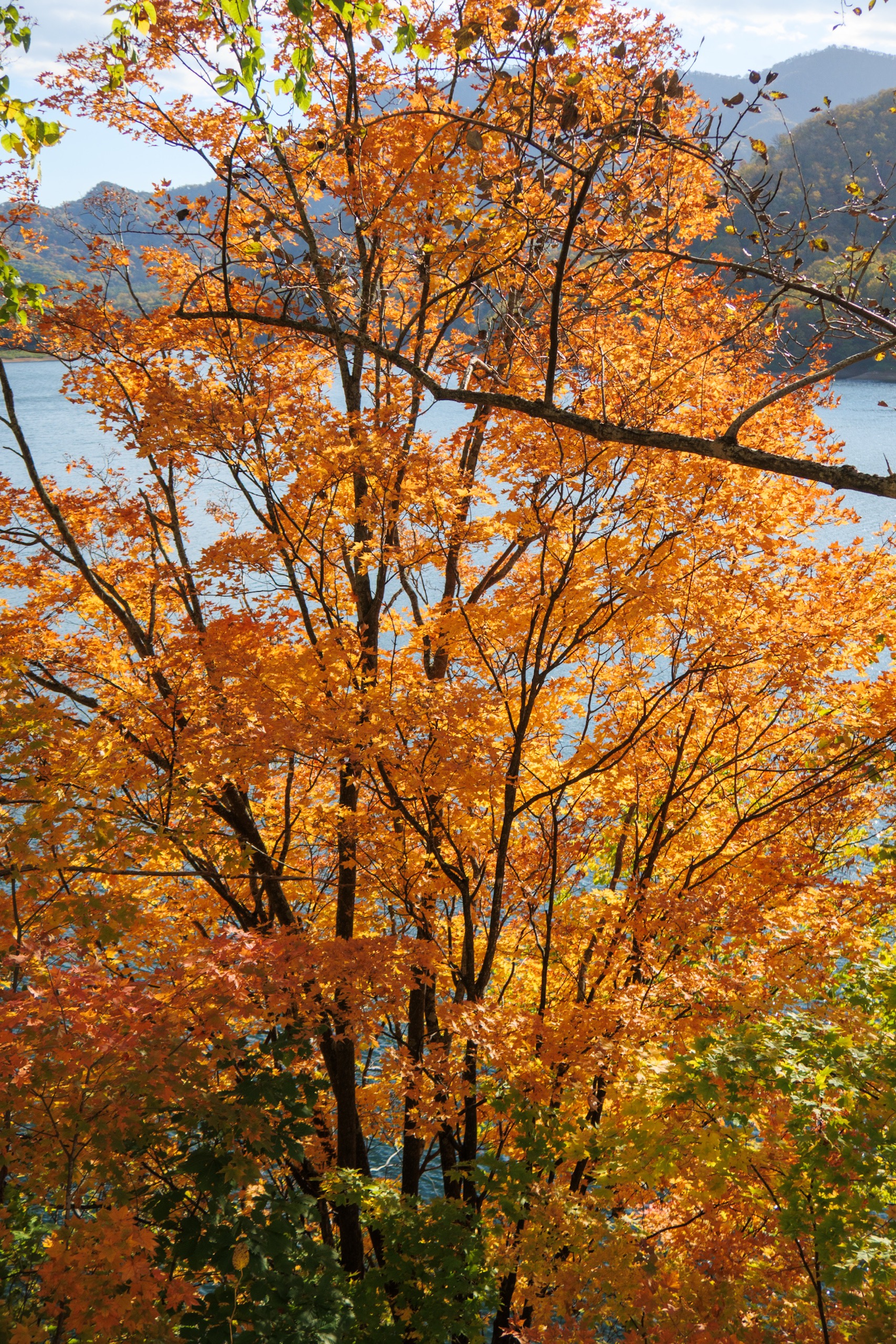
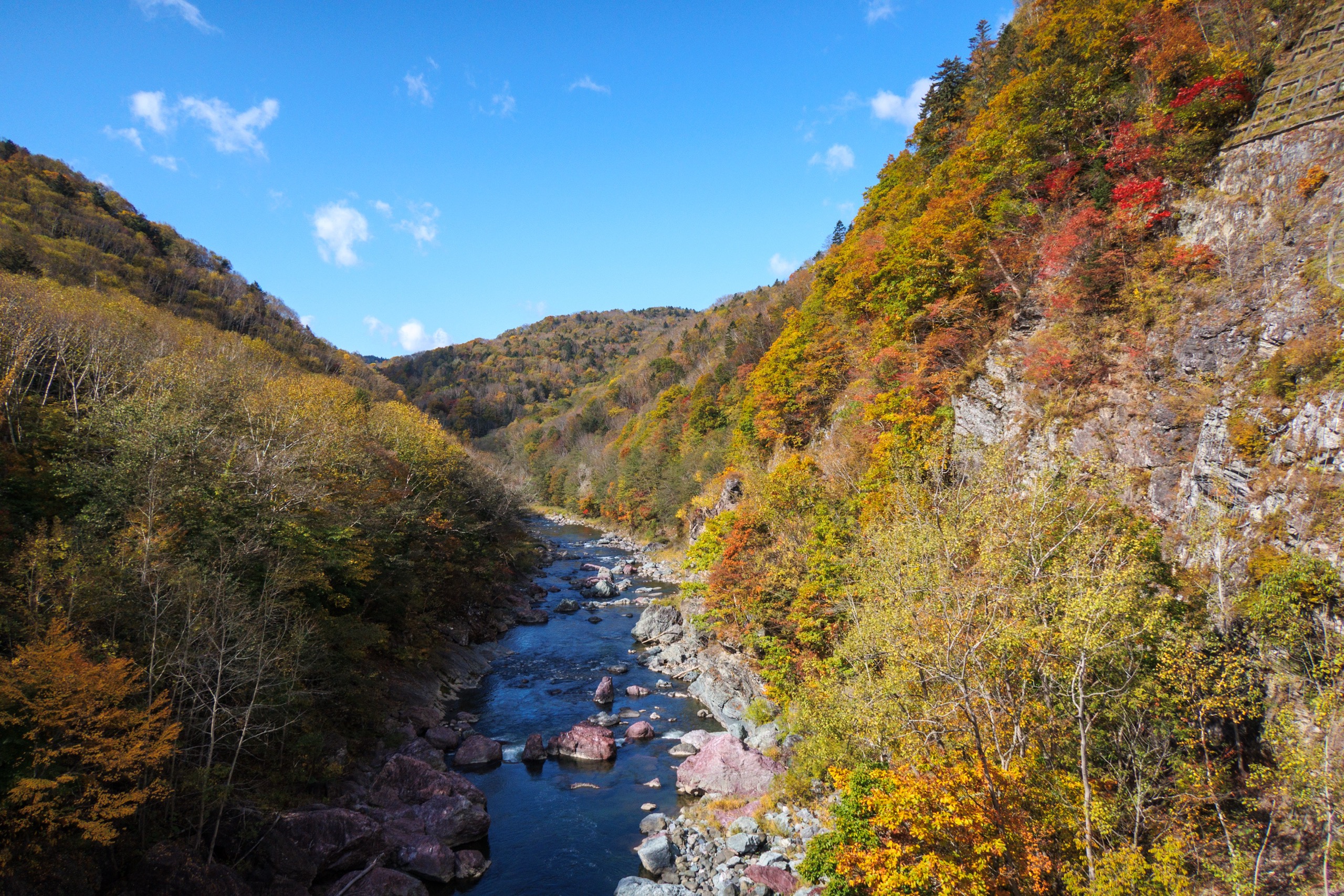
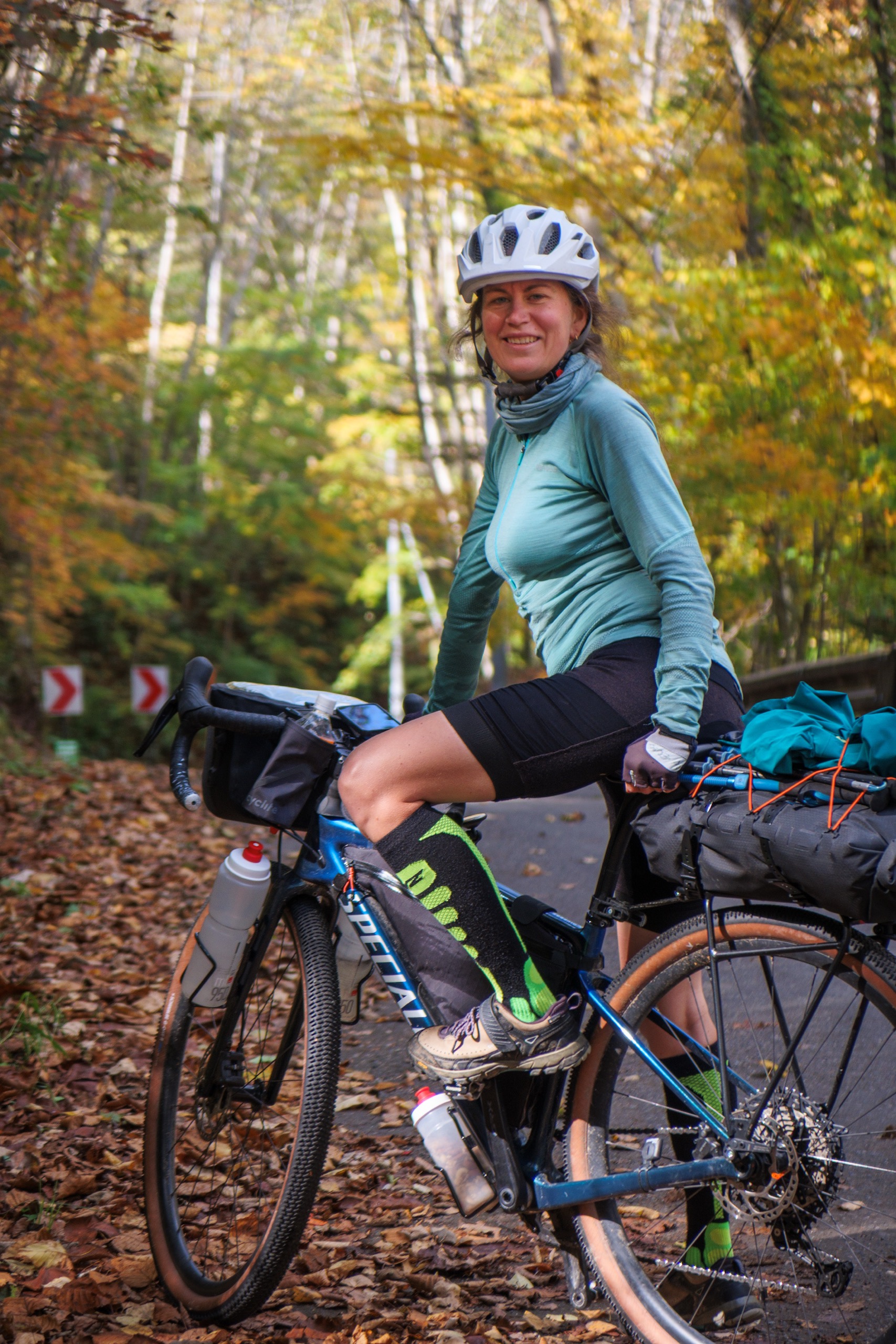
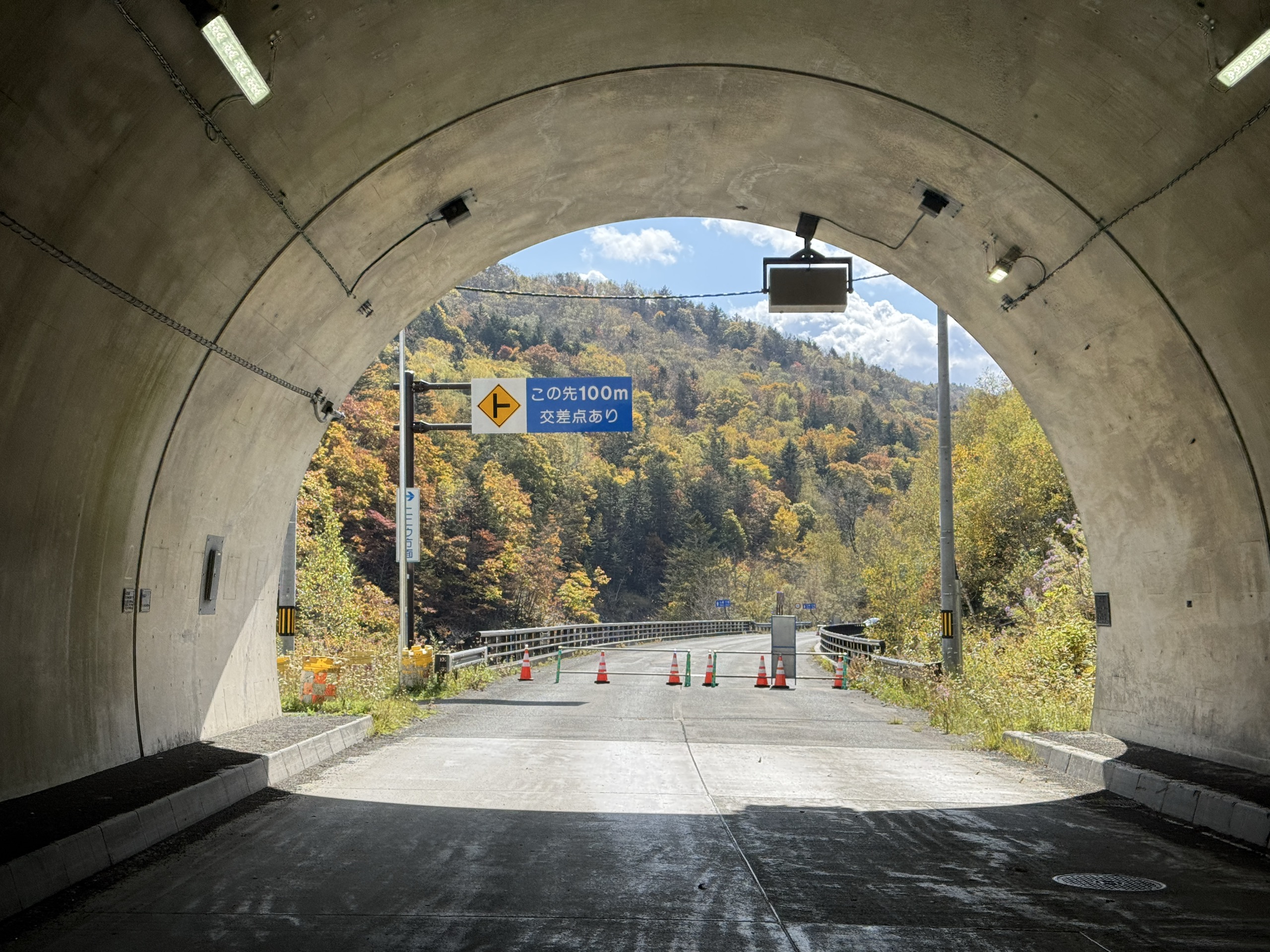
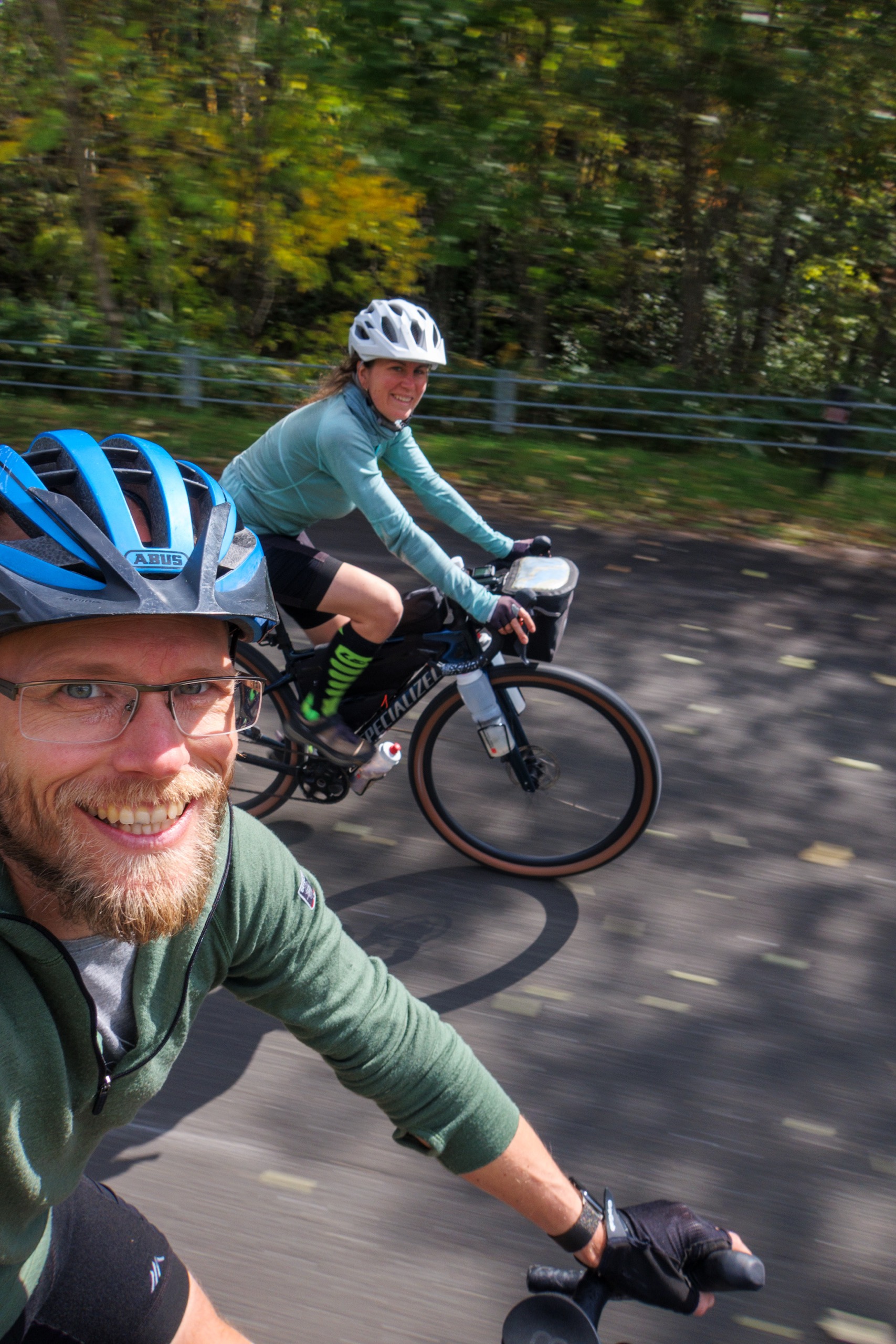
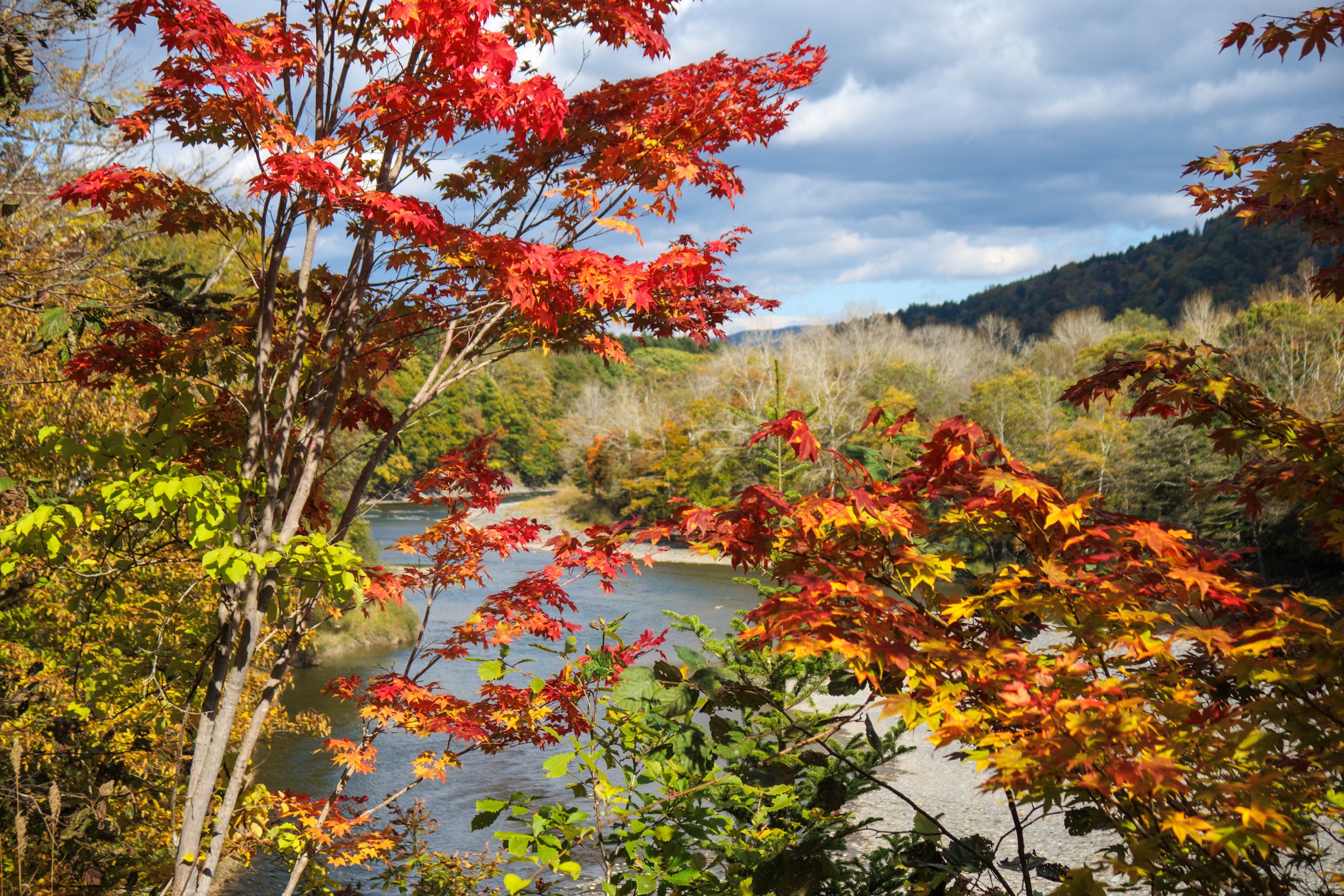
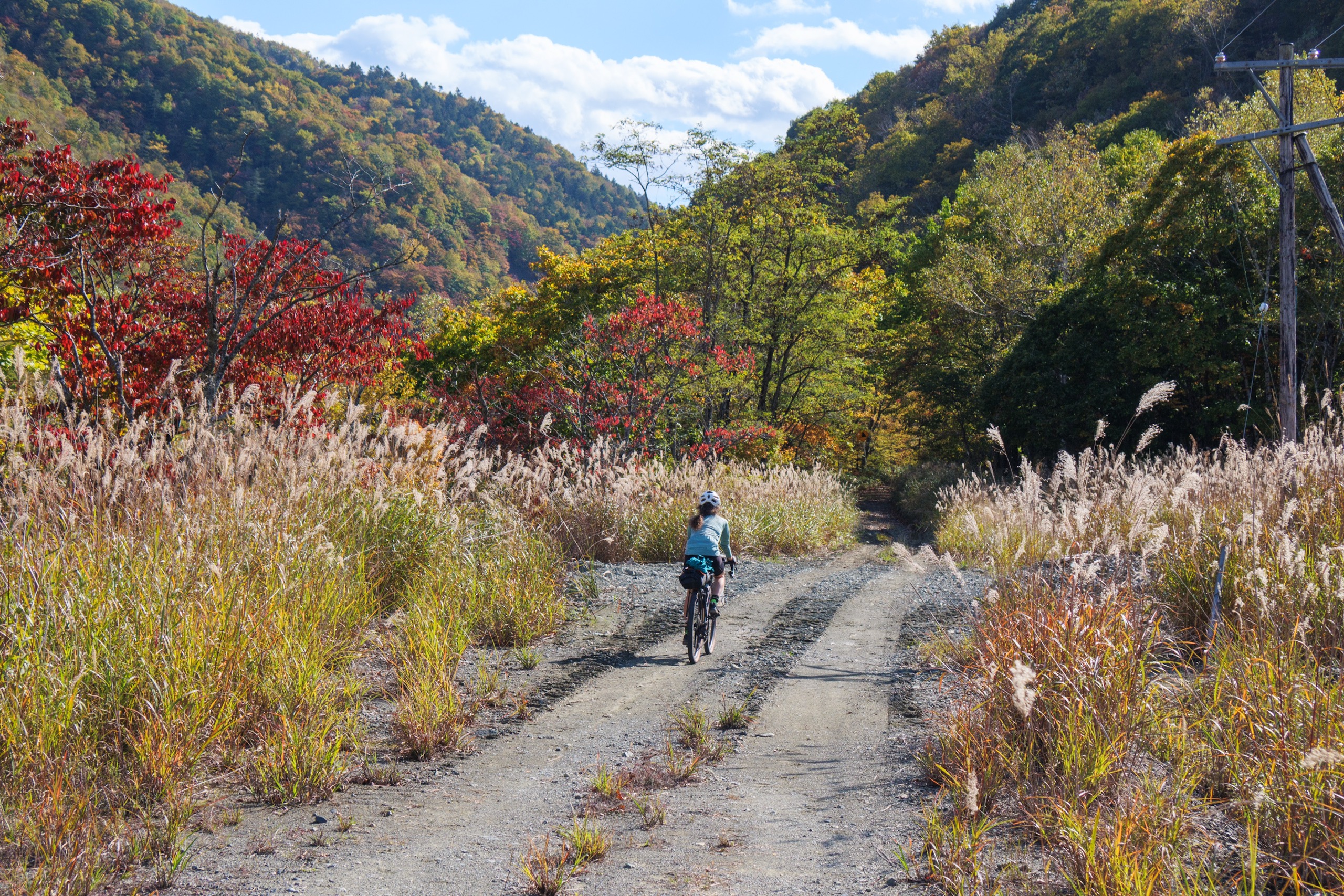
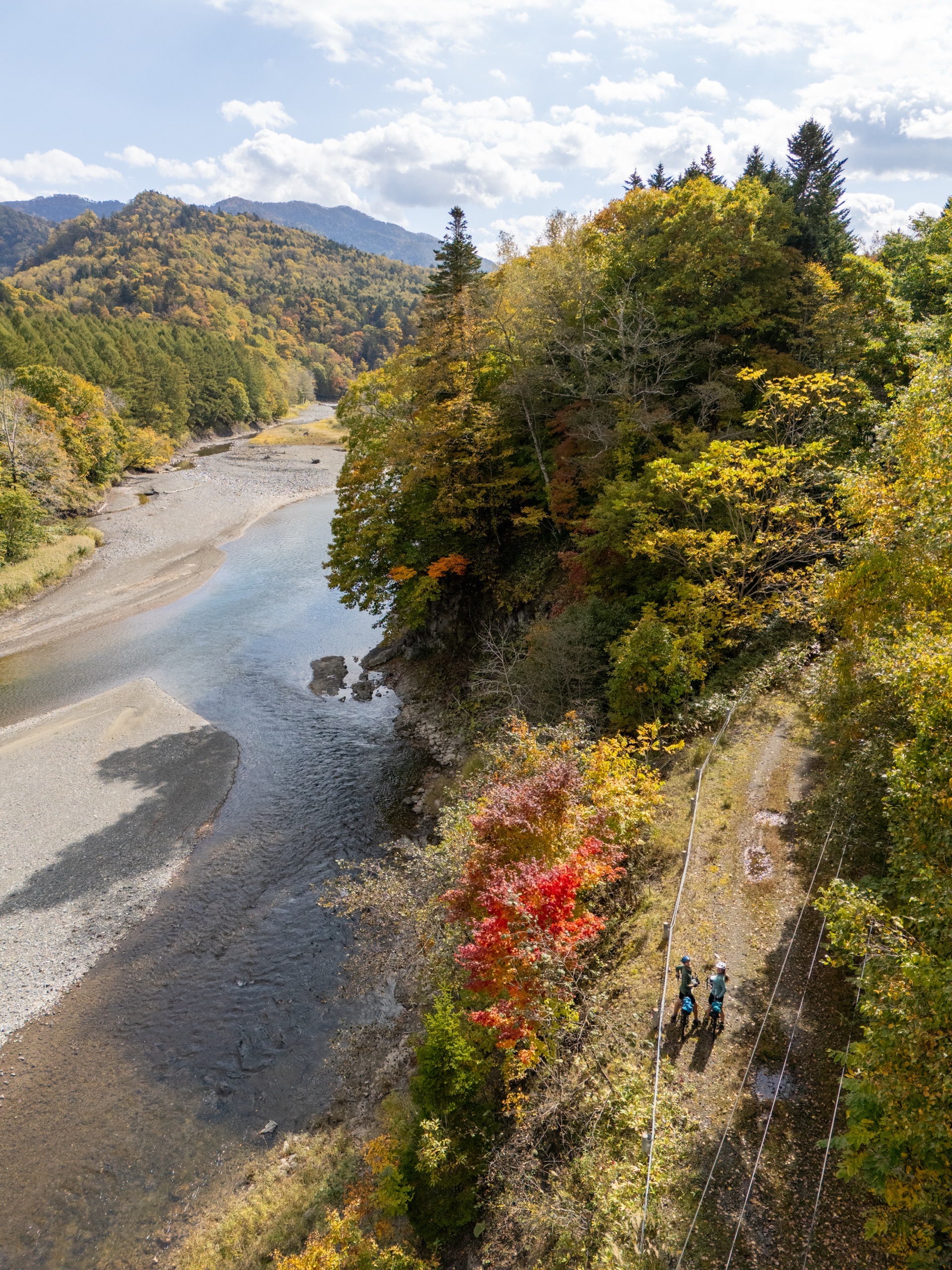
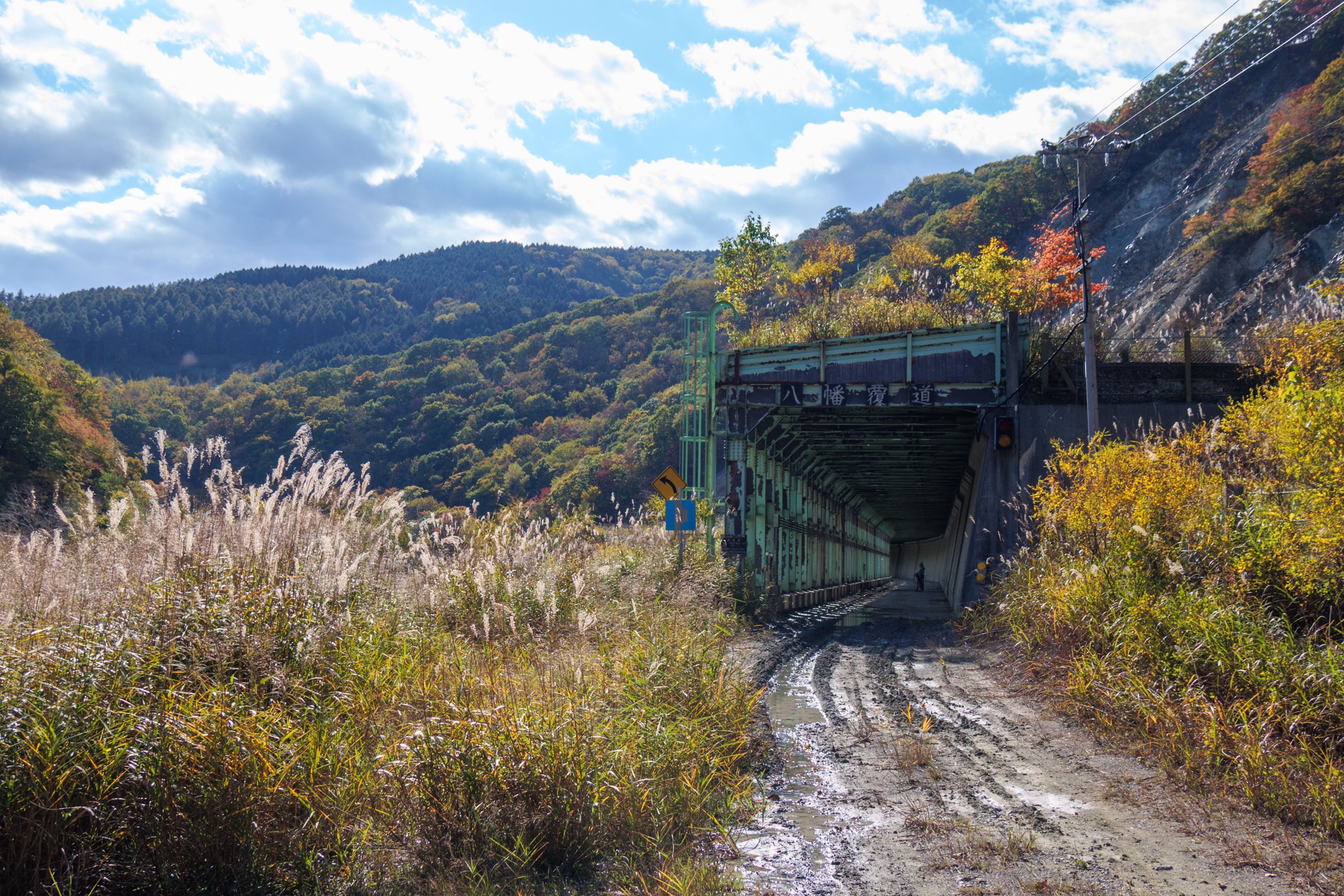
But when things do sync up, when what I want happens to be exactly what a place offers, I am in heaven. Like when I feel dirty after a day of cycling and a night at a closed campground, and a beautiful onsen by a lake appears. Or when I’m hungry and a cute little one-woman restaurant serves awesome local food.
So whenever I felt limited or out of sync, I started asking myself, “What has been optimized here?” Appreciating the care and precision that went into making that particular experience possible, even if it wasn’t the one I had wanted right then, often helped me enjoy what was there rather than getting frustrated by what wasn’t.
Or maybe it was just the weather that improved. While I am perfectly happy standing in thick fog on top of a mountain I have just climbed, to appreciate The View, having a view does help.
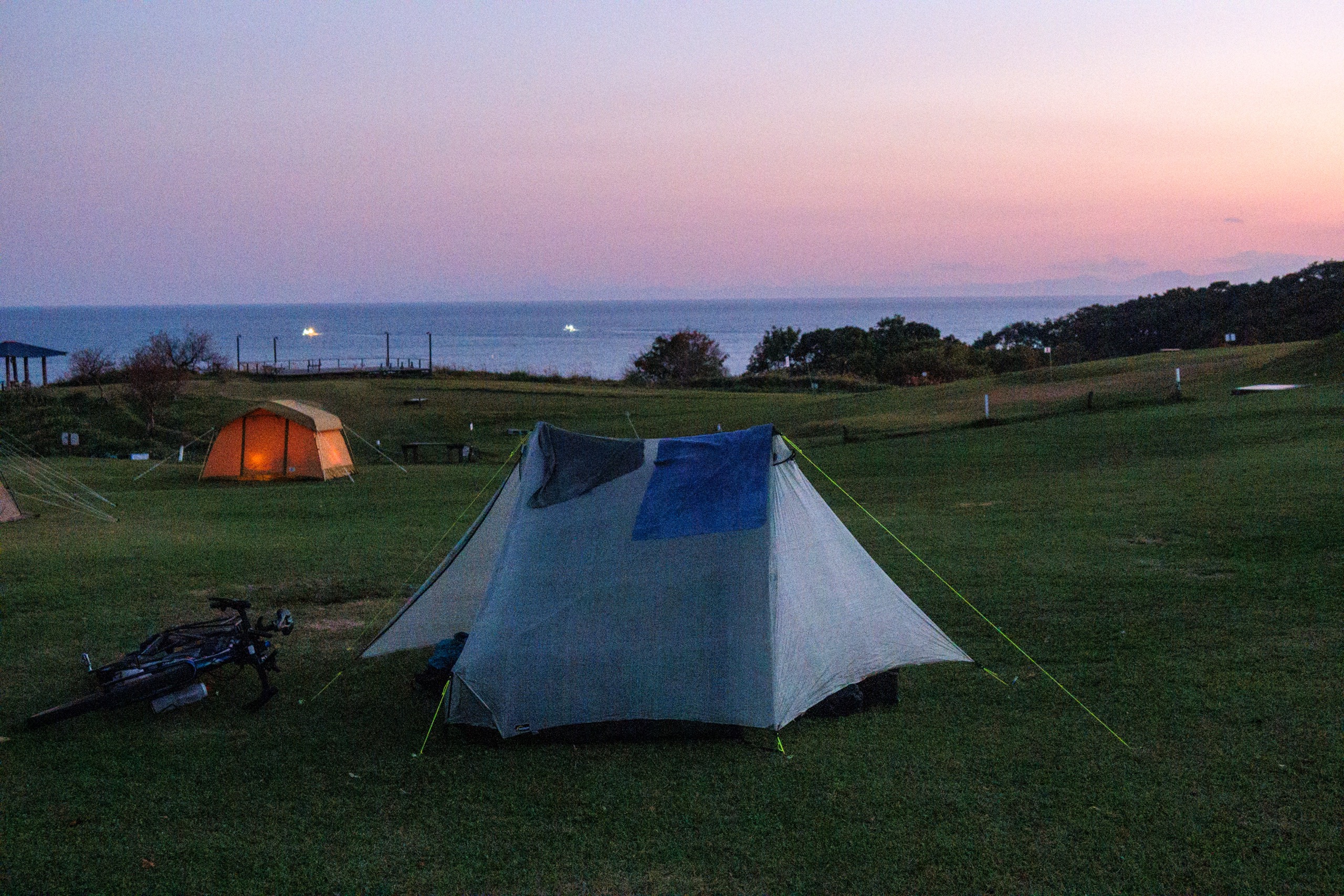
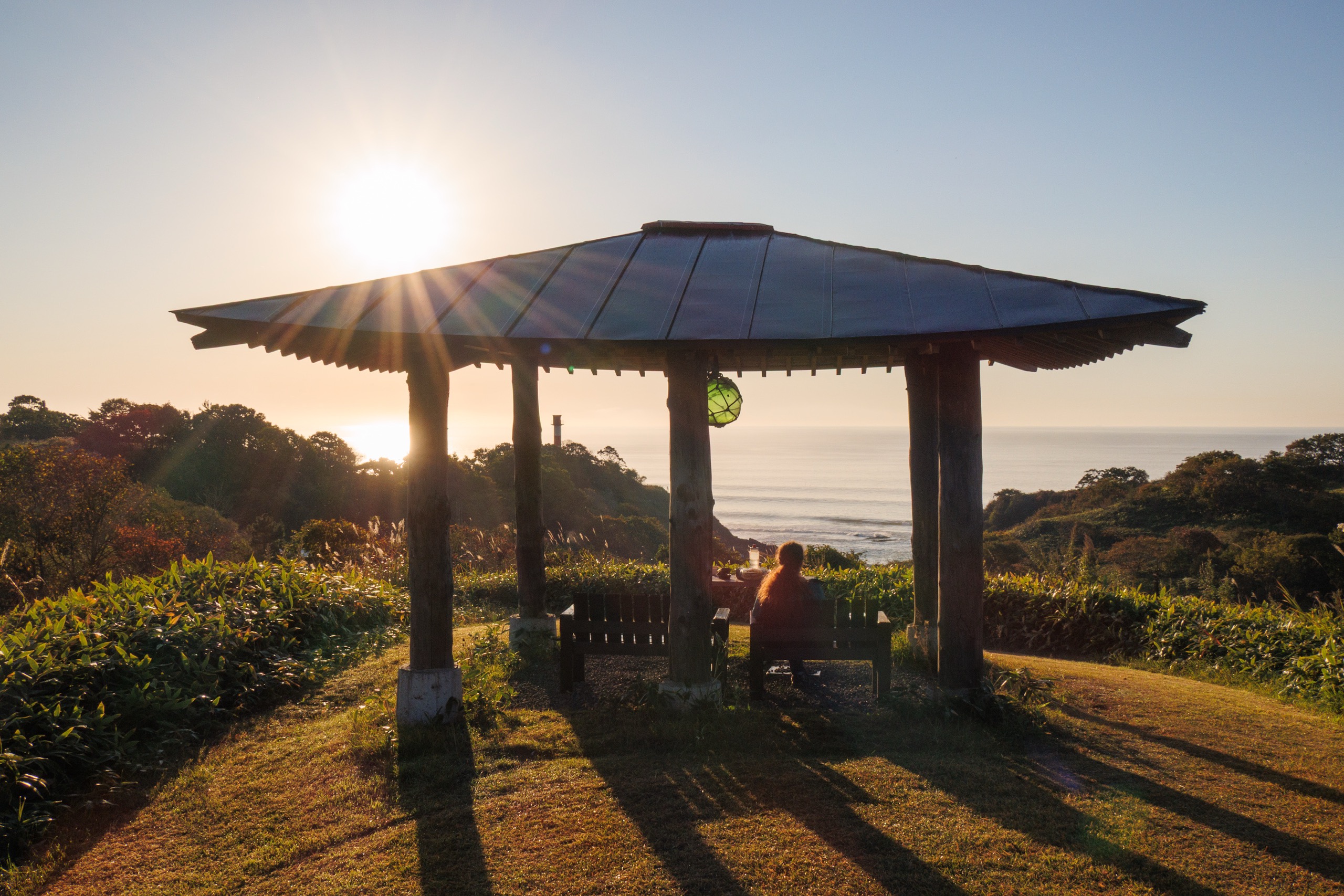
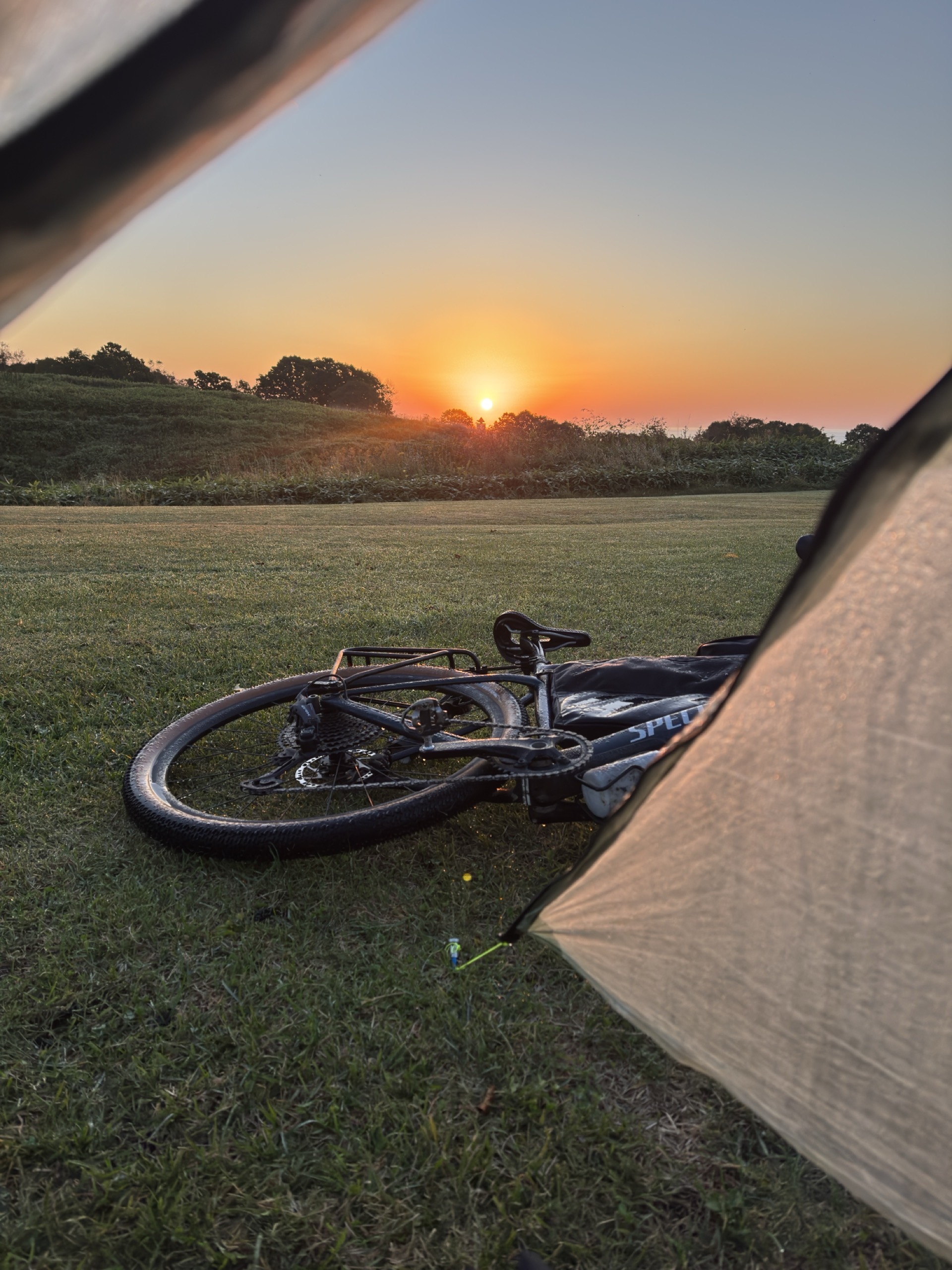
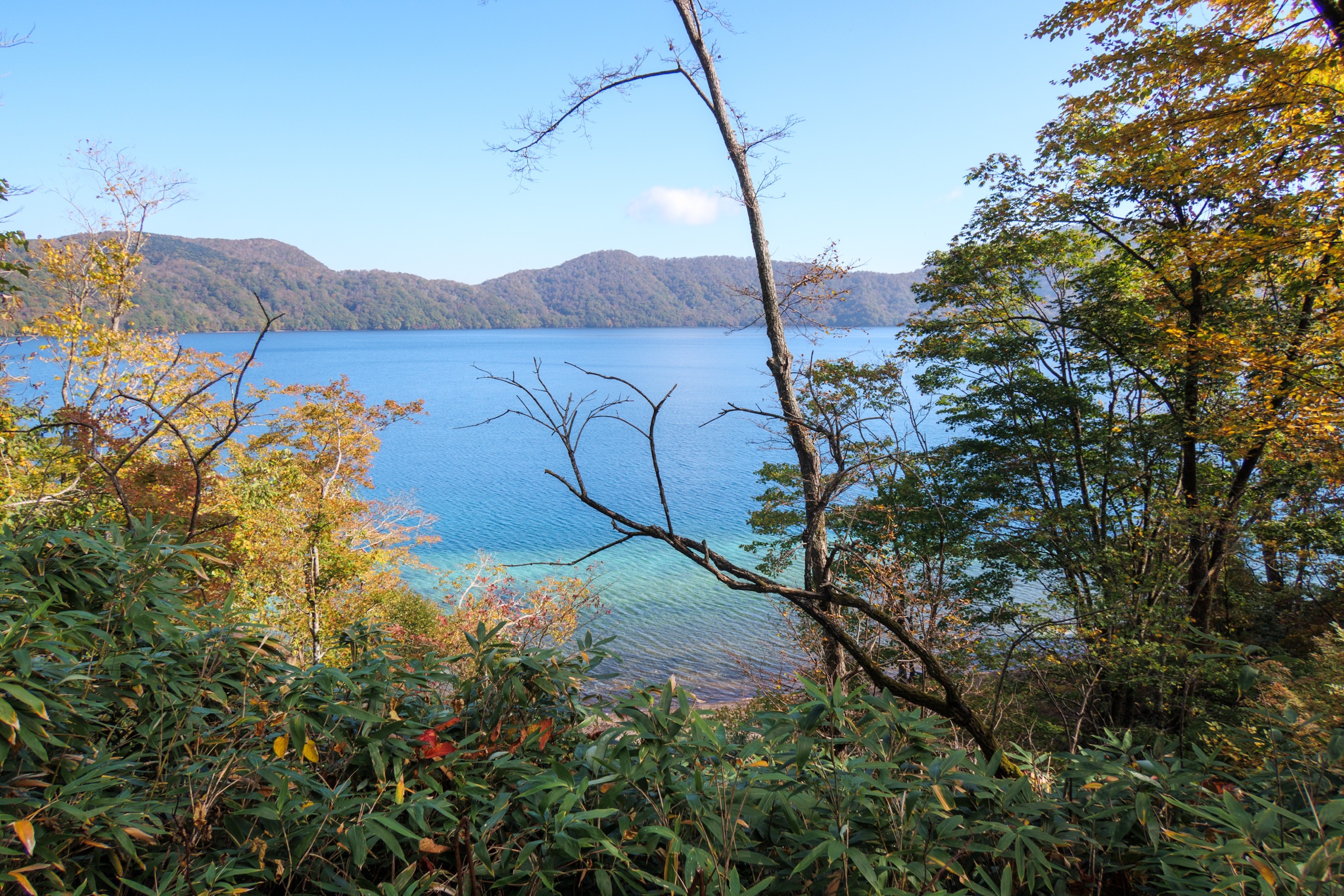
Anecdotes
Something else I initially struggled with was Japan’s kawaii culture, all these “cute” little characters everywhere, often in the most unexpected places. Then, I read that something doesn’t necessarily have to look serious to serve a serious purpose:
A Japanese manufacturer may obsess over the exact resistance of a mechanical pencil, how the clip flexes, or the tactile feedback of a click. And then put a smiling bear on it. Apparently, the two don’t necessarily undermine each other. The engineering is about the integrity of the object itself, the bear about your relationship with it.
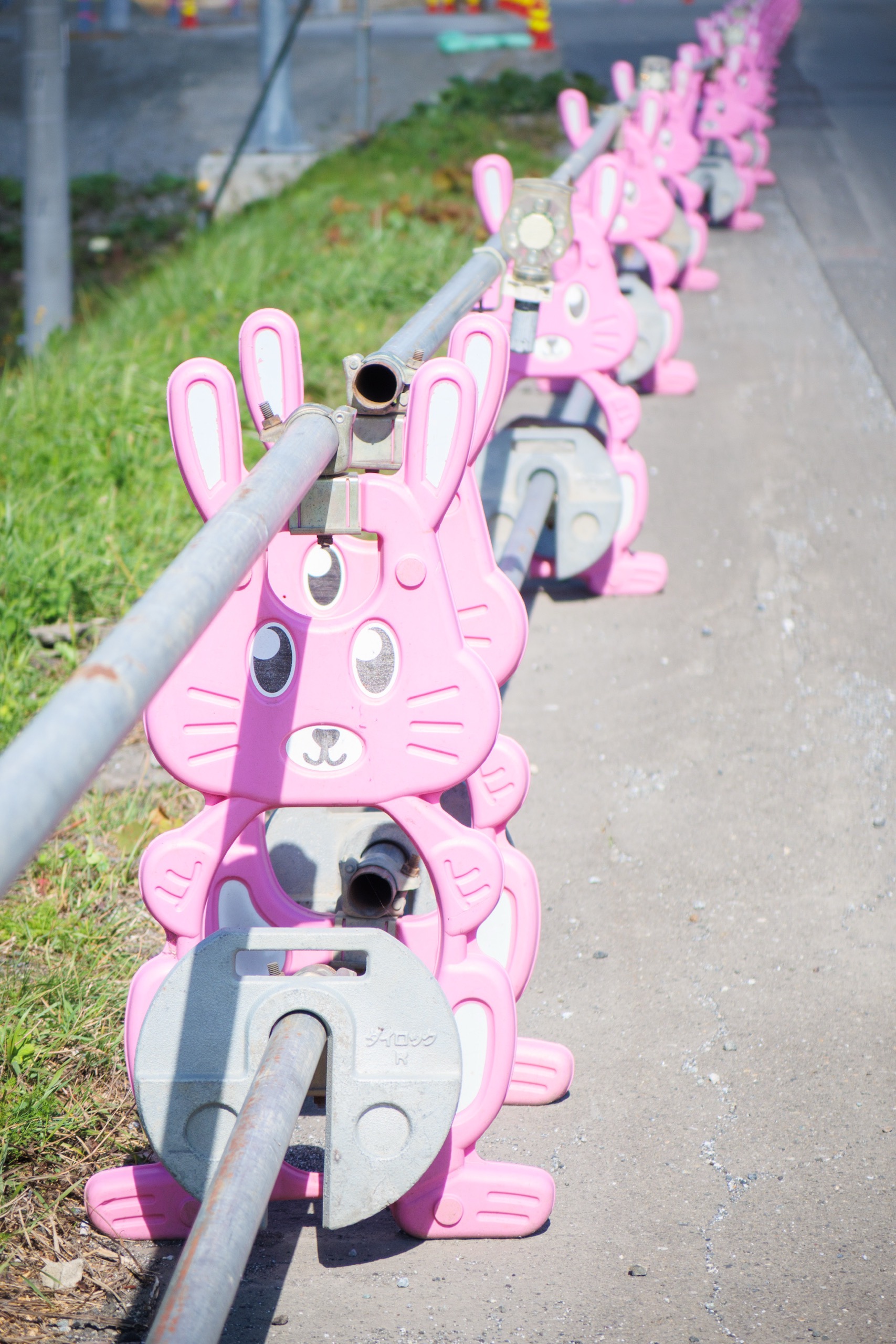
Thus, a construction site barrier can take the form of a pink bunny, making something rather uninviting look friendly and approachable. Whether or not that’s what the designers actually intended, it gave me another way of looking at things and became a running joke between Thomas and me. Whenever we come across another particularly absurd example of cuteness, I point at it and exclaim, “Lueg, how approachable!”
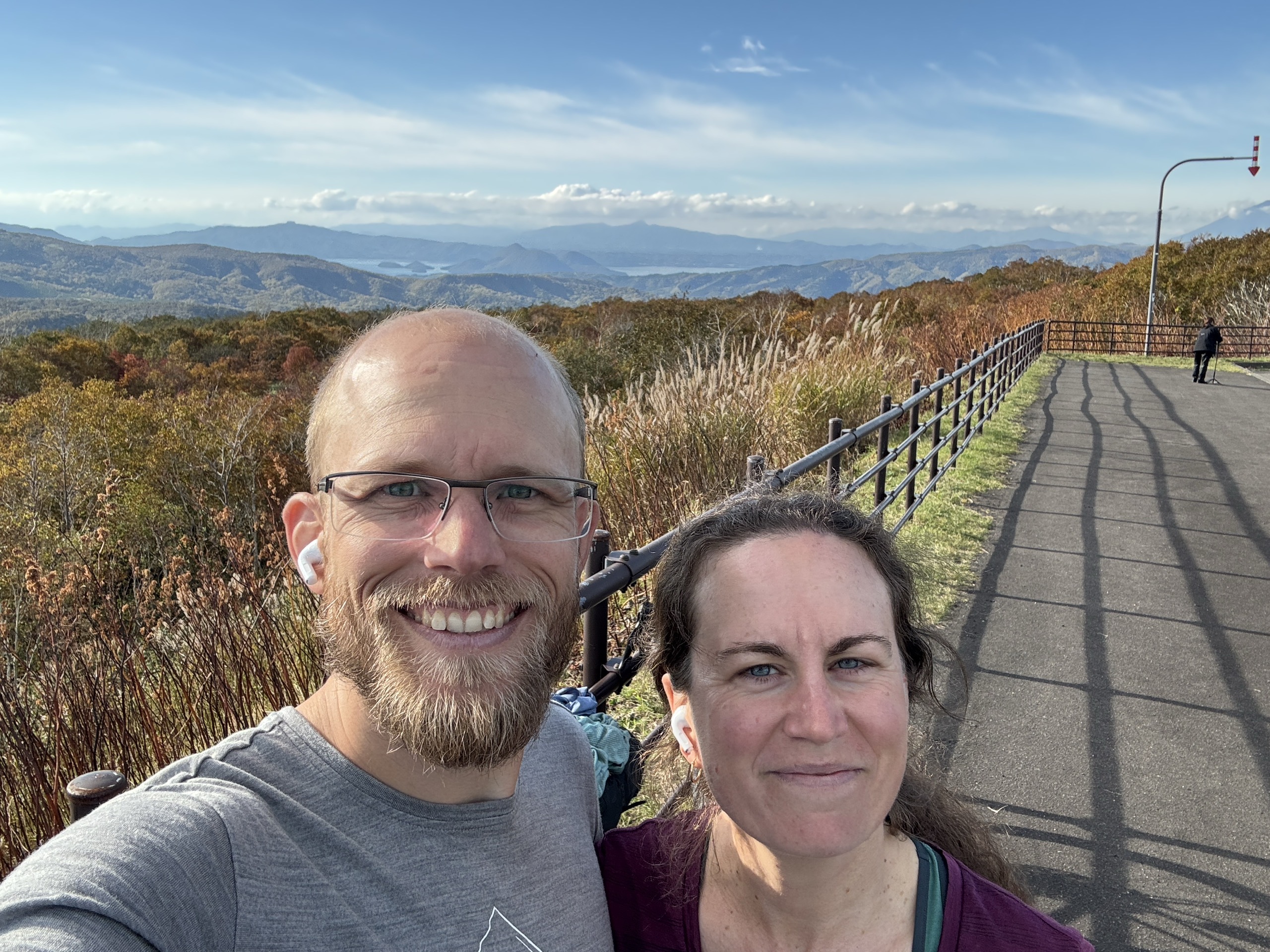
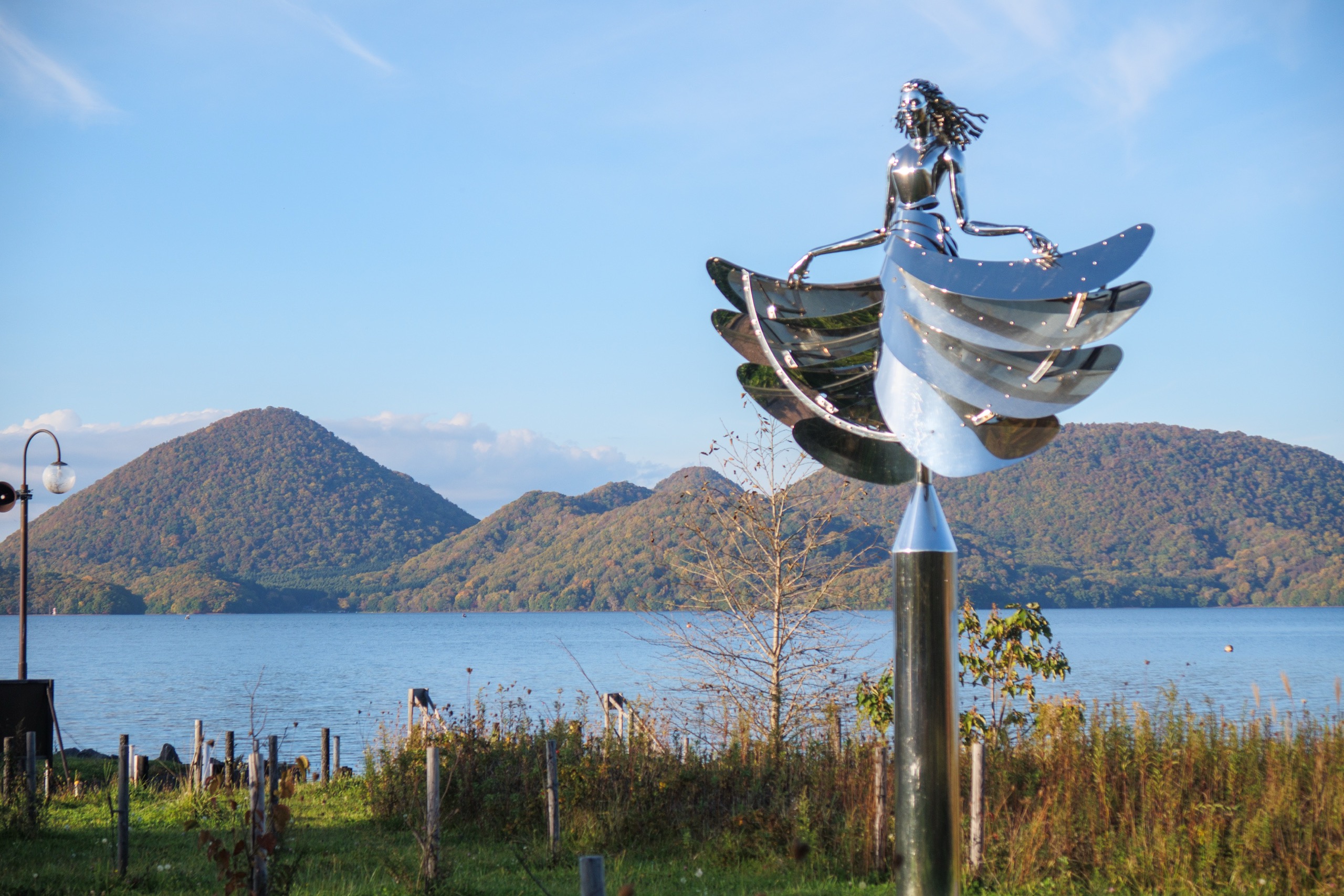
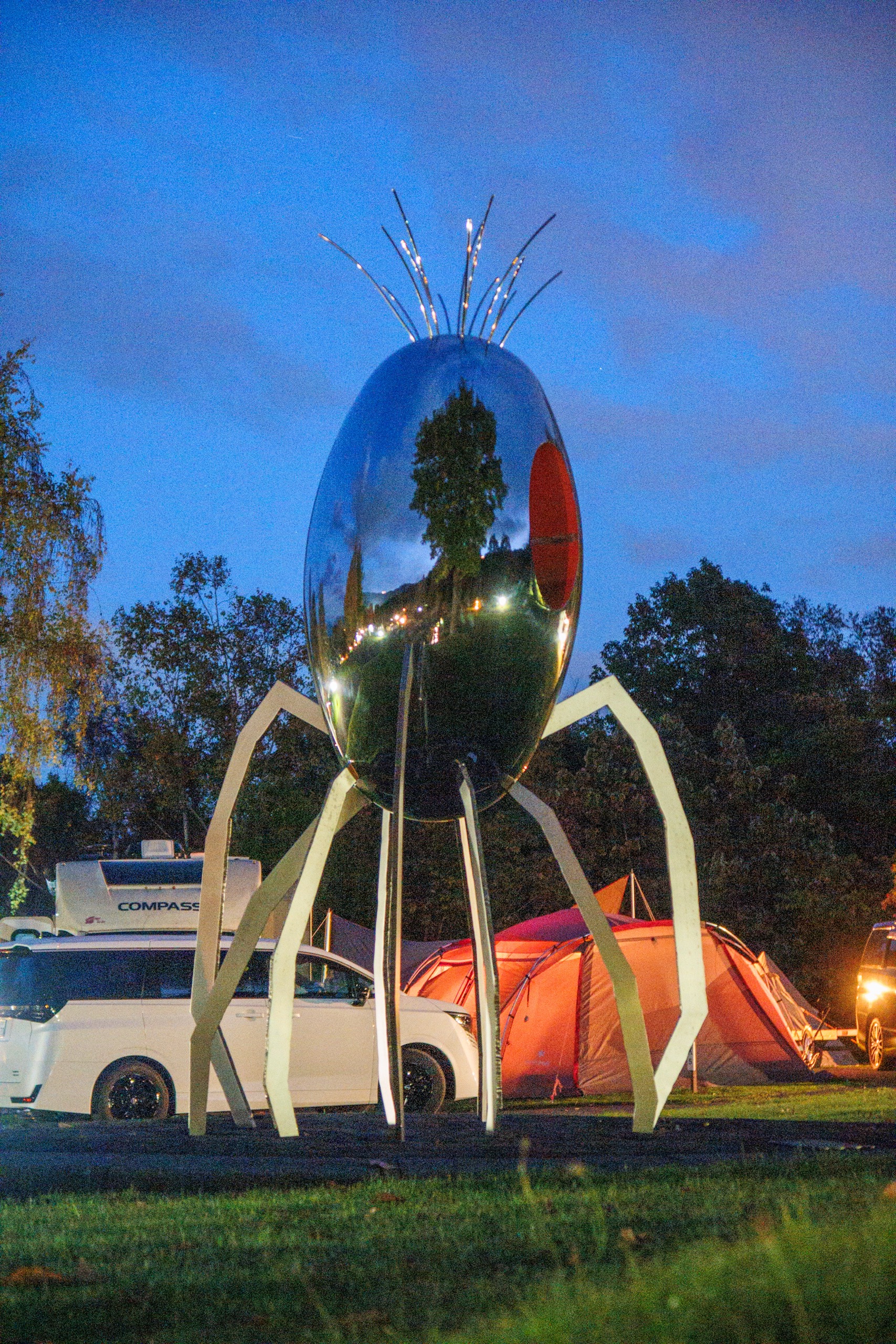
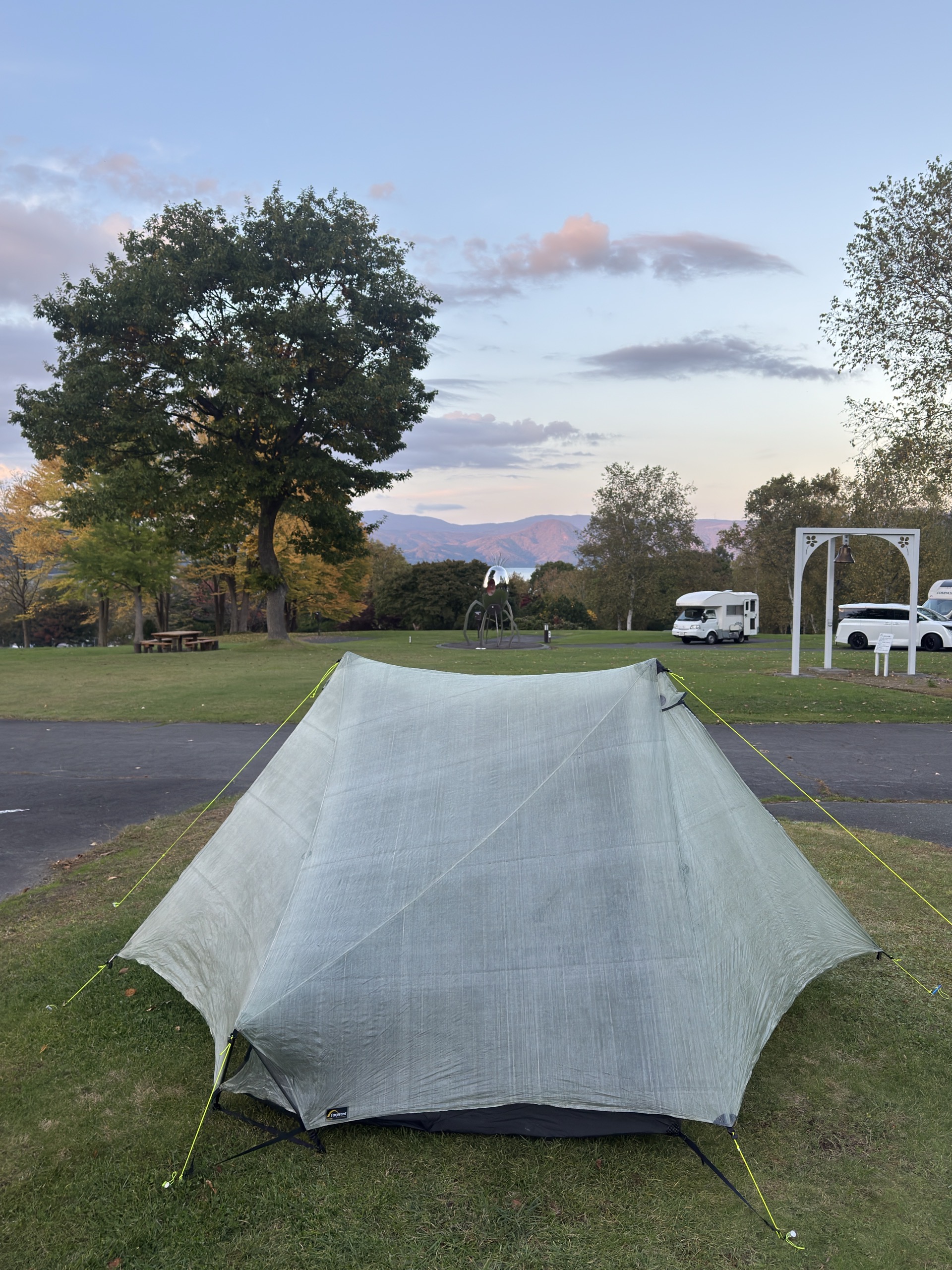
“No trash after eating!” says the person behind the counter at the convenience store in a firm voice while we buy our lunch.
There are seemingly no trash bins on Hokkaido. Which sounds okay at first, but turns out to be a huge hassle when cycling through it on gravel bikes with very little storage space, and a hotel room with a tiny trash bin only every few days.
People are very serious about taking your trash “home.” So much so that at some campgrounds, only visitors who don’t live in Japan are allowed to buy a trash bag and leave it there. Residents are expected to take their trash home, even if they’re still in the middle of a long journey. Once I was almost shouted at because I dared to dispose of the ticket to a tourist attraction together with the cup of hot chocolate I had bought in the shop belonging to that same attraction. The cup was okay, but the ticket? Absolutely not. That one I had to take “home.”
At the same time, I have never purchased as much packaging as here. Everything comes wrapped in several layers of plastic, and every individual cookie seems to need its own little enclosure. Even the tiniest snack produces an impressive amount of waste.
So much trash and nowhere to go with it!
So trash became both a constant annoyance and a source of irony. And in the south of Hokkaido, suddenly a major attraction, when we discovered our first public trash bin!
Leave a Reply